
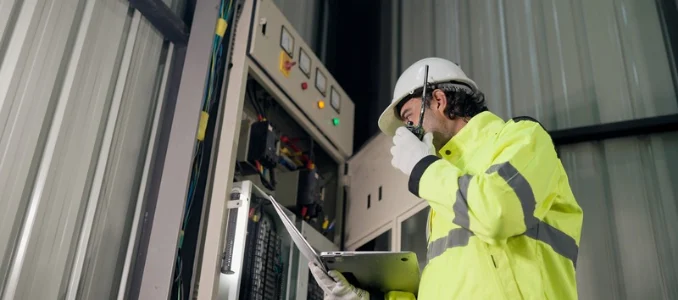

Modernizing the Electrical Landscape: The 2026 NEC Adoption
The adoption of the 2026 National Electrical Code (NFPA 70) marks a critical milestone for Washington’s construction, industrial, and institutional sectors. Effective December 31, the state will sunset the 2023 edition of the code in favor of the updated 2026 standards. This transition is not merely administrative; it reflects the rapid evolution of electrical technologies, the integration of renewable energy sources, and the ongoing need to mitigate risks associated with electrical fires and workplace accidents.
The National Electrical Code serves as the benchmark for safe electrical design, installation, and inspection. By adopting the 2026 edition, Washington is aligning its regulatory framework with the most current industry research conducted by the National Fire Protection Association. Key areas of focus in the 2026 update include enhanced ground-fault circuit interrupter (GFCI) requirements, updated safety protocols for electric vehicle charging infrastructure, and more stringent standards for energy storage systems.

For contractors and facility managers, the shift necessitates a comprehensive review of current project pipelines. Projects permitted after the December 31 deadline must adhere strictly to the 2026 code. This requires not only updated design plans but also retraining for electrical personnel to ensure compliance with new installation techniques and safety verification procedures. L&I inspectors are expected to prioritize the education of the contracting community during the first quarter of 2027 to ensure a seamless transition, though non-compliance following the enforcement grace period will be subject to standard regulatory penalties.
Expanding Pregnancy Accommodation Rights
While the electrical code updates target infrastructure, the amendments to the state’s pregnancy-related accommodation law represent a seismic shift in labor relations. Beginning January 1, 2027, the law—which was previously limited to businesses with 15 or more employees—will extend to all employers regardless of size. This change effectively eliminates the "small business exemption," ensuring that every worker in the state, from those at major corporations to those at micro-enterprises, possesses the same legal protections regarding pregnancy, childbirth, and related medical conditions.

The expansion of this law is designed to codify the rights of pregnant employees to receive "reasonable accommodations." Under the updated statutes, these accommodations may include, but are not limited to, more frequent restroom breaks, modified lifting requirements, and temporary reassignment to less strenuous positions. The inclusion of all businesses recognizes the changing demographics of the Washington workforce and the state’s commitment to preventing employment discrimination based on pregnancy.
Institutional Oversight and Enforcement Shifts
A major structural change accompanying the pregnancy accommodation expansion is the transfer of enforcement authority. Previously, the state attorney general’s Civil Rights Division held the primary responsibility for oversight. Moving forward, the Department of Labor & Industries will assume the role of the primary enforcement agency. This shift is intended to streamline the grievance process, allowing employees to report violations through the same agency that manages other workplace labor standards.

The revised law also introduces granular requirements regarding the expression of breast milk. It mandates that employers provide specific, paid break times and accommodate the time required for cleaning equipment and traveling to private, sanitary spaces. This level of detail represents a move toward greater transparency in labor standards, reducing the ambiguity that often leads to workplace disputes.
To balance these stringent requirements, the legislation includes a "good-faith" mandate. Before the Department of Labor & Industries can issue a formal citation or an enforcement order, the agency is legally required to initiate contact with the employer. This period is intended for the two parties to engage in a collaborative dialogue to reach a mutually agreeable solution regarding interim or reasonable accommodations. This requirement serves as a buffer, intended to resolve disputes at the lowest possible level before resorting to litigation or punitive measures.

Historical Context and Regulatory Trajectory
The current regulatory climate in Washington is reflective of a multi-year trend toward strengthening worker protections. The transition from the 2023 NEC to the 2026 edition follows a consistent, three-year adoption cycle that has historically kept the state at the forefront of electrical safety. However, the expansion of pregnancy protections is part of a more recent, broader movement in state labor law.
For years, advocates for gender equity in the workplace have argued that small business exemptions created a "tiered" system of rights. By eliminating this threshold, Washington joins a growing number of states that prioritize universal standards over administrative convenience for smaller firms. Analysts suggest that while this will increase the administrative burden on small business owners, it will likely lead to higher employee retention rates and a more stable labor force, as workers will no longer be forced to choose between their health and their livelihood based on the size of their employer.

Data and Economic Implications
The economic impact of these regulations is expected to be multifaceted. On the construction front, the adoption of the 2026 NEC may lead to short-term increases in material and labor costs as contractors adapt to new technical requirements. Historically, updates to the NEC have resulted in a marginal uptick in initial installation costs, typically offset by long-term reductions in fire insurance premiums and decreased risk of catastrophic electrical failure.
Regarding the pregnancy accommodation law, the administrative costs associated with policy development and training for small businesses will be the most immediate factor. However, the state’s move to consolidate enforcement within L&I could potentially lower legal costs for businesses by providing a clearer, more consistent regulatory pathway than the previous system, which involved navigation through the attorney general’s office.

Future Outlook: The Wage Payment Act
The regulatory activity does not stop with electrical and pregnancy laws. The Department of Labor & Industries has also signaled a preliminary rulemaking phase concerning the Wage Payment Act. This initiative aims to refine how the state enforces wage theft laws and manages the administration of the Wage Recovery Fund. By addressing these issues, the state is continuing its aggressive posture toward ensuring that labor standards are not only written into law but are effectively enforced in practice.
As of late 2026, the business community is advised to monitor the L&I website for finalized guidance documents, particularly those concerning the new accommodation checklists. With the dual deadlines of December 31 for the electrical code and January 1 for the pregnancy accommodations, Washington employers are entering a busy transitional period that necessitates proactive compliance management and a thorough review of existing internal policies. Failure to align with these new standards could result not only in regulatory scrutiny but also in a loss of institutional trust, underscoring the importance of early and accurate implementation.