
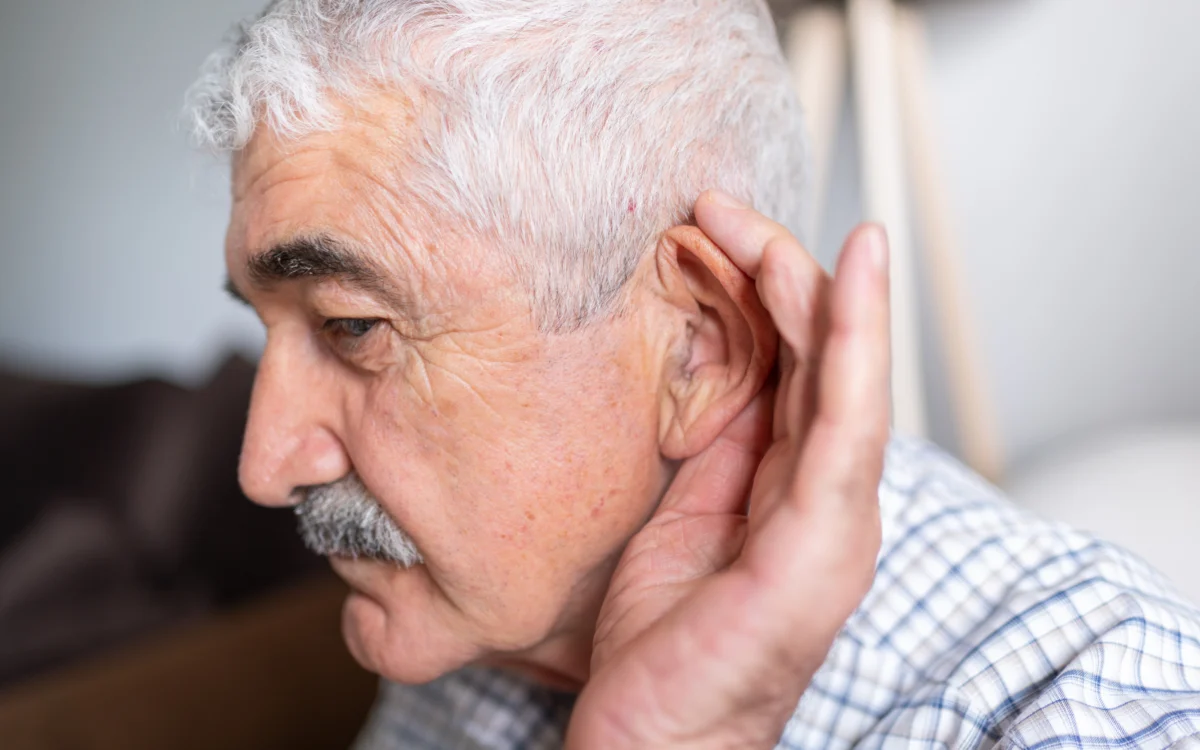
Understanding the Urgency: Why Sudden Hearing Loss Demands Immediate Action
The classification of sudden hearing loss as an emergency stems from its potential to be indicative of Sudden Sensorineural Hearing Loss (SSNHL). This condition, which impacts the inner ear or the auditory nerve, can lead to permanent hearing impairment if not addressed swiftly. While some instances of sudden hearing loss might be attributed to more benign causes such as impacted earwax, fluid accumulation in the middle ear, or a localized ear infection, it is virtually impossible for an individual to self-diagnose the underlying cause based on symptoms alone. Therefore, a professional medical assessment is paramount.
The timeframe for effective intervention in SSNHL is remarkably narrow. In many countries, guidelines recommend that corticosteroids, the primary medical treatment, be administered within the first two weeks of symptom onset. For individuals whose hearing does not fully recover, further treatment options like intratympanic steroid injections may be considered within a specific window, typically two to six weeks post-symptom onset. As time progresses, the efficacy of these treatments diminishes, underscoring the critical importance of immediate medical consultation.
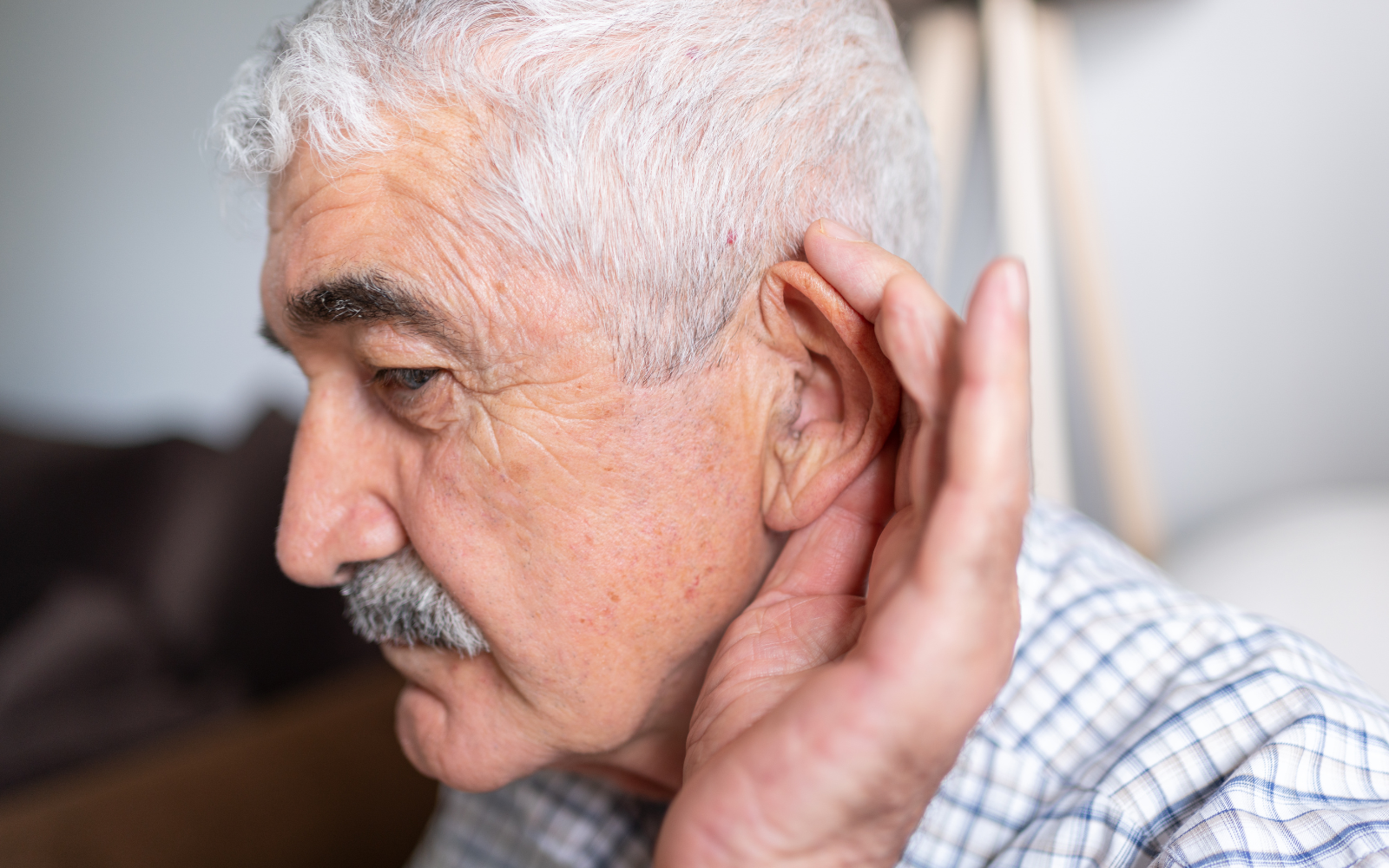
Recognizing the Symptoms: What to Look For
Sudden hearing loss does not always manifest as a complete and instantaneous absence of sound. The experience can vary significantly from person to person. Common presentations include:
- Muffled hearing: Sounds may seem less clear, as if heard through water or cotton.
- A feeling of fullness or blockage: The affected ear might feel plugged, similar to the sensation experienced during a head cold or at high altitudes.
- Reduced sound perception: A noticeable decrease in the ability to hear sounds, particularly in the affected ear.
- Tinnitus: A ringing, buzzing, or hissing sound in the ear, which can be constant or intermittent.
- Dizziness or Vertigo: A sensation of spinning or imbalance, especially if the inner ear is involved.
- Sudden deafness: In more severe cases, a complete loss of hearing in one or both ears can occur rapidly.
While a sensation of blockage might lead individuals to suspect common issues like earwax, it is crucial to remember that SSNHL can present with similar subjective feelings. This overlap in symptoms further emphasizes the need for professional diagnosis.
Immediate Steps: What to Do When Hearing Suddenly Declines
If you experience a sudden decline in hearing, the following actions are critical:
- Do Not Wait: Resist the urge to wait and see if the hearing loss resolves on its own. Time is of the essence.
- Contact an ENT Specialist: Immediately schedule an appointment with an otolaryngologist (ENT doctor).
- Visit an Urgent Care Clinic: If an ENT appointment is not immediately available, proceed to an urgent care facility or emergency department.
- Describe Your Symptoms Accurately: Provide a detailed account of when the hearing loss began, its nature (muffled, complete loss), and any accompanying symptoms such as tinnitus, dizziness, or ear pain.
When to Seek Emergency Care: Red Flag Symptoms
While any sudden hearing loss warrants prompt medical attention, certain accompanying symptoms elevate the urgency and necessitate immediate emergency room assessment:

- Neurological Symptoms: Sudden hearing loss occurring with signs of neurological distress such as facial weakness or paralysis, difficulty speaking or slurring words, numbness or weakness in the face, arm, or leg, or a severe, sudden headache. These can indicate a stroke or other serious neurological event.
- Severe Vertigo: Intense dizziness or a sensation of spinning that is debilitating.
- Head Injury: If the hearing loss follows a recent head trauma, it could be indicative of a skull fracture or other internal damage.
- Fever and Ear Pain: These symptoms may suggest a severe ear infection that could be spreading.
- Bilateral Hearing Loss: Sudden hearing loss affecting both ears simultaneously is particularly concerning and requires immediate evaluation.
Unraveling the Causes: Diverse Origins of Sudden Hearing Loss
The reasons behind sudden hearing loss are varied and can be broadly categorized into conductive and sensorineural types, along with other medical conditions.
Conductive Hearing Loss
This type of hearing loss occurs when sound waves are blocked from reaching the inner ear. Common causes include:
- Earwax Impaction: A significant buildup of earwax can physically obstruct the ear canal.
- Middle Ear Fluid (Otitis Media with Effusion): Fluid accumulation behind the eardrum, often due to infections or allergies, can dampen sound transmission.
- Outer or Middle Ear Infections: Inflammation and swelling can impede sound conduction.
- Eustachian Tube Dysfunction: Problems with the tube connecting the middle ear to the back of the throat can lead to pressure imbalances and fluid buildup.
- Perforated Eardrum: A hole in the eardrum can affect its ability to vibrate and transmit sound.
- Pressure Changes: Rapid changes in atmospheric pressure, such as during flying or diving, can sometimes cause temporary hearing issues.
Sensorineural and Other Medical Causes
These causes affect the inner ear (cochlea) or the auditory nerve responsible for transmitting sound signals to the brain.
- Sudden Sensorineural Hearing Loss (SSNHL): The exact cause of SSNHL is often not identified. Theories include viral infections affecting the inner ear, vascular issues leading to reduced blood flow to the cochlea, or autoimmune responses. It typically affects one ear and can develop within 72 hours.
- Viral or Inflammatory Processes: Infections like mumps, measles, or even the flu can sometimes impact hearing.
- Vascular Issues: Reduced blood flow to the inner ear, akin to a mini-stroke in the ear, can cause sudden hearing loss.
- Autoimmune Diseases: Conditions where the body’s immune system attacks its own tissues can affect the inner ear.
- Ototoxic Medications: Certain drugs, particularly some antibiotics and chemotherapy agents, can be toxic to the inner ear and cause hearing damage.
- Ménière’s Disease: A disorder of the inner ear that can cause episodes of vertigo, tinnitus, and fluctuating hearing loss.
- Multiple Sclerosis (MS): In rare cases, MS can affect the auditory nerve.
- Head Trauma: Significant blows to the head can damage the delicate structures of the inner ear or the auditory nerve.
- Acoustic Neuroma: This is a rare, non-cancerous tumor that grows on the vestibulocochlear nerve, which controls hearing and balance. It can cause gradual or sudden hearing loss, tinnitus, and dizziness, often unilaterally. Due to the potential severity and the need to rule out such pathologies, an ENT specialist may recommend an MRI scan when unilateral SSNHL is confirmed.
Diagnosis: Pinpointing the Cause of Hearing Loss
The diagnostic process for sudden hearing loss typically involves several key steps:

- Ear Examination: A healthcare professional will visually inspect the ear canal and eardrum using an otoscope to identify any obvious obstructions like earwax, signs of infection, or damage to the eardrum.
- Hearing Test (Audiometry): This is a crucial component. Pure-tone audiometry measures the softest sounds you can hear at different frequencies (pitches). The results are plotted on an audiogram, which helps determine the degree and type of hearing loss (conductive, sensorineural, or mixed). This test is vital for differentiating between a simple blockage and damage to the inner ear or nerve.
- Additional Tests: Depending on the initial findings, symptoms, and medical history, an ENT specialist may order further investigations:
- MRI Scan: Particularly recommended for unilateral sensorineural hearing loss to rule out conditions like acoustic neuroma or other retrocochlear pathologies.
- Balance Tests: To assess for inner ear issues contributing to dizziness.
- Blood Tests: To check for underlying inflammatory, autoimmune, or infectious conditions.
The overarching goal of the diagnostic process is to accurately identify whether the hearing loss is conductive, sensorineural, or linked to another underlying medical condition, thereby guiding the most appropriate treatment strategy.
Treatment Approaches: Restoring Hearing When Possible
The treatment for sudden hearing loss is highly dependent on its identified cause.
- For Conductive Causes: If the hearing loss is due to earwax, it can often be removed by a healthcare professional. Infections are typically treated with antibiotics or antiviral medications. Fluid in the middle ear might resolve on its own, or it may require medication or a minor procedure to drain.
- For Sudden Sensorineural Hearing Loss (SSNHL):
- Corticosteroids: These are the mainstay of treatment for SSNHL, aiming to reduce inflammation in the inner ear or along the auditory nerve. They can be administered orally or, in some cases, injected directly through the eardrum (intratympanic steroid injections).
- Antiviral Medications: If a viral cause is suspected, antiviral drugs may be prescribed.
- Hyperbaric Oxygen Therapy: In some instances, this therapy, which involves breathing pure oxygen in a pressurized chamber, has been explored as an adjunctive treatment for SSNHL, though its efficacy is still debated.
It is imperative to reiterate that the effectiveness of these treatments, particularly corticosteroids for SSNHL, is significantly influenced by the speed of initiation. Delays in diagnosis and treatment can lead to irreversible damage.
When Hearing Does Not Fully Return: Managing Long-Term Hearing Loss
Despite prompt medical intervention, hearing may not always recover completely after an episode of sudden hearing loss. In such scenarios, ongoing monitoring through follow-up hearing tests is essential to track any further recovery or stabilization of the hearing loss.

Long-term unilateral hearing loss can have a profound impact on an individual’s quality of life. Beyond simply perceiving sounds as quieter, individuals may experience:
- Difficulty understanding speech in noisy environments: The brain struggles to filter out background noise and focus on the speaker’s voice.
- Impaired sound localization: Difficulty determining the direction from which sounds are originating.
- Increased listening effort: The brain works harder to process sound, leading to fatigue and cognitive overload.
- Tinnitus: Persistent ringing or buzzing can be distressing and interfere with concentration and sleep.
- Social isolation and emotional distress: The challenges associated with hearing loss can lead to withdrawal from social activities and feelings of anxiety or depression.
For individuals with persistent single-sided deafness (severe-to-profound sensorineural hearing loss in one ear), several hearing rehabilitation options may be considered:
- Hearing Aids: While a standard hearing aid can help amplify sounds in the better-hearing ear, it does not directly address the hearing loss in the deaf ear.
- CROS (Contralateral Routing of Signals) Hearing Systems: These systems involve a transmitter on the deaf ear that sends sound signals wirelessly to a receiver or hearing aid on the better-hearing ear. This helps the wearer hear sounds from the deaf side.
- Bone Conduction Hearing Solutions: These devices transmit sound vibrations through the bones of the skull directly to the functioning cochlea.
- Cochlear Implants: For individuals with severe-to-profound single-sided deafness, a cochlear implant can be a transformative option. Unlike other assistive devices that reroute sound, a cochlear implant bypasses the damaged parts of the inner ear and directly stimulates the auditory nerve, providing a pathway for sound to reach the brain on the affected side. Candidacy for a cochlear implant is determined by a specialized medical team after thorough assessment. It is important to note that cochlear implantation for single-sided deafness is typically considered after an observation period of several months (commonly 3-6 months) to allow for any potential natural hearing recovery, unless specific medical circumstances dictate otherwise.
Conclusion: Proactive Action for Hearing Preservation
Sudden hearing loss is a serious medical event that demands immediate and decisive action. The potential for permanent hearing impairment underscores the critical need for prompt evaluation by medical professionals. By understanding the signs, recognizing the urgency, and seeking timely medical attention, individuals can significantly improve their chances of hearing recovery and mitigate the long-term impact of hearing loss on their lives. The range of diagnostic tools and treatment options available today offers hope, but these interventions are most effective when initiated without delay. For those facing persistent hearing deficits, a comprehensive rehabilitation plan, potentially including advanced technologies like cochlear implants, can restore vital connections to the world of sound.
This article is intended for informational purposes only and does not constitute medical advice. Always consult with a qualified healthcare provider for any health concerns or before making any decisions related to your health or treatment.