Background and Historical Context of the Policy
The Zero Tolerance Policy has served as a foundational element of the NAD’s governance during recent biennial national conferences. Its primary function has been to provide a legal and ethical framework for addressing instances of discrimination, harassment, bullying, and systemic abuse within the organization’s professional and social environments. By design, the policy was intended to foster an atmosphere of safety and accountability for members, volunteers, and staff.
However, the term "zero tolerance" carries significant baggage in American institutional history. Originating largely from mid-20th-century drug enforcement and education policies, the concept has been widely criticized by civil rights advocates and legal scholars. Research indicates that zero-tolerance policies in educational and organizational settings often result in a "one-size-fits-all" approach to disciplinary action, which can disproportionately impact marginalized communities who may lack the resources to contest unfair or overly rigid administrative rulings. Within the deaf community, there has been an increasing call for "restorative justice" models rather than binary, punitive systems, as the community seeks to balance the need for safety with the importance of inclusive communication and cultural preservation.
Chronology of Recent Developments
The current push for reform represents a culmination of feedback cycles that have intensified over the past eighteen months. While the policy was not newly implemented, its visibility increased significantly during the lead-up to the 2026 biennial cycle.
- Pre-2024: The policy existed as a standard operating procedure for NAD events, emphasizing immediate removal or disciplinary action for policy violations.
- Early 2026: Community members began expressing formal concerns through social media platforms and internal feedback channels, specifically targeting the nomenclature of the policy.
- Spring 2026: Advocacy groups within the deaf community mobilized to petition the NAD Board of Directors, arguing that the term "zero tolerance" conflicts with the organization’s stated values of equity and accessibility.
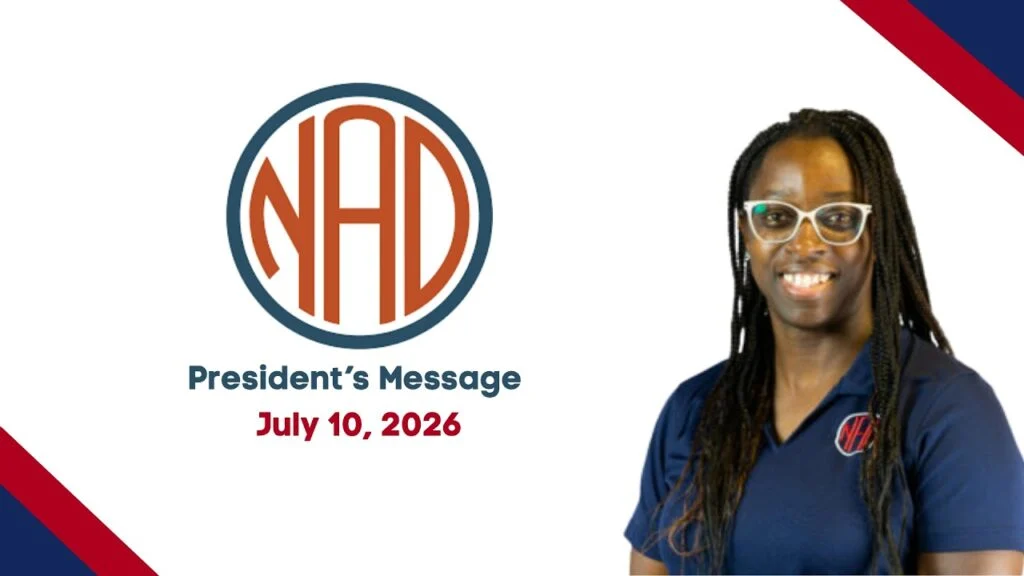
- July 10, 2026: NAD President Stephanie Hakulin released an official statement acknowledging the concerns and formally committing to a comprehensive review of the policy’s structure and title.
Analyzing the Impact of Policy Language
The debate over the policy’s name is not merely semantic; it touches on the core mission of the NAD. Communication experts note that language choices in institutional policies dictate how an organization is perceived by its constituents. For the NAD, a group whose very existence is predicated on language accessibility and the nuances of American Sign Language (ASL), the specific phrasing of a policy carries added weight.
Data from organizational development studies suggest that shifting from "zero tolerance" to "restorative accountability" frameworks can increase reporting rates of harassment. When policies are perceived as overly rigid, victims may fear that reporting an incident will trigger an uncontrollable, adversarial process. By signaling a willingness to incorporate restorative approaches, the NAD is attempting to align its governance with the evolving standards of non-profit management, which prioritize long-term cultural change over immediate, often temporary, disciplinary measures.
Official Response and Institutional Commitments
In her statement, Stephanie Hakulin emphasized that the board is committed to a process of "thoughtful reflection." The review will focus on four distinct pillars: the title of the policy, the procedural language, the mechanisms of implementation, and the inclusion of restorative justice alternatives.
Crucially, the NAD has maintained that the policy will remain in full effect during the review period. This ensures that current protections against harassment and discrimination are not suspended while the language is being refined. The organization has pledged to maintain confidentiality and adherence to legal standards, acknowledging that any change must still provide a robust shield for the individuals the policy is designed to protect. The board has also committed to ongoing communication with the community, promising that any proposed changes will be vetted through a transparent, consultative process.
Community Reactions and Stakeholder Perspectives
The reaction from the broader deaf community has been mixed but largely supportive of the review process. Prominent advocates for deaf rights have noted that while the intent of the original policy was undoubtedly to provide a safe space, the execution felt alienating to some who prioritize community-based solutions to interpersonal conflicts.
Legal analysts observing the situation note that the NAD faces a difficult balancing act. As a 501(c)(3) organization, the NAD is legally obligated to provide a safe working and event environment to mitigate liability. Stripping away "zero tolerance" language could be perceived as a weakening of protections if not replaced with equally robust, albeit differently framed, standards. Therefore, the board’s challenge is to find a middle ground that satisfies the community’s demand for a more empathetic, restorative framework while satisfying the stringent requirements of insurance carriers and legal counsel.
Broader Implications for Non-Profit Governance
The NAD’s decision to re-examine its policies serves as a case study for other national organizations currently grappling with the tension between rigid disciplinary frameworks and the desire for inclusive, restorative cultures.
The move reflects a wider trend in the non-profit sector where organizations are increasingly moving away from punitive models toward those that emphasize:
- Transparency: Ensuring that the process for investigating complaints is clearly understood and accessible.
- Cultural Competency: Recognizing that standard legalistic language may not translate well into the specific cultural values of the communities being served.
- Accountability: Focusing on the impact of harmful behavior on the collective, rather than just the individual violation.
As the NAD moves forward, the success of this review will likely be measured by the degree to which it successfully balances the necessity of firm conduct guidelines with the community’s desire for a more human-centered approach to justice. The organization has acknowledged that "good intentions do not replace the need to understand how the language is interpreted," signaling a shift toward a more responsive and audience-focused style of leadership.
Looking Ahead: The Review Process
The NAD Board of Directors has not provided a specific deadline for the conclusion of the review, suggesting that the process will be thorough rather than rushed. This indicates that the board is prioritizing consensus-building over rapid reform.
Moving forward, the community can expect the following developments:
- Engagement Sessions: Possible town halls or virtual forums where members can provide input on the values they wish to see reflected in the new policy.
- Drafting Phase: The development of a proposed policy revision that will likely undergo legal review to ensure it remains compliant with federal and state labor and non-profit regulations.
- Final Implementation: A formal announcement regarding the new policy framework, accompanied by educational materials explaining the rationale for any changes made.
The NAD’s willingness to engage in this public self-correction is a significant marker of its organizational health. By acknowledging that its foundational policies must evolve alongside the community’s shifting social values, the association is positioning itself to better serve the needs of the deaf and hard-of-hearing population in the coming decade. As the organization continues to navigate these changes, the focus remains on the core principles of dignity, fairness, and the collective strength of the community, summarized by the organization’s rallying call: "Together, we NAD rise."
While the immediate impact of this review remains to be seen, the process itself represents a notable step in the professionalization and democratization of the NAD. By placing its own governing documents under the microscope of public scrutiny, the board is demonstrating a level of accountability that is often rare in large-scale national organizations, setting a potential standard for how non-profits can effectively navigate the complex intersections of safety, equity, and inclusive community standards.