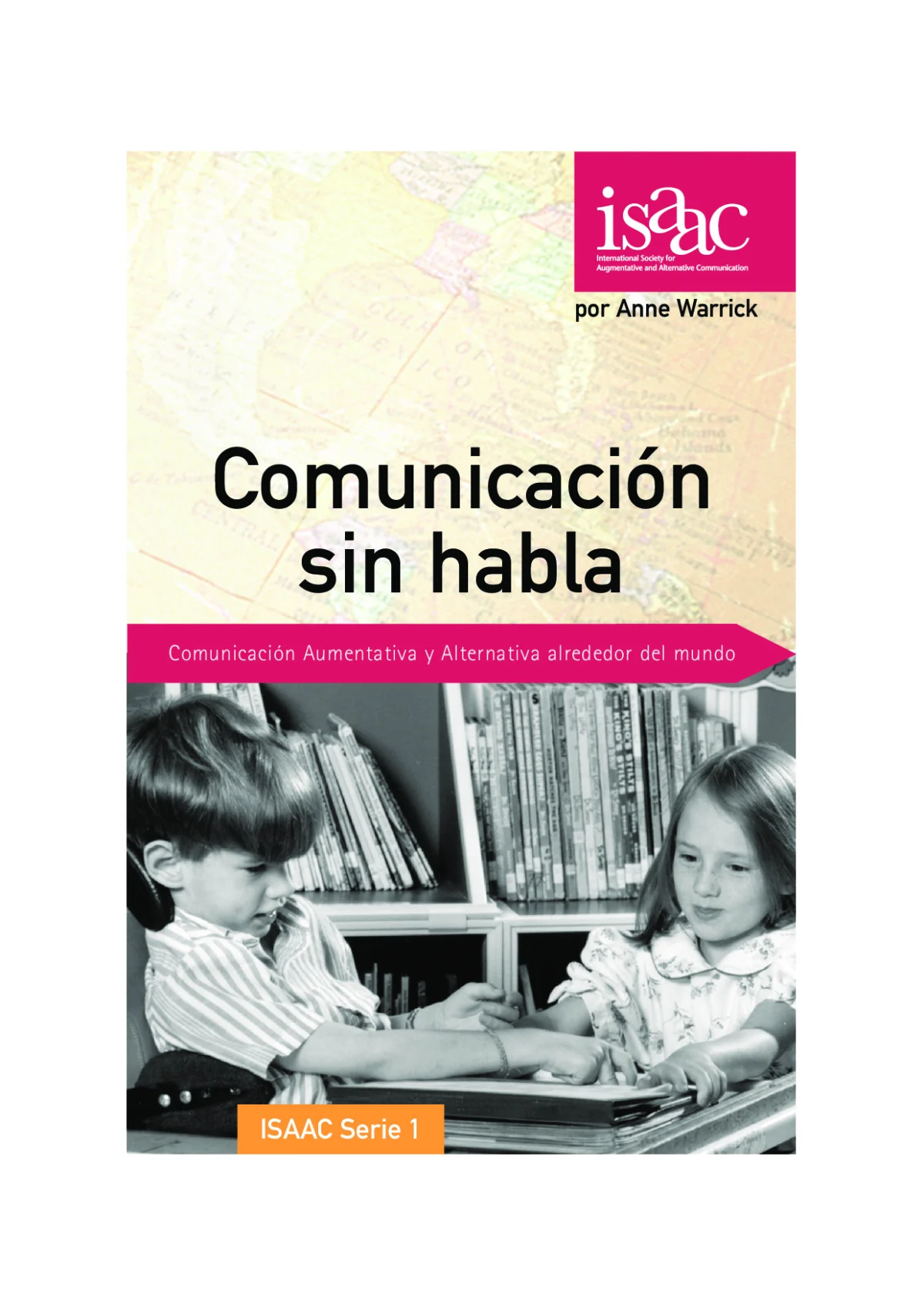
The Evolution of AAC Literature and Global Accessibility
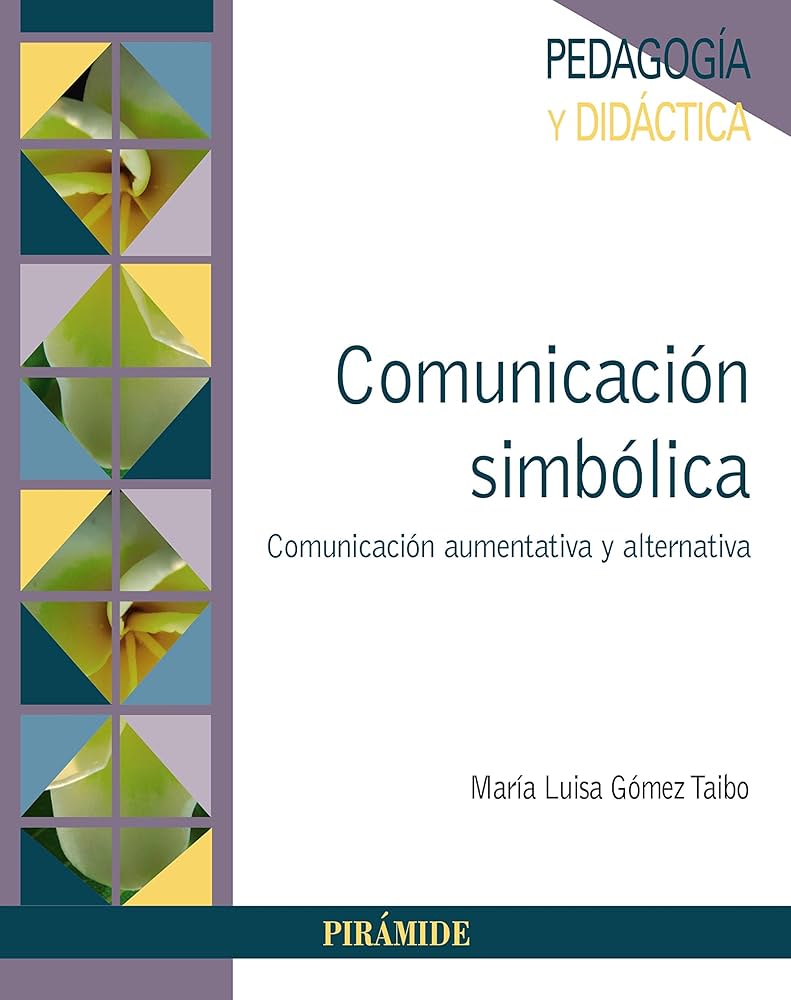
The history of AAC literature is rooted in the early 1980s, a period marked by the formalization of alternative communication systems as a recognized clinical discipline. During this era, seminal research primarily emerged from North America and Northern Europe, resulting in a linguistic bottleneck where the vast majority of peer-reviewed manuals and academic texts were published exclusively in English. This created a significant barrier for Spanish-speaking clinicians in Latin America and Spain, who often had to rely on fragmented, translated notes rather than comprehensive academic frameworks.
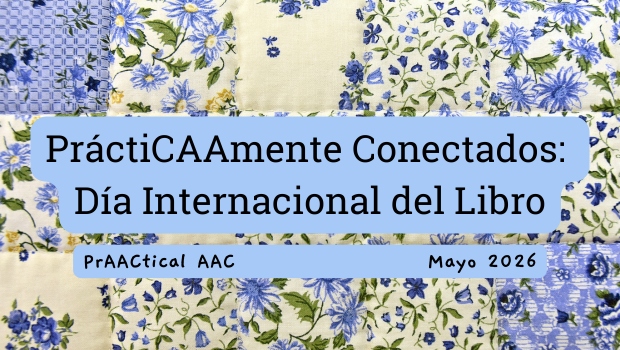
The International Society for Augmentative and Alternative Communication (ISAAC) has played a pivotal role in changing this trajectory. Since its inception, ISAAC has facilitated the dissemination of clinical research by supporting the translation of foundational texts. The current movement to expand these resources is not merely an academic endeavor; it is an effort to standardize high-quality, evidence-based practices across diverse socio-cultural contexts.
Landmark Texts and Theoretical Foundations
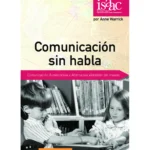
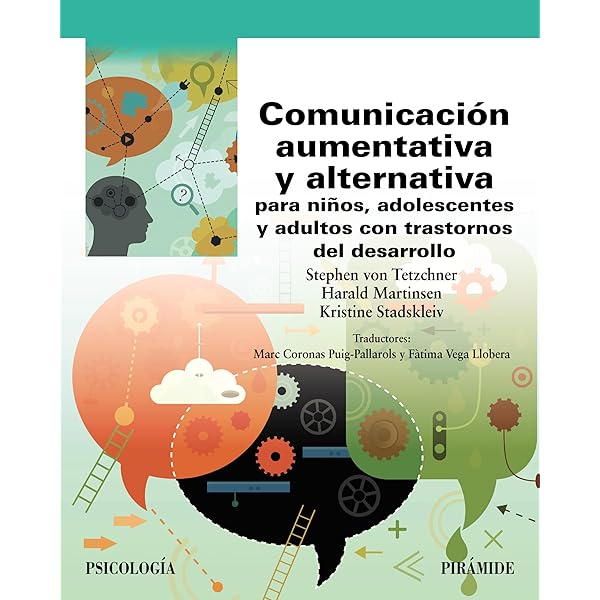
Central to the current discussion is the publication of Comunicación aumentativa y alternativa para niños, adolescentes y adultos con trastornos del desarrollo, authored by Stephen von Tetzchner, Harald Martinsen, and Kristine Stadskleiv. This volume represents a significant milestone in the field, providing an exhaustive overview of the theoretical underpinnings and practical applications of AAC.
The text addresses several critical areas of development, including:
- Assessment Methodologies: Moving beyond simple screening to comprehensive, longitudinal evaluation of communication potential.
- Intervention Strategies: Utilizing evidence-based models to support language acquisition in both naturalistic and clinical environments.
- Lifespan Development: Recognizing that communication needs evolve from childhood through adulthood, necessitating tailored approaches for different developmental stages.
The availability of such a text in Spanish allows for a more unified approach to training speech-language pathologists, occupational therapists, and special education teachers. By providing a shared vocabulary and theoretical base, the book mitigates the risks of clinical isolation and ensures that practitioners in Spanish-speaking regions are operating with the same rigor as their international counterparts.
Supporting Data: The Need for Localized Resources
The necessity for high-quality, native-language materials is supported by growing data regarding the prevalence of communication disabilities. According to data from the World Health Organization (WHO) and various national health registries, approximately 1% to 2% of the global population experiences a significant communication disorder that necessitates the use of AAC. In many Spanish-speaking countries, the lack of standardized training manuals has historically been identified by professional associations as a primary barrier to effective intervention.
Recent surveys of special education departments in Latin America suggest that while digital tools for AAC are becoming more available, the pedagogical understanding of how to implement these tools—the "how-to" of intervention—remains highly dependent on the availability of translated professional literature. The introduction of academic-grade textbooks in Spanish directly correlates with improved outcomes in diagnostic precision and the long-term success of users who require non-vocal communication support.

Chronology of Advocacy and Translation Efforts
The effort to globalize AAC knowledge follows a clear, though gradual, timeline of expansion:
- 1983: ISAAC is founded, initiating the first global efforts to share AAC knowledge across borders.
- 1990s: The first wave of translated materials appears, largely focused on basic terminology and elementary device operation.
- 2010–2020: A shift occurs toward translating comprehensive, research-based academic textbooks. Collaborative efforts between universities and international organizations begin to standardize curriculum for undergraduate and graduate programs in speech therapy.
- 2024–2025: The current era is defined by the integration of digital accessibility and globalized publishing, where major works are released in Spanish almost concurrently with their English counterparts.
Professional Responses and Institutional Impact
Leading experts in the field have lauded the shift toward more inclusive resource distribution. In recent commentary regarding the impact of these publications, academic stakeholders noted that "the democratization of clinical knowledge is the most effective tool for social inclusion."
When practitioners have access to literature in their primary language, the psychological and cognitive load of applying complex methodologies is significantly reduced. This allows for a more intuitive and responsive clinical practice. Furthermore, the availability of these resources in Spanish facilitates the creation of local support networks. When parents and caregivers can access the same literature as their therapists, the continuity of care improves, as the home environment becomes an extension of the clinical intervention.
Broader Implications: Toward a Universal Standard of Care
The broader implication of this initiative is the establishment of a "universal standard" of AAC practice. When the global AAC community moves in lockstep, sharing research and methodologies regardless of language, the result is a higher baseline of quality for the end-user.
For individuals with complex communication needs, the stakes are high. Effective communication is a fundamental human right, and the ability to express needs, feelings, and thoughts is the primary driver of autonomy. By ensuring that the professionals supporting these individuals are well-versed in the latest global research—delivered in their native language—the field of AAC is effectively narrowing the gap between potential and achievement.
The celebration of International Book Day, therefore, serves as a symbolic marker for the progress made in professional communication. It highlights that books are not just static repositories of knowledge, but dynamic tools that enable practitioners to transform the lives of those they support.
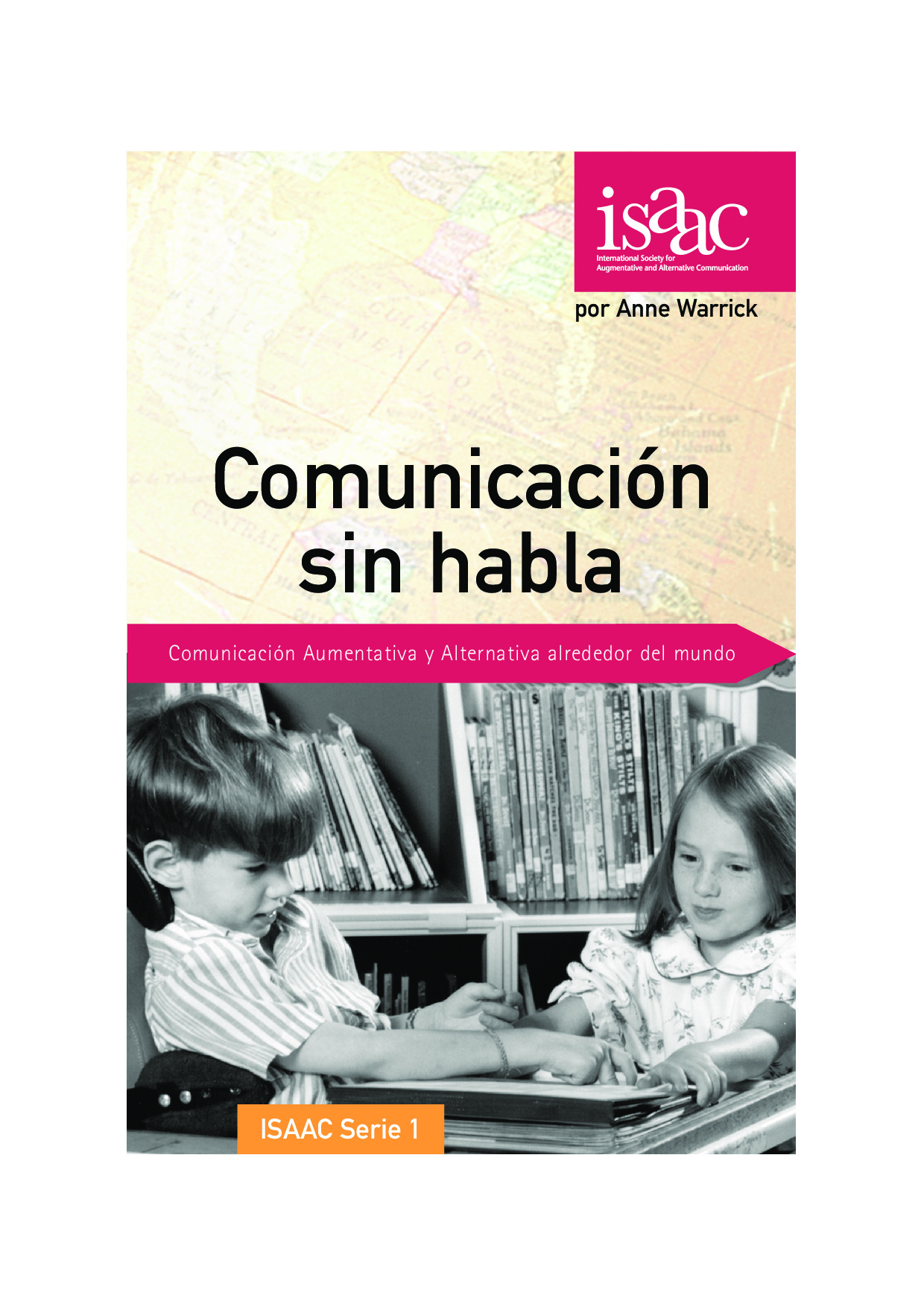
Future Directions for the Spanish-Speaking AAC Community
As the community looks toward the future, the focus is expected to shift from the translation of foundational texts to the creation of culturally adapted clinical materials. Language is inherently tied to culture; therefore, the next phase of development will likely involve regional adaptations of AAC systems that account for local dialects, social etiquette, and cultural nuances in communication.
Organizations like ISAAC and various regional affiliates are already exploring initiatives to support local research, ensuring that the knowledge base is not only translated but also enriched by the unique perspectives and experiences of Spanish-speaking clinicians and users.
In conclusion, the intersection of International Book Day and the ongoing advocacy for AAC resources serves as a testament to the power of shared information. The availability of high-level, academic, and practical literature in Spanish is a vital step toward creating a more inclusive and effective global health landscape. By continuing to prioritize the dissemination of these materials, the community ensures that the right to communicate remains a universal, accessible, and well-supported reality for all.