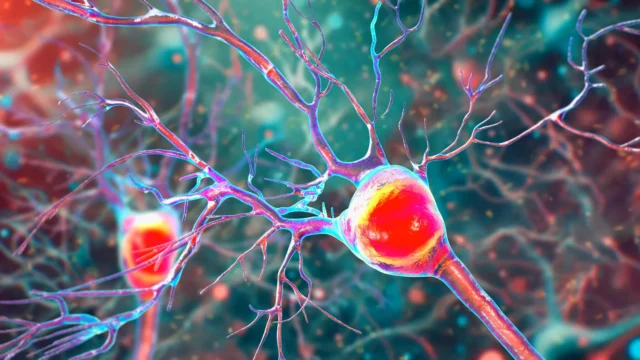

The research was a collaborative effort involving the ASU-Banner Neurodegenerative Disease Research Center, the ASU School of Life Sciences, the Banner Sun Health Research Institute, and the Mayo Clinic in Arizona. By utilizing advanced biomarker analysis, the team discovered that young adults with obesity already exhibit elevated levels of neurofilament light chain (NfL), a protein that serves as a hallmark of neuronal injury. These findings suggest that the metabolic "insults" of obesity—including inflammation and insulin resistance—are not merely physical ailments but are actively eroding the structural integrity of the brain decades before the first symptoms of memory loss appear.
The Metabolic-Cognitive Axis: How Obesity Impacts the Brain
The human brain is an incredibly energy-intensive organ, accounting for approximately 20% of the body’s total oxygen and glucose consumption. Because of this high metabolic demand, it is uniquely sensitive to systemic metabolic dysfunction. Obesity is characterized by chronic low-grade inflammation and metabolic stress, which can breach the blood-brain barrier and trigger neuroinflammation. The ASU study highlights that in young adults with obesity, this process is already well underway.
One of the primary metrics used in the study was the measurement of inflammation-promoting proteins and liver enzymes. The researchers found that obesity-related liver strain is strongly correlated with brain health. When the liver is stressed, it often fails to regulate systemic inflammation effectively, leading to a cascade of biological events that damage neurons. The detection of elevated NfL levels in these young participants is particularly concerning. NfL is a structural protein found inside neurons; when these cells are damaged or die, NfL leaks into the cerebrospinal fluid and eventually the bloodstream. Historically, high blood levels of NfL have been used to track the progression of Alzheimer’s disease, multiple sclerosis, and traumatic brain injury. Finding these elevated levels in 20-somethings suggests that obesity accelerates the biological "clock" of the brain.
The Critical Role of Choline in Neuroprotection
A pivotal discovery of the research involves the role of choline, an essential nutrient that the body uses to produce acetylcholine—a neurotransmitter vital for memory, mood, and muscle control. Choline is also a fundamental component of cell membranes and plays a key role in processing and transporting fats. The study revealed that young adults with obesity had significantly lower circulating levels of choline compared to their healthy-weight counterparts.
This deficiency creates a "perfect storm" for neurodegeneration. Without adequate choline, the brain cannot maintain the integrity of its cellular structures or produce sufficient neurotransmitters for cognitive function. Furthermore, choline is necessary for the liver to export fats; a deficiency leads to fat buildup in the liver, increasing systemic inflammation and metabolic stress. The researchers noted that the participants with the lowest choline levels also exhibited the highest levels of NfL and inflammatory cytokines, reinforcing the idea that choline acts as a buffer against obesity-induced brain damage.
Ramon Velazquez, the lead author of the study and a researcher at the ASU-Banner Neurodegenerative Disease Research Center, emphasized the importance of this nutrient. "This research adds to the growing evidence that choline is a valuable marker of metabolic and brain dysfunction," Velazquez stated. He further noted that recent scientific literature has increasingly linked low choline levels to behavioral issues such as anxiety and memory impairment, suggesting that the nutrient’s impact is both structural and functional.
Chronology of Research and Comparative Data
The ASU study represents a significant step in a timeline of research that has sought to bridge the gap between rodent models and human clinical outcomes. For years, laboratory studies on mice have shown that a choline-deficient diet leads to liver damage, obesity, and the accumulation of amyloid-beta plaques—the protein aggregates associated with Alzheimer’s disease. These animal models also demonstrated that supplemental choline could reverse some of these effects and improve cognitive performance.
The current study was designed to see if these patterns held true in a human cohort. The team recruited 30 participants in their 20s and 30s, a demographic often ignored in neurodegeneration research. By splitting the group between those with a healthy Body Mass Index (BMI) and those with obesity, the researchers could isolate the effects of metabolic weight status.
To provide context for their findings, the researchers compared the data from these young adults with a separate dataset of older adults who had been diagnosed with mild cognitive impairment (MCI) or Alzheimer’s disease. The results were striking: the biological profile of a young adult with obesity—low choline and high NfL—bore a significant resemblance to the profile of an elderly patient in the early stages of neurodegeneration. This comparison underscores the "silent" nature of brain aging, where the damage begins in early adulthood but remains clinically invisible until it reaches a tipping point in later life.
Institutional Responses and the "Hidden" Epidemic of Deficiency
The findings have sparked a dialogue among public health experts regarding the "hidden" epidemic of choline deficiency in the United States. According to national nutrition surveys, including the National Health and Nutrition Examination Survey (NHANES), approximately 90% of Americans do not meet the recommended daily intake of choline. The Adequate Intake (AI) level is set at 550 mg per day for men and 425 mg per day for women, yet many adults consume less than 300 mg.
The study also highlighted a gender-specific risk. Women in the study cohort had lower choline levels than men, a finding that aligns with epidemiological data showing that women are at a higher risk for Alzheimer’s disease. While pre-menopausal women have some ability to synthesize choline endogenously due to the influence of estrogen, this biological safeguard may not be enough to overcome the high metabolic demands imposed by obesity or poor dietary habits.
Wendy Winslow, the study’s first co-author, noted that public awareness is a major hurdle. "Most people don’t realize they aren’t getting enough choline," she said. The research suggests that dietary interventions—such as increasing the consumption of eggs, fish, and cruciferous vegetables—could serve as a low-cost, high-impact strategy for preserving brain health across the lifespan.
Analysis of Implications: The GLP-1 Era and Future Considerations
The study arrives at a time when the landscape of obesity treatment is being transformed by GLP-1 receptor agonists, such as semaglutide (Ozempic/Wegovy) and tirzepatide (Mounjaro). While these medications are highly effective at inducing weight loss and improving cardiovascular markers, they work primarily by suppressing appetite. The ASU researchers pointed out a potential unintended consequence: as patients eat significantly less food, their intake of essential micronutrients like choline may drop even further.
This creates a paradox where a patient may lose weight and improve their metabolic profile, yet remain at risk for neurodegeneration due to nutrient voids. The authors suggest that future clinical guidelines for weight-loss drugs should include nutritional counseling or supplementation to ensure that the brain is protected even as the body sheds weight.
Furthermore, the study’s identification of NfL as a viable marker in young adults could revolutionize how we screen for long-term cognitive risk. If blood tests can identify individuals at high risk for brain aging in their 20s, healthcare providers could implement aggressive lifestyle and nutritional interventions decades before irreversible damage occurs. This "preventative neurology" approach could significantly reduce the future burden of Alzheimer’s disease on the global healthcare system.
Conclusion: A Lifespan Perspective on Brain Health
The ASU-led research serves as a stark reminder that the brain does not exist in isolation from the rest of the body. The health of the liver, the stability of insulin levels, and the adequacy of dietary intake all play a role in determining how well the brain ages. By showing that obesity and choline deficiency can induce "older" biological markers in young adults, the study reframes Alzheimer’s as a lifespan issue rather than an inevitable consequence of aging.
"Our results suggest that, in young adults, good metabolic health and adequate choline contribute to neuronal health, laying the groundwork for healthy aging," concluded Jessica Judd, a co-author of the study. As research continues, the focus will likely shift toward longitudinal studies to track these young participants over several decades, determining if early intervention can truly stave off the onset of dementia. In the meantime, the message for the public and the medical community is clear: metabolic health in youth is the cornerstone of cognitive longevity in old age.