Understanding Auditory Neuropathy Spectrum Disorder (ANSD)
Auditory Neuropathy Spectrum Disorder is a unique hearing condition that differs significantly from sensorineural hearing loss. In individuals with ANSD, the inner ear successfully detects sound, but the signal is not properly transmitted from the inner ear to the brain. This results in a condition where hearing sensitivity can fluctuate, and speech comprehension—especially in noisy environments—becomes profoundly difficult.
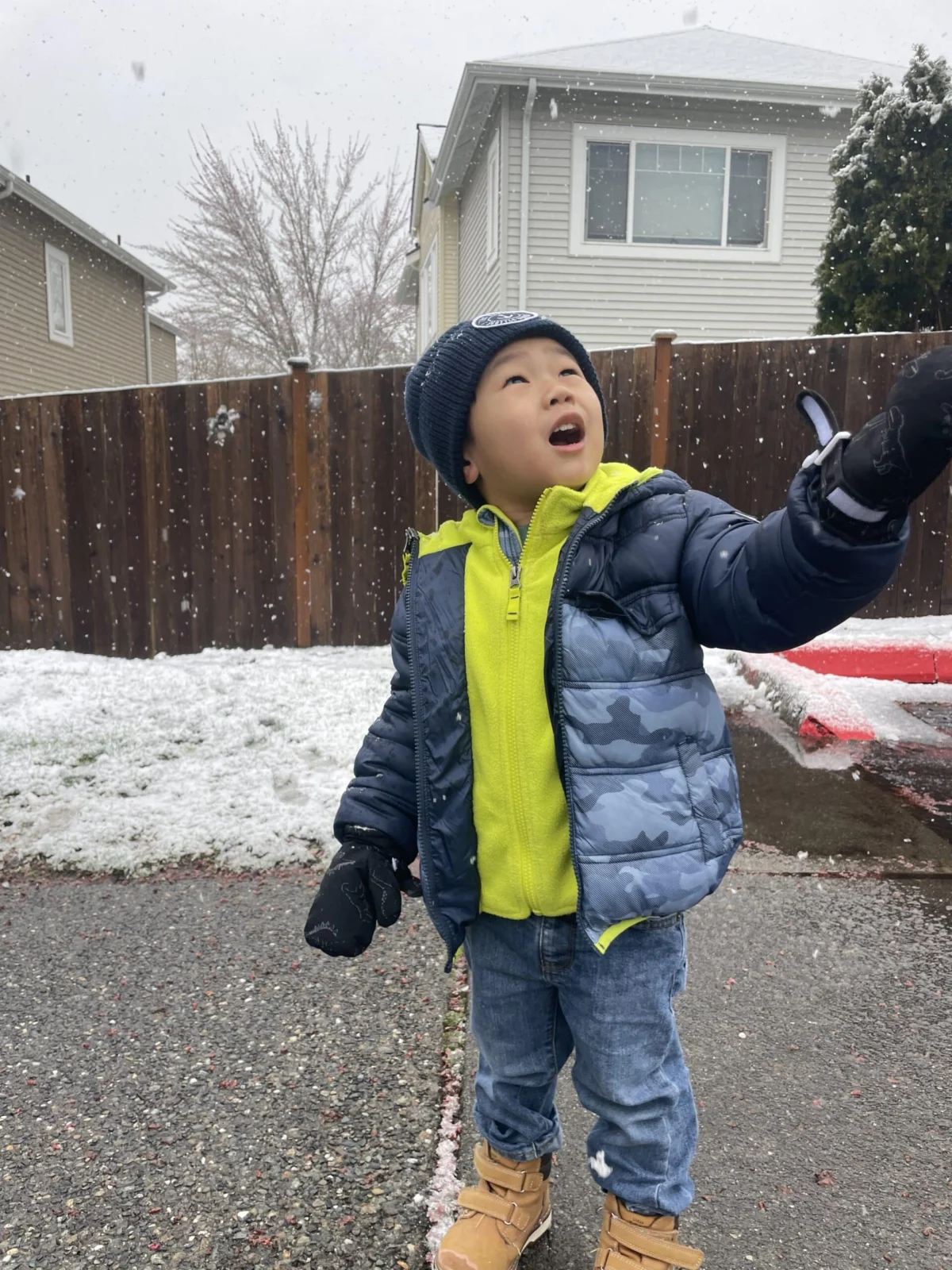
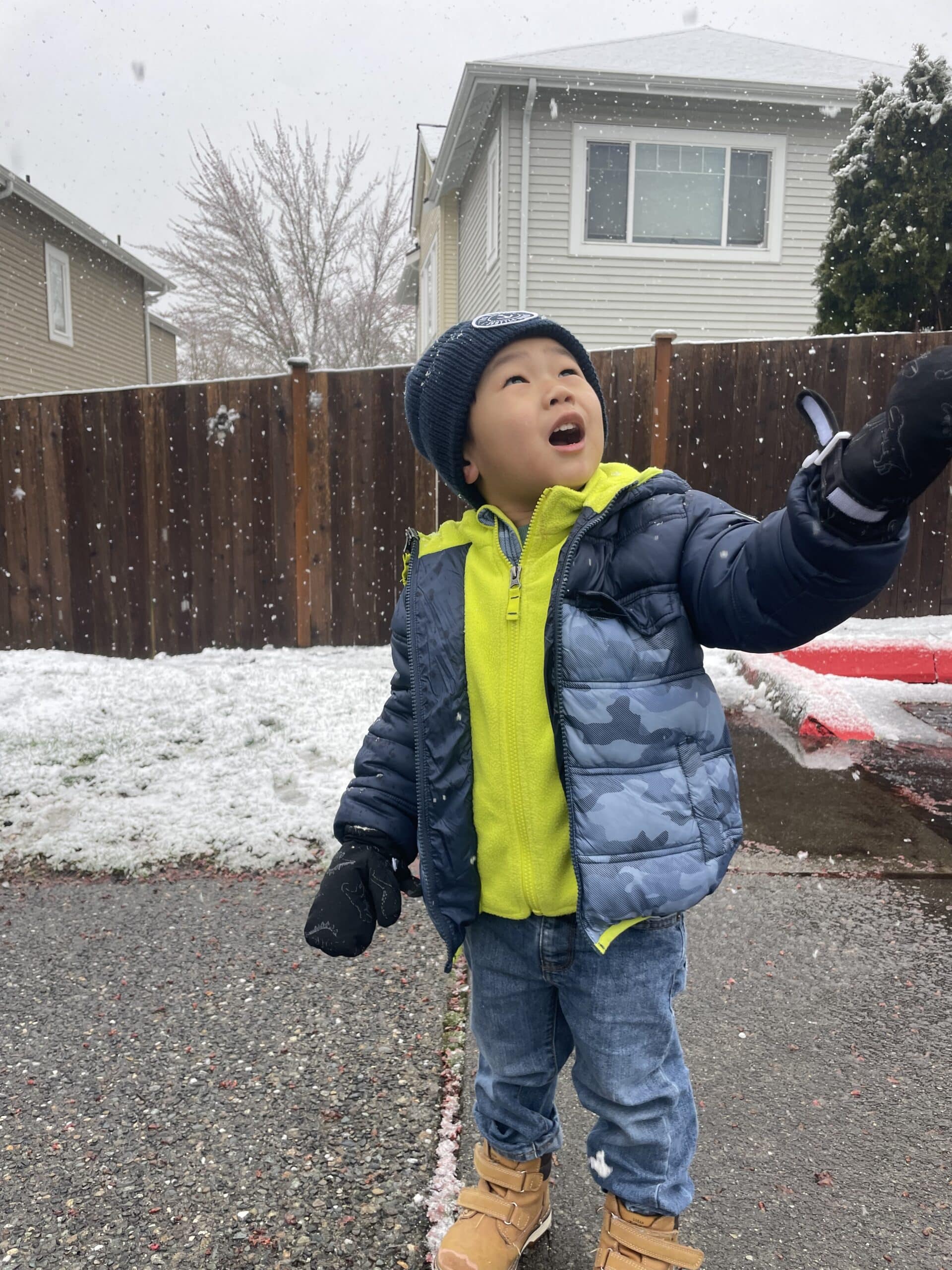
For Raiden, the diagnosis meant navigating moderate to severe hearing loss at specific pitches. This auditory inconsistency often results in delays in speech and language acquisition, as the brain struggles to map sounds to meaningful linguistic units. Medical professionals emphasize that the first three years of life are the most critical period for brain development in language acquisition. Without appropriate intervention, children with ANSD often struggle to bridge the gap between initial sound perception and expressive language fluency.
The Evolution of the Blended Classroom Model
Listen & Talk, a specialized educational organization, has pioneered an approach known as the "Blended Classroom." This model integrates children with hearing loss into a learning environment alongside typically hearing peers. The strategy is built upon the premise that inclusive environments provide the naturalistic social cues and language models necessary for children with hearing loss to develop robust communication skills.
The transition from a standard local preschool to a specialized facility often involves a rigorous assessment of resources. For the Yamamoto family, the decision was not merely about the curriculum but about the infrastructure. The inclusion of on-site audiology booths allows for real-time monitoring of hearing technology, ensuring that amplification devices—such as the hearing aid Raiden uses—are calibrated for maximum effectiveness. Furthermore, the classroom technology, which often includes sophisticated sound-field systems that broadcast a teacher’s voice directly to a student’s device, minimizes the "noise floor" that typically hinders learning for children with auditory processing challenges.
Chronology of Intervention: A Roadmap to Progress
The timeline of Raiden’s development highlights the rapid impact of consistent, evidence-based therapy:
- Birth: Diagnosis of Auditory Neuropathy Spectrum Disorder in the right ear.
- Early Infancy: Initial assessment of speech delays and commencement of basic monitoring.
- Fall (Year 1 of Program): Enrollment at the Listen & Talk Blended Classroom.
- Month 1-3: Focus on sensory integration, specifically acclimating the child to hearing aid usage and reducing "ear defensiveness."
- Month 4-6: Observed shift from 1-2 word utterances to 3-4 word phrases, alongside increased confidence in initiating social interaction.
This timeline illustrates that progress is not merely clinical; it is social and psychological. By reducing the physical discomfort of the device and increasing the child’s agency in the classroom, the intervention facilitates a behavioral shift that accelerates linguistic growth.
Supporting Data and the Efficacy of Early Detection
The importance of early diagnosis cannot be overstated. According to the Joint Committee on Infant Hearing (JCIH), the "1-3-6" rule remains the gold standard: screening for hearing loss by one month, diagnosis by three months, and enrollment in early intervention services by six months. Statistics from the National Institute on Deafness and Other Communication Disorders (NIDCD) suggest that children who receive intervention prior to six months of age demonstrate significantly higher language outcomes compared to those who do not.
The Blended Classroom model leverages these developmental windows by providing "auditory-rich" environments. In these settings, the teacher acts not just as an educator, but as a facilitator of communication. By pulling students out for targeted speech therapy while keeping them in the classroom for social integration, the program addresses both the "technical" deficit—the hearing loss itself—and the "social" deficit—the potential for isolation.
The Role of Parental Advocacy
A significant component of the Listen & Talk philosophy is the empowerment of the family unit. In many cases, the child is the patient, but the family is the primary stakeholder in long-term success. Through parent education classes, families learn to navigate the complexities of audiology, insurance advocacy, and the educational systems that will support their child into Kindergarten and beyond.
Advocacy is a critical skill for children with hearing loss. As they grow, they must learn to articulate their needs—to tell a teacher if their battery is dying, or to request a seat closer to a sound source. By integrating these skills early, the Blended Classroom ensures that students are not passive recipients of aid but active participants in their own accessibility.
Broader Implications for Social Impact Enterprises
The model provided by organizations like Listen & Talk represents a growing trend in social impact. These organizations often operate at the intersection of private healthcare and public education, filling gaps that traditional, under-resourced school districts may not be equipped to address.
The financial and social burden of unaddressed hearing loss is immense. Without intervention, individuals with significant hearing loss face higher risks of underemployment and lower educational attainment. By funding early intervention services, speech therapy, and audiology testing, these organizations are essentially engaging in "preventative social spending." The cost of providing intensive support in the preschool years is significantly lower than the cost of long-term remedial education or the social costs of lost potential in adulthood.

Expert Perspectives on Inclusive Education
Pedagogical experts often point out that the "blended" aspect of these classrooms benefits both groups of students. While the students with hearing loss gain necessary peer models for language, the typically hearing students gain an early understanding of neurodiversity and accessibility. This environment fosters a culture of empathy and adaptability, traits that are increasingly recognized as essential for 21st-century learners.
Furthermore, the integration of technology—such as remote microphone systems and sound-field amplification—is becoming a subject of interest for general education reformers. If these technologies can improve learning outcomes for children with hearing loss, research is now exploring whether they can also improve focus and engagement for neurotypical students in loud or chaotic classroom environments.
The Vision: A Future Without Limitations
The overarching goal of the current landscape in pediatric audiology is the eradication of hearing loss as a barrier to human potential. As seen with the Yamamoto family’s experience, the convergence of technology, specialized education, and parental support creates a "success loop." As Raiden continues to progress, his experience serves as a testament to the fact that while a diagnosis may change the trajectory of a child’s early years, it does not have to define the scope of their future.
The ongoing challenge for the field is to ensure that these high-quality resources are scalable and accessible. As more families seek out evidence-based early intervention, the need for continued public and private funding becomes clear. Contributions to these programs provide more than just equipment; they provide the infrastructure for a child to find their voice, initiate their own conversations, and enter the world of primary education with the confidence of their peers.
Ultimately, the success of the Blended Classroom model lies in its recognition of the child as a whole person, rather than a clinical case. By treating the hearing loss while simultaneously nurturing the child’s social and emotional development, educators and families can ensure that the vision—that "no child is limited by hearing loss"—is not just an ideal, but an achievable reality for every student. As Raiden looks toward his future, the foundation laid by his early years at Listen & Talk will undoubtedly serve as the bedrock for his academic and personal achievements.