
A Chronology of Early Detection and Diagnosis
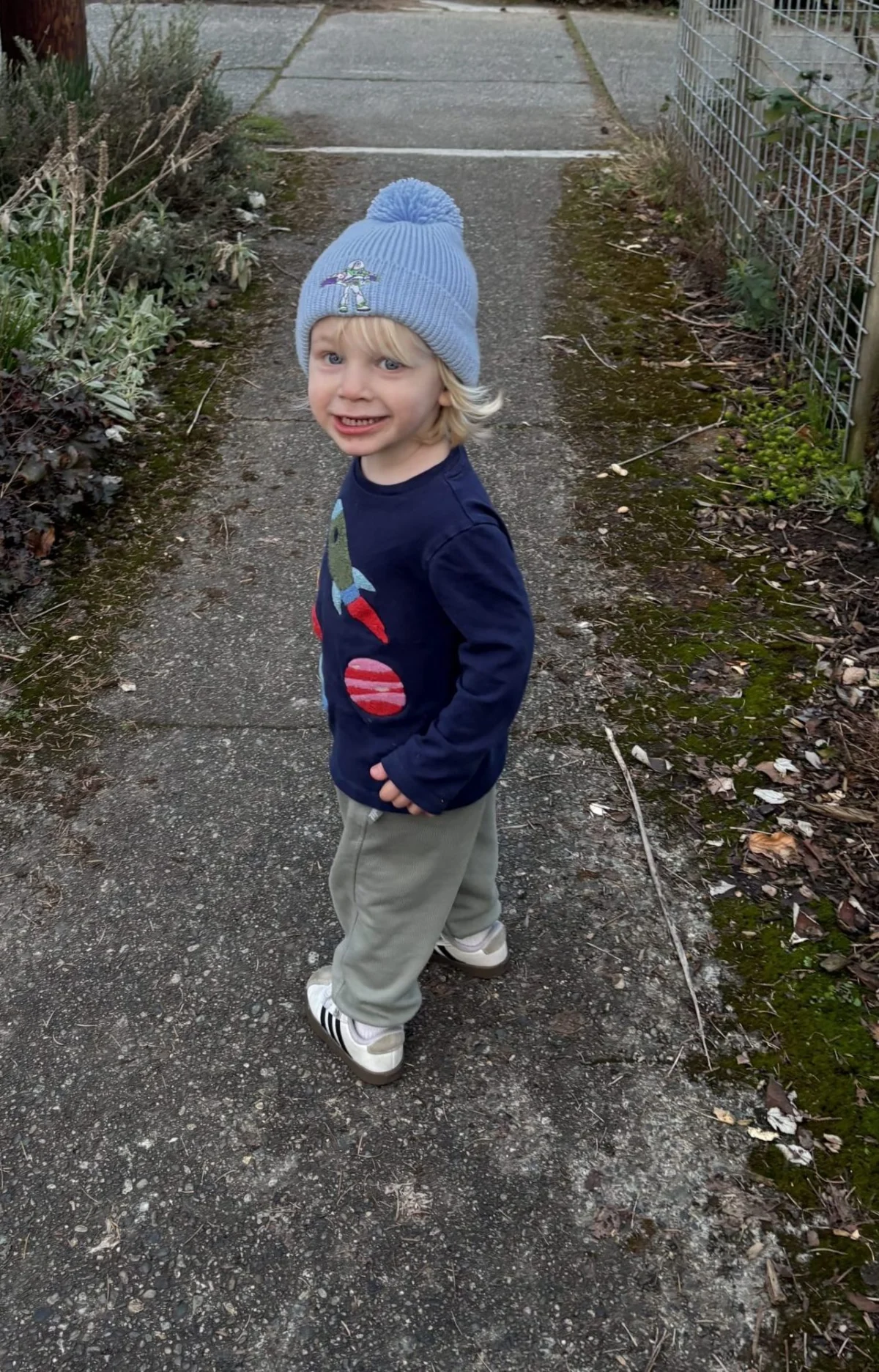
Landon’s diagnostic journey began shortly after his birth when he failed his initial newborn hearing screening. While such screenings are standard practice in hospitals across the United States, a "refer" result—the formal term for failing a screening—is often the first step in a long, sometimes daunting process of clinical evaluation.
For Landon’s family, the path to understanding his specific needs involved months of specialized pediatric audiology testing. Ultimately, clinical genetic testing revealed that his hearing loss was the result of a specific genetic mutation involving the deletion of both the STRC (stereocilin) and CATSPER2 genes. The STRC gene is essential for the function of the hair cells in the inner ear, which are responsible for converting sound waves into electrical signals for the brain. The deletion of these genes often results in hearing loss that specifically impacts the perception of higher-frequency sounds, such as the sibilant "s" or the ambient white noise of running water.
By 17 months of age, Landon was fitted with hearing aids. This timeline is significant; the American Speech-Language-Hearing Association (ASHA) emphasizes that the "1-3-6" model—screening by one month, diagnosis by three months, and intervention by six months—is the gold standard for preventing developmental delays in speech and language. Landon’s family, supported by professional interventionists, was able to align with these benchmarks, ensuring he had the auditory access required for cognitive development during his most formative years.
The Role of Specialized Interventionists
The partnership between Landon’s family and Listen and Talk began when he was only three months old. The organization utilizes a "Birth to Three" program model, which focuses on coaching parents to integrate language-rich environments into their daily routines.
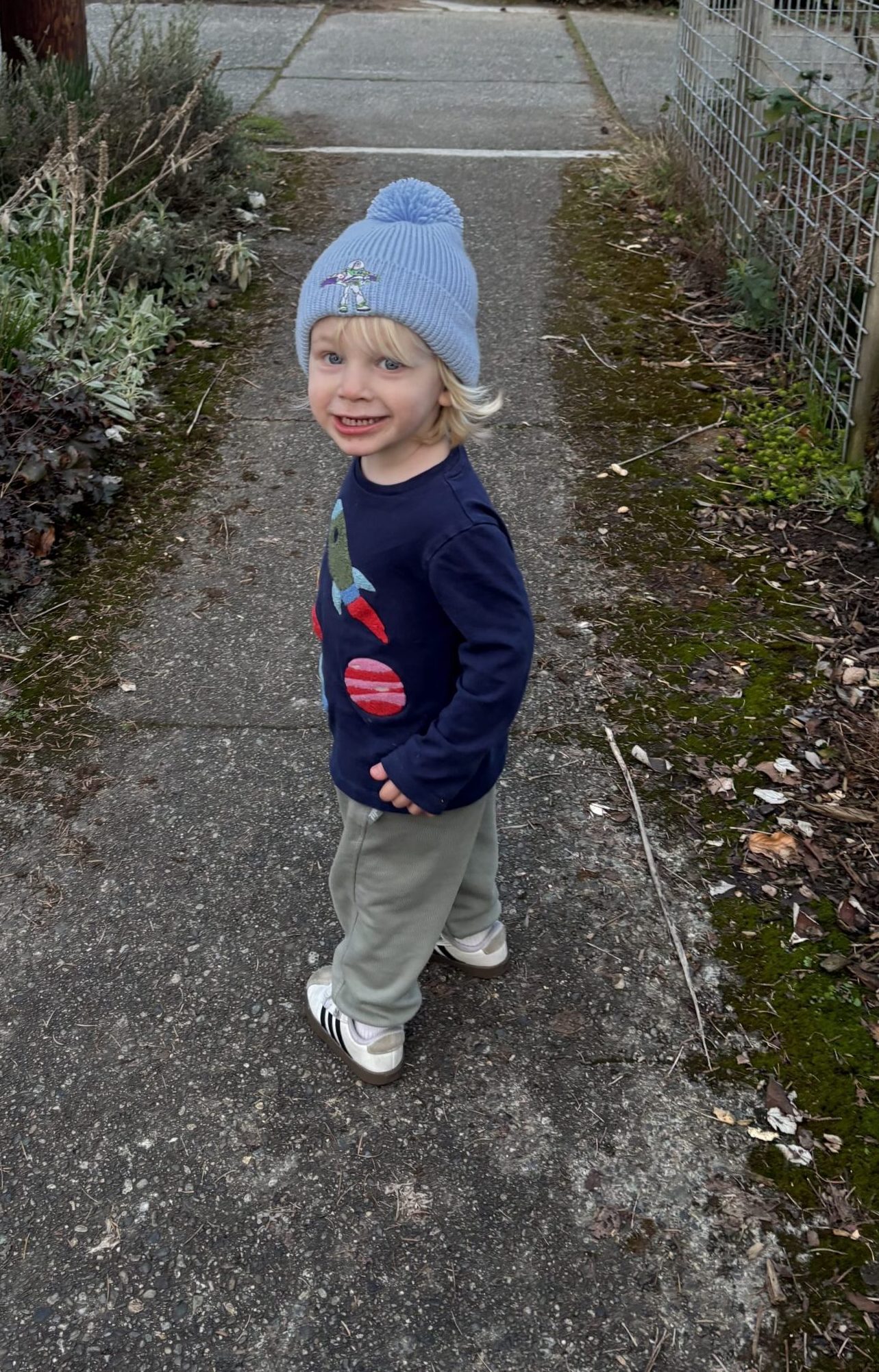
Meghan, a program specialist at Listen and Talk, served as the primary point of contact for the family. Her role extended far beyond clinical therapy; it involved providing emotional support during a period of high parental stress and offering practical strategies for managing the day-to-day challenges of a child with hearing loss. These strategies included troubleshooting hearing aid malfunctions, implementing specific reading techniques to enhance vocabulary acquisition, and providing consultation for Landon’s preschool teachers.
Consultation in the classroom is a vital, often overlooked component of early intervention. For a child with hearing loss, the classroom environment is inherently noisy, which can lead to "hearing fatigue"—a state of exhaustion caused by the intense mental effort required to decode speech in a high-stimulus setting. By implementing simple environmental modifications, such as ensuring the child sits near the teacher and reducing background noise, educators can significantly improve the child’s ability to participate fully in academic and social activities.
Data and Trends in Pediatric Hearing Loss
According to the Centers for Disease Control and Prevention (CDC), approximately 1.7 per 1,000 infants are born with permanent hearing loss in the United States. While technological advancements in cochlear implants and digital hearing aids have improved the quality of life for these children, the clinical outcomes remain heavily dependent on the "age of intervention."
Research published in the Journal of Deaf Studies and Deaf Education consistently demonstrates that children who receive intervention prior to six months of age exhibit significantly higher language quotients compared to those who receive intervention later. Furthermore, the integration of children with hearing loss into "blended classrooms"—environments where they learn alongside peers with typical hearing—has been shown to improve both social-emotional development and self-advocacy skills.
In a blended classroom model, the emphasis is placed on an auditory-rich environment. This approach encourages the child to maximize their residual hearing through technology while developing the internal confidence to express their needs to peers and educators. This process of self-advocacy is a fundamental life skill that ensures children remain integrated in mainstream educational settings as they progress toward primary and secondary school.
Broader Implications for Healthcare and Education
The success observed in cases like Landon’s is not merely anecdotal; it highlights the systemic necessity of funding for organizations that bridge the gap between clinical audiology and home-based educational support. The financial and social costs of untreated hearing loss are substantial. Without early support, children may face delays in speech, literacy, and social development, which can lead to academic struggles and increased demand for remedial services later in life.

"No child is limited by hearing loss," is the guiding vision for many organizations in this sector. However, achieving this vision requires a robust infrastructure of support. This includes:
- Clinical Audiology: Ensuring access to accurate diagnostic testing and state-of-the-art amplification technology.
- Parent Education: Empowering caregivers to become the primary language models in their child’s life.
- Inclusive Education: Promoting classroom models that foster social equity and peer-to-peer learning.
- Self-Advocacy Training: Equipping children with the tools to navigate a hearing-dominant world independently.
The Importance of Sustained Support
The financial sustainability of these programs is a frequent concern for non-profit entities. Donations and community support are critical for funding the high-quality staff, specialized equipment, and diagnostic resources required to serve families. As healthcare policy continues to evolve, the demand for early intervention services is expected to rise. The "social impact enterprise" model, utilized by organizations like Listen and Talk, allows for a diversified funding stream that keeps programs accessible to families regardless of their economic background.
The transition from a diagnosis to a thriving developmental trajectory requires a shift in perspective. As seen in Landon’s progress, the focus moves from the limitation of the condition to the development of the child’s potential. By celebrating small milestones—an increased vocabulary, clearer articulation, or the simple joy of a child recognizing their therapist—families can navigate the "uncharted waters" of a hearing loss diagnosis with confidence.
Future Outlook and Policy Considerations
As society moves toward a more inclusive educational framework, the lessons learned from early intervention programs are becoming increasingly relevant. Policies that mandate insurance coverage for hearing aids and speech therapy are vital, but they must be paired with community-based programs that provide the human element of care.
For parents currently navigating a new diagnosis, the consensus among professionals is clear: seek early, seek consistent support, and prioritize the development of self-advocacy. The combination of early intervention and an inclusive educational environment provides the foundation for children with hearing loss to excel alongside their peers. Landon’s journey serves as a clear illustration of how these elements—when synchronized effectively—can transform a challenging diagnosis into a story of resilience, growth, and success.
The ongoing support of the community through philanthropic efforts remains the bedrock of this progress. By investing in early childhood intervention, society is not only supporting individual families but also ensuring that future generations are provided with the equitable opportunities necessary to achieve their full potential, proving that with the right resources, hearing loss need not be a barrier to academic, social, or personal achievement.