The Growing Tide of Hearing Impairment Worldwide
The World Health Organization (WHO) estimates that more than 1.5 billion people globally live with some degree of hearing loss. Of this staggering number, approximately 430 million individuals, representing over 5% of the world’s population, require rehabilitation for disabling hearing loss. This condition, defined as hearing loss greater than 35 decibels (dB) in the better-hearing ear, significantly impacts daily communication and overall well-being.
Projections indicate a substantial increase in these figures. As global populations continue to grow and age, it is anticipated that by 2050, nearly 2.5 billion people will experience some form of hearing loss. Crucially, the number of individuals requiring hearing rehabilitation is expected to exceed 700 million, equating to approximately one in every ten people worldwide. This escalating trend underscores the urgent need for increased awareness, preventative measures, and accessible audiological services.
A significant disparity exists in the distribution of disabling hearing loss. Nearly 80% of those affected reside in low- and middle-income countries, where access to essential ear and hearing care services is often limited. This geographical and socioeconomic imbalance exacerbates the burden of hearing impairment, hindering educational and economic opportunities for vast populations.
It is important to note that prevalence figures can vary across studies due to differences in methodologies, including the specific hearing thresholds used, age groups examined, testing techniques employed, and definitions of hearing loss. Understanding these nuances is crucial for accurate interpretation of the data.
Global Hearing Loss Statistics at a Glance
To provide a clearer picture of the scope of hearing loss, the following table summarizes key global statistics, primarily based on WHO estimates:
| Global Hearing Loss Fact | Definition or Context |
|---|---|
| More than 1.5 billion people live with some degree of hearing loss. | Broadest global prevalence estimate. |
| Around 430 million people require rehabilitation for disabling hearing loss (hearing loss > 35 dB in better ear). | Number of people with disabling hearing loss. |
| More than 25% of people over age 60 have disabling hearing loss. | Hearing loss becomes more common with age. |
| Around 95.1 million children aged 5-19 live with hearing loss. | Hearing loss also affects children and adolescents. |
| Nearly 2.5 billion people may have some degree of hearing loss by 2050. | Projection based on population growth and aging. |
| More than 700 million people may require hearing rehabilitation by 2050. | Equivalent to about 1 in 10 people worldwide. |
Note: These WHO estimates are primarily based on hearing loss in the better-hearing ear. Consequently, they may not fully capture the prevalence of unilateral hearing loss, including single-sided deafness (SSD). The actual number of individuals experiencing clinically significant hearing loss could therefore be higher than these figures suggest.
Regional Disparities in Hearing Loss Prevalence
While global statistics paint a broad picture, significant regional variations in hearing loss prevalence exist. The WHO’s 2021 World Report on Hearing provides estimates for moderate-or-higher hearing loss across its six global regions, which are public health groupings and not strictly defined by continental or political boundaries.
| WHO Region | People With Moderate-or-Higher Hearing Loss | Regional Prevalence |
|---|---|---|
| Western Pacific Region | 136.5 million | 7.1% |
| European Region | 57.3 million | 6.2% |
| Region of the Americas | 62.7 million | 6.2% |
| South-East Asia Region | 109.4 million | 5.5% |
| African Region | 39.9 million | 3.6% |
| Eastern Mediterranean Region | 22.1 million | 3.1% |
Europe in Focus: A Deeper Look at Regional Trends
Within the European Region, an estimated 6.2% of the population, translating to 57.3 million individuals, experience moderate-or-higher hearing loss. However, when milder degrees of hearing loss are also considered, this number escalates dramatically. Approximately 190 million people, or about one in five in the region, are estimated to experience at least some form of hearing loss. It is important to clarify that the WHO European Region encompasses 53 countries across Europe and Central Asia, extending beyond the boundaries of the European Union.
Understanding the Nuances: Hearing Loss vs. Deafness
The terminology surrounding hearing impairment can sometimes lead to confusion. Hearing loss and deafness are not interchangeable terms, and their definitions can vary across clinical, social, cultural, and identity contexts. The WHO clarifies that deaf individuals primarily experience profound hearing loss, characterized by very little or no hearing ability. Hearing loss itself exists on a spectrum, ranging from mild to profound, and can affect one or both ears.
The divergence in population estimates for hearing loss and deafness can be attributed to several factors: the specific definition of hearing loss employed, the age structure of the population under study, the availability and quality of local data, and the statistical methods used to generate these estimates. For instance, WHO regional estimates often rely on a combination of direct evidence from population-based hearing studies and broader epidemiological data, utilizing statistical modeling to extrapolate prevalence across diverse geographical areas. In regions where direct population data is scarce, these models may play a more significant role. This complexity explains why a single, universally applicable percentage for all individuals with hearing loss is not feasible.

The Impact of Age on Hearing Health
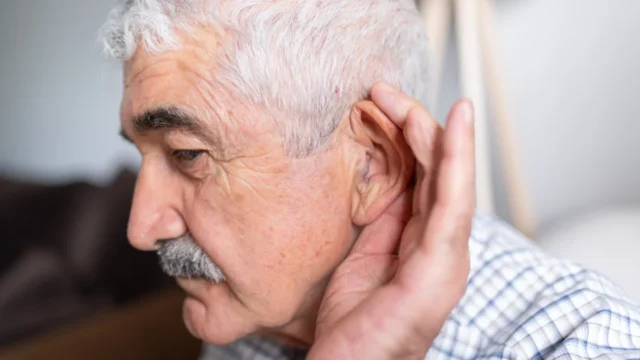
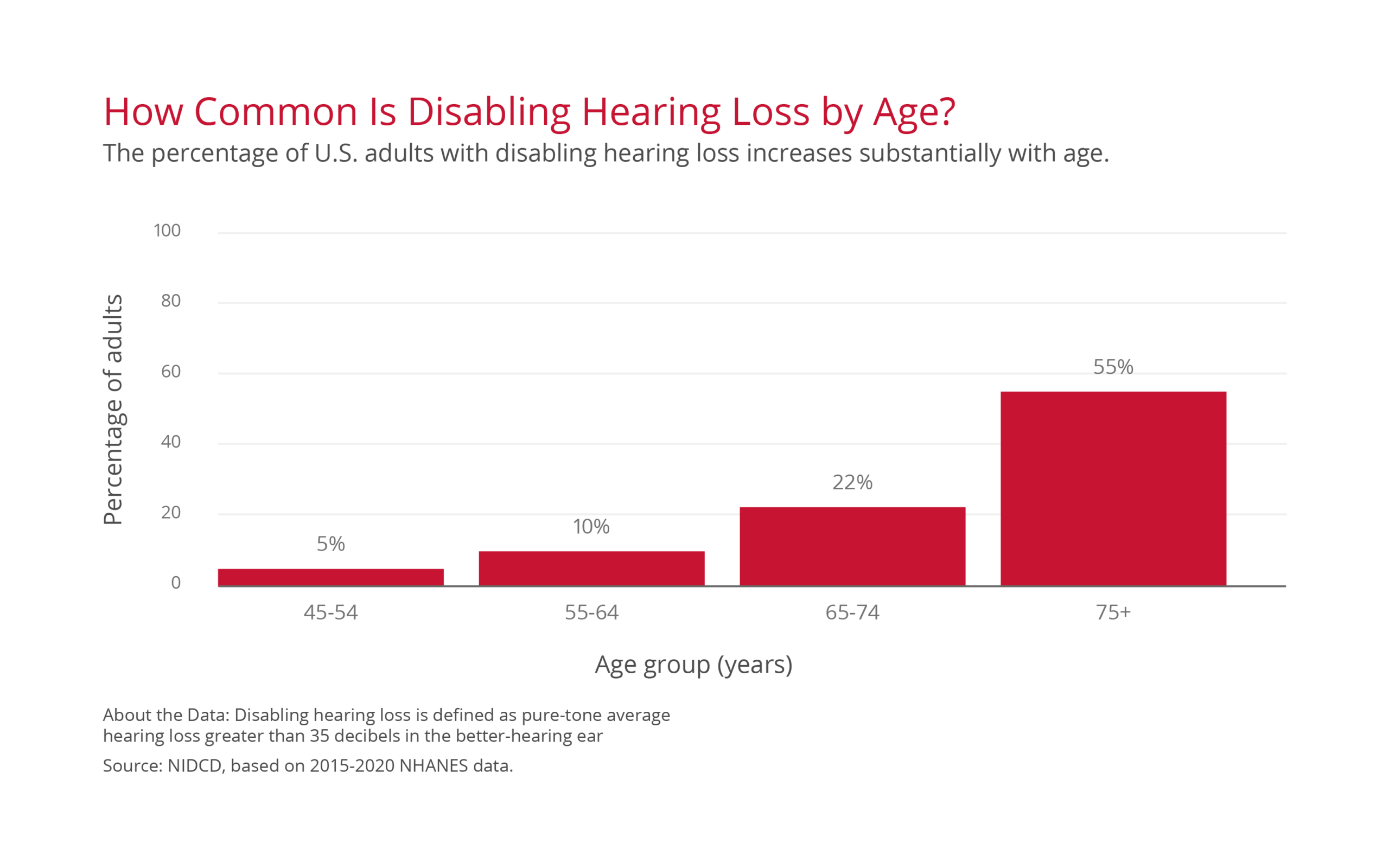
Hearing loss is a condition that can affect individuals at any age, but its prevalence significantly increases with advancing years. Globally, more than 25% of individuals over the age of 60 are affected by disabling hearing loss.
Hearing Loss in Children and Young Adults
Worldwide, approximately 95.1 million children and adolescents aged 5 to 19 years live with hearing loss. This can stem from congenital factors (present at birth) or develop later due to genetic predispositions, infections, chronic ear conditions, injuries, or exposure to loud noise. Early identification of hearing loss in children is paramount, enabling timely intervention and support. Resources detailing the signs of hearing loss in children are crucial for parents and caregivers to recognize potential issues and seek professional help.
Alarmingly, the WHO estimates that over 1 billion young adults are at risk of permanent, avoidable hearing loss due to unsafe listening practices, particularly prolonged exposure to loud music and entertainment sound systems.
Age-Related Hearing Loss (Presbycusis)
The gradual onset of age-related hearing loss, medically known as presbycusis, often leads to a delayed realization of the extent of hearing changes. Beyond chronological age, a person’s hearing health is influenced by a complex interplay of genetic factors, underlying health conditions, prescribed medications, occupational noise exposure, recreational noise habits, and access to preventative care and audiological services.
Country Spotlight: Hearing Loss by Age in the United States
In the United States, data from the National Institute on Deafness and Other Communication Disorders (NIDCD) provides specific insights into hearing loss across different age groups:
| U.S. Statistic | Estimate | Data Source |
|---|---|---|
| Children born with detectable hearing loss in one or both ears | About 2-3 per 1,000 | CDC early hearing detection and intervention program |
| People aged 12+ with hearing loss in both ears | Around 1 in 8 | NHANES (based on audiometric examination) |
| Adults aged 18+ reporting some trouble hearing | About 15%, or 37.5 million | NHIS (based on self-reported survey) |
| Adults who could benefit from hearing aids | About 28.8 million | NHANES data on hearing thresholds and HA candidacy criteria |
| Adults aged 70+ who could benefit from hearing aids and also made use of them | Fewer than 1 in 3 | NHANES analyses comparing measured HL with reported HA use |
It is important to avoid direct comparisons between WHO and NIDCD figures, as they utilize different measurement criteria and thresholds. Furthermore, some NIDCD statistics, such as those related to "trouble hearing," may encompass single-sided deafness (SSD) and unilateral hearing loss (UHL).
Identifying the Principal Risk Factors for Hearing Loss
The causes of hearing loss are diverse, with a multitude of risk factors that can impact an individual’s hearing from before birth through adulthood.
The Inevitable Factor of Aging
As individuals age, natural changes occur in the delicate structures of the inner ear. This age-related hearing loss typically affects both ears symmetrically and can make it increasingly challenging to comprehend speech, particularly in noisy environments.
The Detrimental Effects of Loud Noise
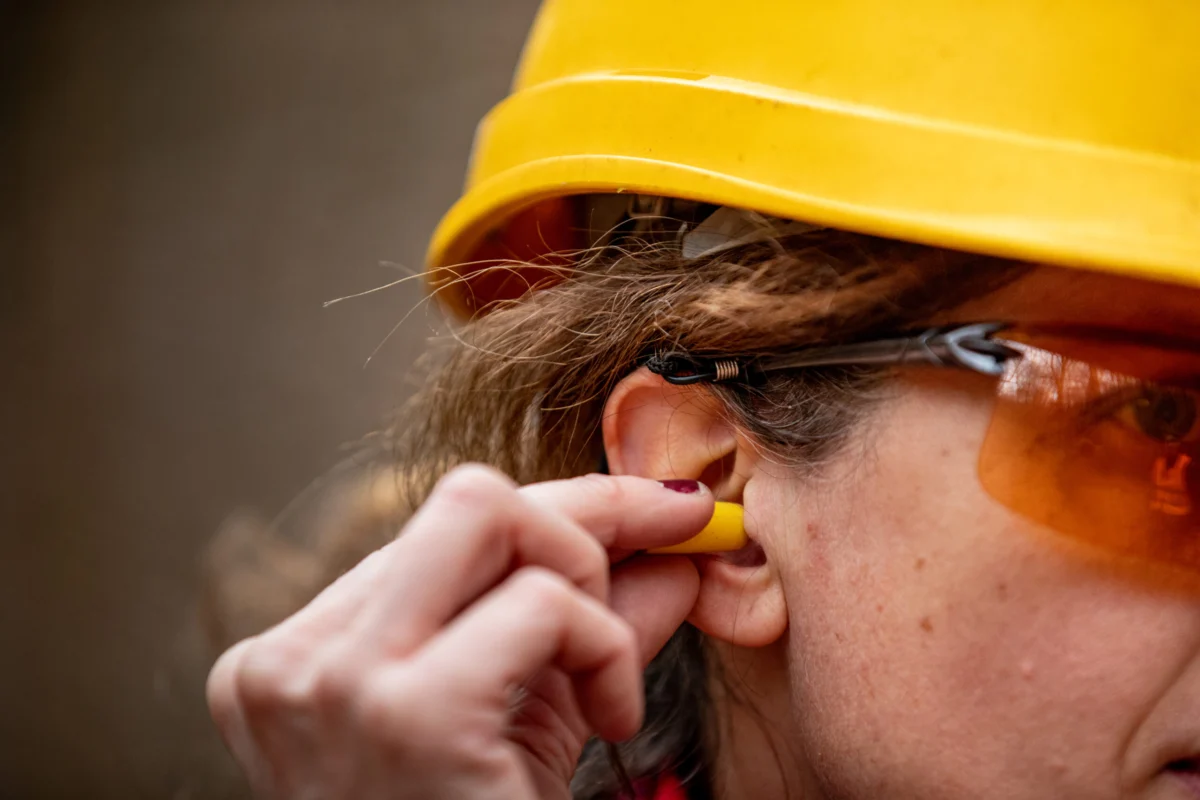
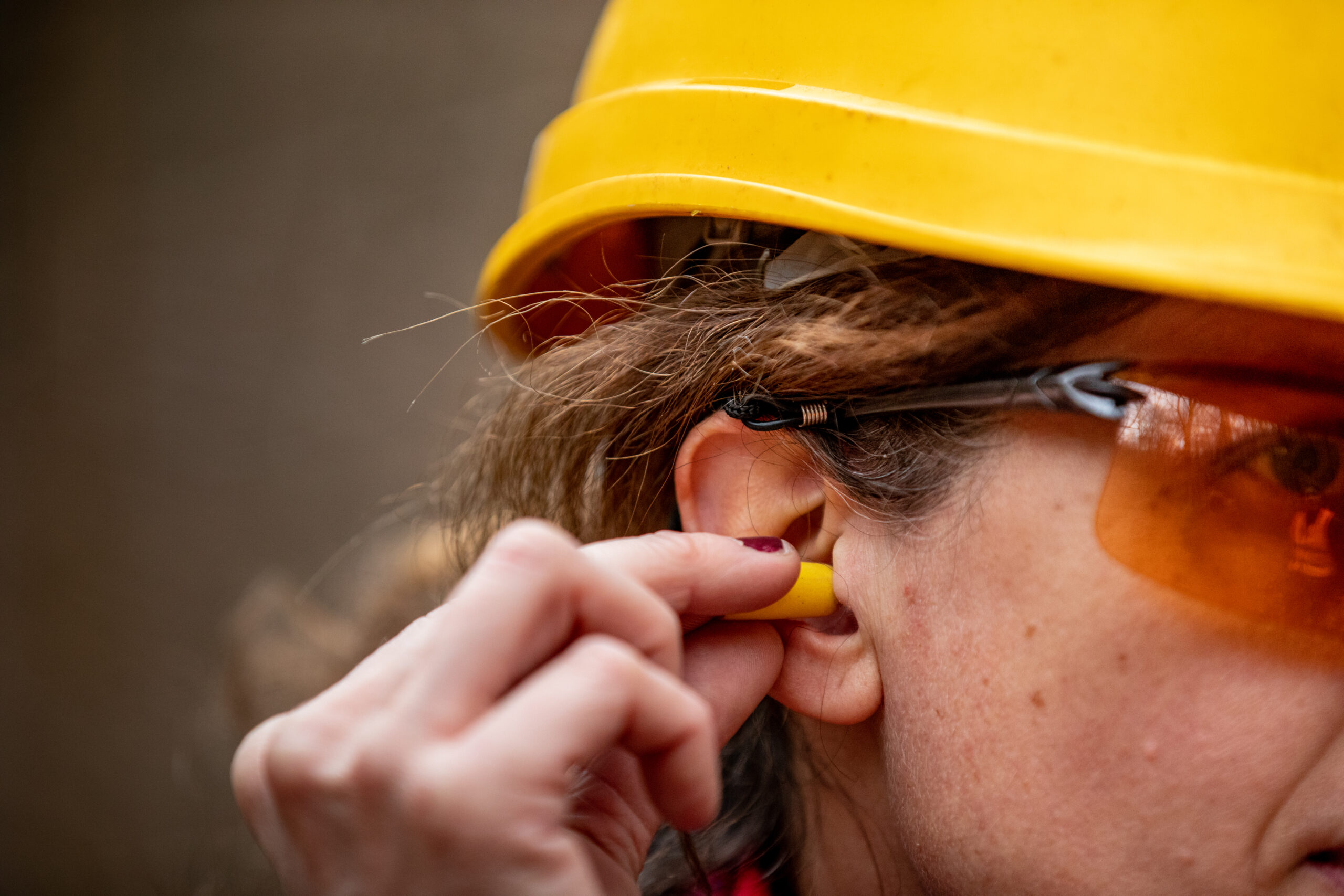
Prolonged or intense exposure to loud noise is a significant contributor to hearing loss. The delicate sensory hair cells within the inner ear, crucial for converting sound vibrations into electrical signals, can be permanently damaged by excessive noise levels. Common sources of such damage include noisy workplaces, the operation of power tools, attendance at concerts and other entertainment venues, and the use of personal audio devices at high volumes. Implementing ear protection in noisy situations, taking regular listening breaks, and adhering to safe listening practices are vital strategies to mitigate the risk of noise-induced hearing loss.
Other Contributing Factors
Beyond aging and noise exposure, hearing loss can be associated with a range of other factors, including:
- Genetic Predispositions: Inherited conditions can increase susceptibility to hearing impairment.
- Sex: Certain types of hearing loss may show differential prevalence between sexes.
- Infections: Ear infections or systemic infections can damage auditory structures.
- Chronic Ear Conditions: Persistent ear problems can lead to progressive hearing loss.
- Injuries and Trauma: Head injuries or direct trauma to the ear can affect hearing.
- Specific Health Conditions: Certain chronic diseases, such as diabetes or cardiovascular disease, can impact hearing.
- Smoking: Nicotine and other chemicals in tobacco smoke can negatively affect blood flow to the inner ear.
- Ototoxic Medications: Some medications, including certain antibiotics and chemotherapy drugs, can have a toxic effect on the auditory system.
Given the wide array of potential causes and types of hearing loss, a professional hearing assessment is indispensable for anyone experiencing changes in their auditory perception.
The Significance of Hearing Loss Statistics
The prevalence of hearing loss, as highlighted by global statistics, underscores its status as a major public health issue. These figures reveal that a substantial number of individuals with hearing difficulties remain undiagnosed or untreated. The consequences of unaddressed hearing loss are far-reaching, significantly impacting an individual’s ability to communicate effectively, participate in social activities, pursue educational goals, maintain employment, and generally enjoy a good quality of life.
The WHO estimates that unaddressed hearing loss incurs an annual global economic cost of nearly US$1 trillion, encompassing lost productivity, healthcare expenses, and social support needs. While statistics provide valuable context, they cannot substitute for individual diagnostic assessment.
When to Seek a Hearing Test
Recognizing the signs of hearing loss is the first step towards seeking help. Individuals should consider a hearing test if they experience any of the following:
- Difficulty understanding conversations, especially in noisy environments.
- Frequently asking others to repeat themselves.
- Turning up the volume on televisions or radios to an uncomfortable level for others.
- Experiencing ringing or buzzing sounds in the ears (tinnitus).
- Feeling that sounds are muffled or indistinct.
- Avoiding social situations due to difficulties with communication.
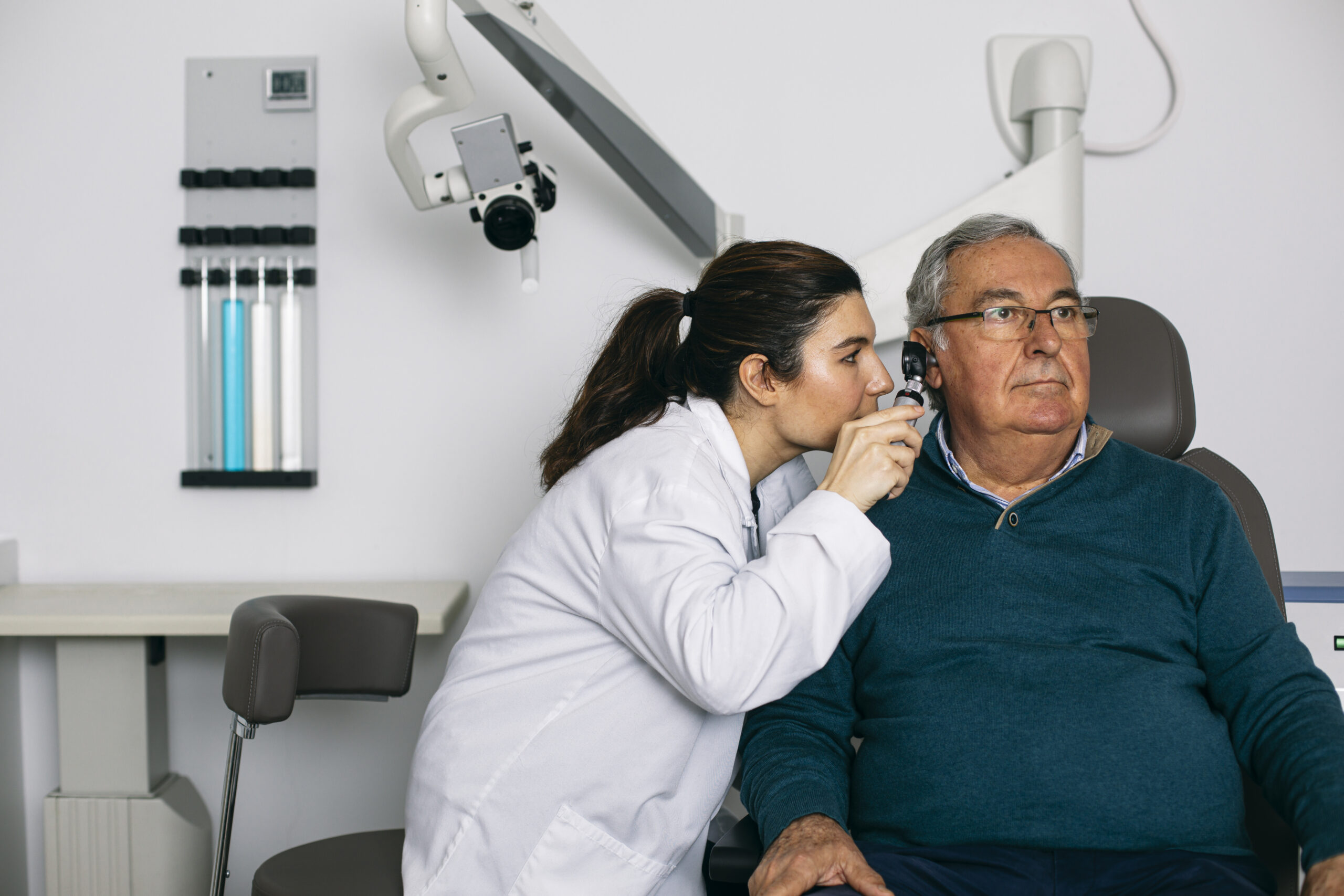
A preliminary hearing screening can serve as a useful initial step, followed by a more comprehensive audiological assessment to accurately determine the presence, type, and degree of any hearing loss.
The Path Forward: Solutions and Professional Guidance
Depending on the specific type and severity of hearing loss, various solutions can significantly improve auditory function and quality of life. These may include:
- Hearing Aids: For mild to severe hearing loss, modern hearing aids can amplify sounds and enhance speech clarity.
- Assistive Listening Devices: A range of technologies, such as FM systems or amplified telephones, can further support communication in specific situations.
- Cochlear Implants and Implantable Hearing Solutions: For individuals with severe-to-profound hearing loss, cochlear implants and other implantable devices offer a more advanced solution by directly stimulating the auditory nerve. These options are typically discussed with a qualified hearing care professional.
The most appropriate solution is highly individualized, determined by a thorough professional assessment of a person’s specific hearing profile, lifestyle, and needs.
Key Global Hearing Loss Takeaways
Hearing loss is a widespread global phenomenon, affecting individuals across all age groups and geographic regions. While prevalence rates, population numbers, and access to care vary significantly by region, the overarching message is clear: hearing impairment is a substantial and growing challenge. The diverse methodologies and reporting frameworks used in statistical studies mean that not all figures are directly comparable, necessitating a nuanced interpretation of the data.

Despite advancements in prevention and treatment strategies, hearing loss remains significantly underdiagnosed and undertreated on a global scale. For individuals experiencing any changes in their hearing, consulting a hearing professional as soon as possible is paramount to ensure timely diagnosis and access to appropriate interventions. Proactive management of hearing health is crucial for maintaining communication, social engagement, and overall well-being.