The Challenge of Remote Infrastructure
The QNS&L Railway functions as a vital industrial artery, spanning approximately 400 kilometers (250 miles) of track through some of the most unforgiving terrain in North America. Connecting the port of Sept-Îles, Quebec, with the iron ore mining hub of Labrador City, Newfoundland and Labrador, the line traverses dense boreal forests, frozen tundra, and mountainous landscapes where cell phone reception is non-existent and traditional road access is often non-existent.
In such environments, an injured worker or a crew member experiencing a cardiac event can face a "golden hour" delay—the critical window in which immediate medical intervention significantly improves survival rates. With ambulance response times in these remote corridors potentially reaching several hours—or longer depending on weather conditions—the railway faced a significant safety gap. Relying solely on external emergency medical services (EMS) was deemed insufficient for the safety culture standards required by a modern, high-intensity industrial operation.
The Genesis and Implementation of the RFR Program
The Remote First Responder Program was developed as a direct response to the operational risks inherent in such a vast, disconnected network. The core philosophy of the program is to transform the workforce into a mobile network of medical stabilization specialists. By ensuring that employees on the trains and at trackside locations are trained to act as the primary point of contact during a medical crisis, the railway effectively "decentralizes" safety.
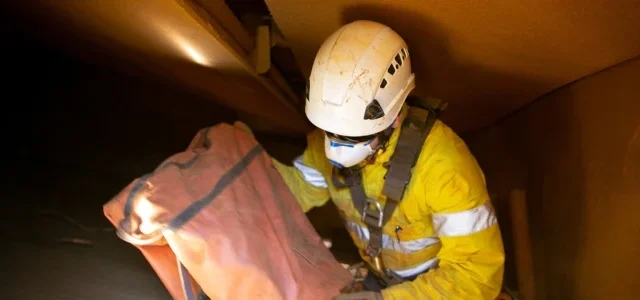
The program’s structure is rigorous, moving beyond basic first-aid certifications. Participants undergo an intensive 40-hour initial training course, which covers advanced trauma care, stabilization techniques, and the management of medical emergencies specific to the industrial environment, such as crush injuries, hypothermia, and heavy machinery accidents.

Recognizing that skill degradation is a major hurdle in emergency response, the program mandates a strict maintenance schedule. Employees must undergo eight-hour refresher sessions every six months to keep their skills sharp. Furthermore, the base certification must be renewed every three years. To date, more than 160 employees have completed this certification, creating a safety net that follows the rail line from the port to the mines.
Strategic Deployment of Resources
Training is only half of the equation. A key component of the award-winning program is the physical infrastructure of medical support. Rio Tinto IOC has strategically placed high-grade first responder medical kits at key locations along the 400-kilometer route. These kits are not standard workplace first-aid boxes; they are curated for remote trauma and cardiac events, containing automated external defibrillators (AEDs), advanced airway management tools, and specialized stabilization equipment.
The program also integrates a 24/7 specialized medical support line. Should a worker encounter an emergency, they have immediate, constant access to remote medical professionals who can provide real-time guidance via satellite-linked communication devices. This "tele-medicine" approach allows the on-site first responder to act as the "hands" of a physician or paramedic who is located hundreds of kilometers away.

Coordinating with External Emergency Services
Perhaps the most complex aspect of the program is its integration with regional emergency services. Because the rail line crosses provincial boundaries and remote wilderness areas, coordination with local police, hospital networks, and aerial evacuation teams is essential.
The program has established formal protocols for helicopter evacuations, which remain the primary method for extracting critically injured personnel from the deep bush. By creating standardized communication protocols, the RFR program ensures that when a helicopter arrives, the flight crew receives a concise, accurate patient assessment from the trained rail staff on the ground. This reduces the time spent on the landing zone and accelerates the patient’s transit to trauma centers in either Sept-Îles or other regional medical hubs.
The Broader Impact on Canadian Rail Safety
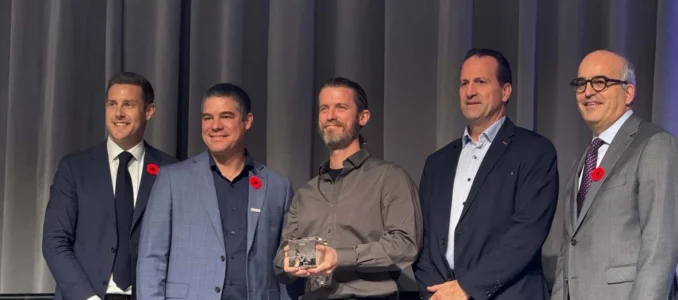
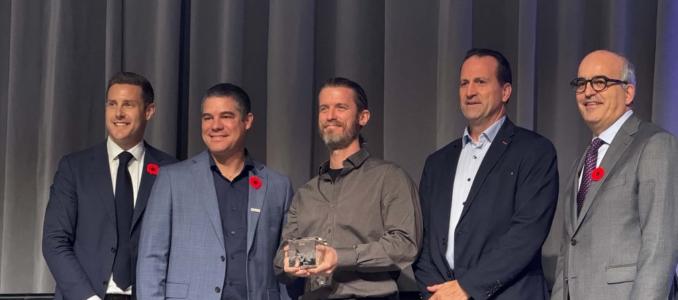
The Railway Association of Canada’s decision to award this program reflects a growing trend in the industry: the transition from reactive safety measures to proactive, worker-led resilience. In the Canadian railway sector, safety is often discussed in terms of derailment prevention or hazardous material handling. While those remain critical, the QNS&L initiative highlights the importance of "human-centric" safety—treating the worker as the first line of defense in the event of an accident.
Industry analysts suggest that the RFR model could have significant implications for other sectors operating in Canada’s North, including mining, forestry, and energy pipeline maintenance. As these industries face increasing pressure to demonstrate robust safety management systems (SMS), the QNS&L model offers a replicable framework that minimizes reliance on local infrastructure that may be already strained.
Perspectives on the Achievement
While formal statements from the specific leadership team at Rio Tinto IOC are pending further internal review, the industry reaction to the award has been universally positive. Safety experts within the rail sector have noted that the 160-employee threshold represents a significant percentage of the total workforce on that line, meaning that in almost any given shift, there is a high probability of having a trained first responder in the immediate vicinity of any incident.
"The challenge with remote operations is not just equipment; it is the confidence of the individual in the field," noted an industry safety auditor. "By investing 40 hours of training and mandating bi-annual refreshes, Rio Tinto IOC is fostering a culture where safety is not just a policy written in a handbook, but a tangible skill set carried by the employees themselves."
Statistical Context and Future Projections
In the context of occupational health and safety (OHS), the efficacy of such programs is often measured in the reduction of "lost time injuries" (LTI) and the severity of medical outcomes. Although specific internal incident data is confidential, the implementation of such comprehensive training is statistically correlated with a reduction in morbidity following workplace accidents.
Looking forward, the industry expects that programs like the RFR will become the standard for remote operations. With the rapid advancement of portable diagnostic technology—such as handheld ultrasound devices and improved satellite connectivity—it is likely that the capabilities of the QNS&L first responders will continue to expand.
Conclusion: A Benchmark for Excellence
The 2026 Safety Award serves as a testament to the fact that geographic isolation need not equate to medical vulnerability. Through a combination of rigorous training, strategic asset placement, and seamless inter-agency coordination, the QNS&L Railway has successfully mitigated one of the most persistent risks in heavy industry.
As the Canadian rail industry moves toward a future defined by increased automation and connectivity, the human element—specifically the ability of workers to protect one another in the face of crisis—remains the most vital component of a safe operation. By prioritizing the health and survival of its employees through the Remote First Responder Program, Rio Tinto IOC has set a high bar for its peers, proving that safety is a commitment that must be maintained regardless of how far the track leads into the wilderness.