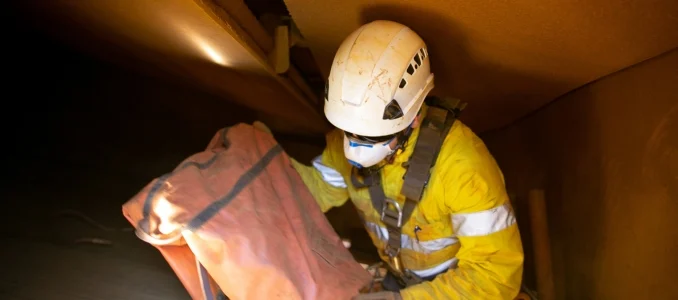
The project, spearheaded by lead researcher Atin Adhikari, a professor of public health, is designed to provide granular data on airborne particle exposure levels and the real-world functionality of N95 respirators. By partnering with industrial facilities in Georgia, the research team intends to move beyond laboratory-controlled testing to examine how these devices hold up under the rigorous, often unforgiving conditions of active construction-related manufacturing.
The Dangers of Crystalline Silica and Concrete Dust
The necessity for this study is underscored by the well-documented health hazards associated with concrete dust. When concrete is mixed, cut, or crushed, it releases fine particulate matter, including respirable crystalline silica. Inhaling these microscopic particles can lead to silicosis, a debilitating and potentially fatal lung disease characterized by scarring of the lung tissue. Furthermore, chronic exposure to silica dust is linked to lung cancer, chronic obstructive pulmonary disease (COPD), and kidney disease.
While the Occupational Safety and Health Administration (OSHA) has established strict permissible exposure limits (PELs) for crystalline silica in construction and general industry, compliance remains a significant operational challenge. Ready-mix plants present a unique environment where moisture, high-volume material handling, and constant movement of heavy machinery create a dynamic atmospheric profile. Adhikari notes that while N95 respirators are widely utilized, there is a paucity of data specifically evaluating their performance against the ultrafine particles characteristic of the ready-mix process.
Project Timeline and Methodology
The two-year study is structured to unfold in distinct phases, beginning with the baseline assessment of air quality and worker behavior at three initial partner facilities in Georgia.

Phase One: Baseline Environmental Monitoring
The first six months will focus on deploying air quality sensors throughout the participating plants to map the concentration of airborne particles during various operational cycles. This phase is crucial for establishing the intensity of exposure that workers encounter on a daily basis.
Phase Two: Respirator Performance Analysis
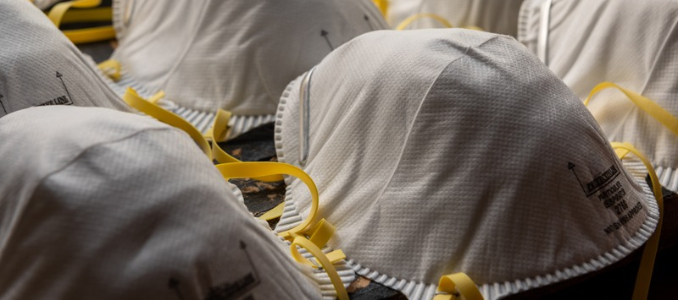
Following the baseline assessment, researchers will analyze the structural integrity and filtration efficiency of N95 respirators worn by employees. This involves comparing the theoretical protection factors of the masks against the actual protection afforded in the dusty, humid environments of the plants.
Phase Three: Ergonomic and Comfort Evaluation
A critical, often overlooked component of this research is the study of human factors. The team will assess the "comfort barrier"—the tendency for workers to remove or improperly adjust their respirators due to heat stress, facial discomfort, or difficulty communicating.

Phase Four: Expansion and Final Reporting
As the study progresses, the team hopes to expand the participant pool to include additional facilities near Savannah, Georgia. By the end of the second year, the data collected will be synthesized into a comprehensive report intended to inform future OSHA guidelines and NIOSH recommendations for the construction and concrete manufacturing sectors.
Addressing the Comfort-Compliance Gap
A significant portion of the research grant is dedicated to the psychological and physiological aspects of respirator use. In industrial settings, the physical discomfort caused by wearing an N95 mask in high-heat conditions often leads to non-compliance. When temperatures rise, sweat buildup inside the mask can irritate the skin, fog safety glasses, and increase breathing resistance, leading workers to compromise their protection by loosening straps or removing the mask altogether to breathe more easily.
Adhikari and his team aim to quantify these variables. By correlating thermal data from the plants with worker feedback and observed usage patterns, the study will help identify whether current respirator designs are sufficient for these specific work environments or if industry-wide shifts toward powered air-purifying respirators (PAPRs) or improved N95 ergonomics are necessary.
Implications for the Construction Industry
The implications of this research extend far beyond the state of Georgia. As the construction industry faces ongoing scrutiny regarding worker safety, the findings from this study could lead to more robust, data-driven best practices that could be adopted nationwide.
From an economic perspective, the cost of the $142,000 grant is negligible compared to the long-term financial burden of occupational illnesses. Medical costs for chronic respiratory conditions, combined with workers’ compensation claims and the loss of experienced labor, represent a substantial drain on the construction and manufacturing sectors. If the study successfully demonstrates that specific types of respiratory protection—or specific training protocols—can significantly reduce exposure, the industry stands to benefit from both improved worker longevity and reduced insurance premiums.
Furthermore, this research aligns with broader trends in industrial hygiene that emphasize the "Hierarchy of Controls." While administrative controls (such as rotating workers) and engineering controls (such as ventilation systems) are generally preferred over personal protective equipment (PPE), the reality of open-air or semi-enclosed concrete plants makes PPE an indispensable final line of defense. Ensuring that this defense is as effective as possible is a matter of both regulatory compliance and corporate social responsibility.

Expert Perspectives and Expected Outcomes
While the study is still in its infancy, industry observers anticipate that the results will provide much-needed clarity for safety managers. Often, safety professionals are forced to rely on manufacturer claims regarding the efficacy of PPE; having independent, peer-reviewed data from a university-led study will provide a more reliable foundation for policy decisions.
"We need to know not just what the mask is capable of in a sterile lab, but how it performs when it is covered in dust, subjected to 95-degree heat, and worn for eight hours by a person doing strenuous labor," says one industry safety consultant. "If this study can identify the specific failure points of N95s in these environments, it will force a conversation about whether the standard is enough, or if we need to upgrade the baseline requirements for concrete workers."
The researchers expect to conclude their data collection by late 2028, with preliminary findings likely to be presented at occupational health conferences shortly thereafter. The ultimate goal is to provide a blueprint for safer concrete production that acknowledges the realities of the modern workplace while prioritizing the respiratory health of the thousands of workers who sustain the infrastructure industry.
Broader Context: The Role of NIOSH
The involvement of NIOSH in this project highlights the federal government’s ongoing commitment to occupational safety in high-hazard industries. NIOSH, which operates under the Centers for Disease Control and Prevention (CDC), is responsible for conducting research and making recommendations for the prevention of work-related injury and illness.
By funding this study, NIOSH is signaling that concrete dust remains a high-priority area for intervention. As the construction industry continues to experience growth and labor shortages, the retention of a healthy workforce is more critical than ever. This study represents a proactive approach to a persistent problem, moving away from reactive policy-making and toward an evidence-based future where worker protection is integrated into the very design of the industrial process.
As Georgia Southern University moves forward with the implementation of this study, the construction and ready-mix sectors will be watching closely. If the research proves that existing respirator standards are inadequate, the industry could face a shift in safety requirements, potentially driving innovation in PPE design and setting a higher standard for the protection of workers across the nation.