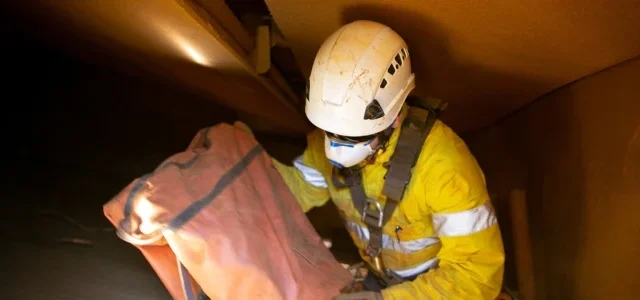


The Vulnerability Gap: Why Young Workers Face Higher Risks
Data from the Bureau of Labor Statistics (BLS) and state-level labor agencies consistently highlight a troubling trend: young workers, typically defined as those between the ages of 15 and 24, are significantly more likely to be injured on the job than their older counterparts. Several structural factors contribute to this disparity. First, there is the obvious factor of inexperience. Employees who have only recently entered the workforce may lack the "situational awareness" required to identify latent hazards—such as frayed electrical cords, unstable stacking, or dangerous equipment blind spots—that an veteran worker might notice reflexively.
Furthermore, young employees are often placed in roles that require repetitive motion or the operation of machinery, yet they may lack the cognitive maturity to recognize when fatigue or boredom is causing them to bypass safety protocols. Perhaps most importantly, the power dynamic in the workplace often discourages young people from speaking up. The desire to make a good impression, combined with a fear of being perceived as "troublesome" or "unproductive," often leads young workers to remain silent when they encounter unsafe conditions. This silence is a critical failure point in safety management, as it allows hazards to persist until an incident occurs.

A Chronology of Safety Advocacy
The issuance of this November bulletin is not an isolated event but rather part of an ongoing effort by Washington L&I to modernize workplace safety for the 21st-century youth labor force. Historically, labor laws were designed with industrial and agricultural settings in mind. However, as the economy has shifted toward retail, food service, and gig-based gig work, the nature of these hazards has evolved.
In early 2024, Washington saw a series of reports detailing non-fatal workplace injuries in the retail sector, prompting the agency to conduct a deeper analysis of the demographic data. Following these internal reviews, L&I initiated a "Safety First" awareness campaign throughout the summer, targeting seasonal employers. The November 5th bulletin serves as the latest iteration of this outreach, specifically designed to coincide with the end-of-year holiday hiring rush, a period known for increased workplace activity and, consequently, a higher frequency of workplace accidents.

Core Recommendations for Employers and Supervisors
To mitigate these risks, the Washington State Department of Labor & Industries has outlined a multi-faceted approach for employers. The agency emphasizes that safety training must be iterative rather than a one-time onboarding video.
- Hazard Communication: Employers must explicitly map out potential hazards in the work area. This includes not only physical dangers like heavy equipment but also chemical exposures or ergonomic risks associated with stocking or prolonged standing.
- Clear Instruction and Demonstration: Instructions should be delivered in plain language, followed by a "teach-back" session where the employee demonstrates the safe operation of equipment or the proper technique for a task.
- Fostering a "Speak-Up" Culture: This is perhaps the most significant cultural shift requested by L&I. Supervisors are urged to actively invite questions. By validating a young worker’s concern, managers build a rapport that encourages future communication, effectively turning a potential injury into a learning opportunity.
- Structured Supervision: For new hires, the agency recommends a period of heightened supervision. This is not about micromanagement, but about providing a safety net while the worker develops the necessary muscle memory and hazard recognition skills.
Statistical Context and Economic Implications
The economic impact of workplace injuries is substantial, both for the individual and the employer. According to the National Safety Council, the cost of work-related injuries often includes medical expenses, loss of productivity, and increased insurance premiums. For young workers, an injury can be particularly devastating, potentially leading to long-term chronic pain or, in extreme cases, the loss of ability to perform certain types of work, which can derail career trajectories before they have truly begun.

In Washington state, industries such as hospitality and retail report higher-than-average turnover rates. When employers fail to prioritize safety, they exacerbate this churn, as young workers are more likely to quit if they feel their health is at risk. Conversely, organizations that invest in robust safety training report higher levels of employee engagement and retention. By treating safety as a core business value rather than a regulatory burden, companies can create a more resilient workforce.
The Regulatory Framework and Legal Protections
Washington state maintains stringent laws regarding the employment of minors. The "Youth Employment" webpage hosted by L&I acts as a centralized hub for these regulations. It is essential for employers to remember that labor laws are not merely suggestions; they are legal requirements that dictate the number of hours a minor can work, the times of day they can be on the clock, and the types of equipment they are prohibited from operating.
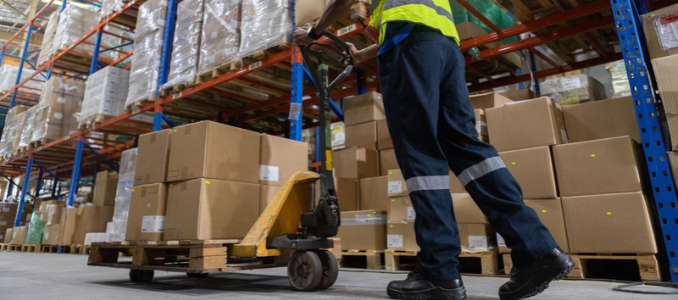
For instance, certain high-risk machinery—such as power-driven meat slicers or heavy forklifts—are strictly off-limits for employees under the age of 18 in many contexts. Ignorance of these laws is not a valid legal defense in the event of an inspection or an injury claim. Employers are encouraged to utilize the free consultation services offered by L&I. These consultations allow business owners to walk through their facilities with a safety expert who can identify non-compliant practices without the immediate threat of fines, provided the employer is willing to correct the identified issues.
Societal Responsibility and Parental Involvement
While the burden of safety rests primarily on the employer, the agency also acknowledges the role of parents and guardians. The L&I bulletin suggests that parents should engage with their working children about their daily tasks. By asking, "Did you feel safe today?" or "Were you trained on how to use that machine?" parents can help identify potential issues that their children may not yet have the vocabulary to describe as "safety hazards."
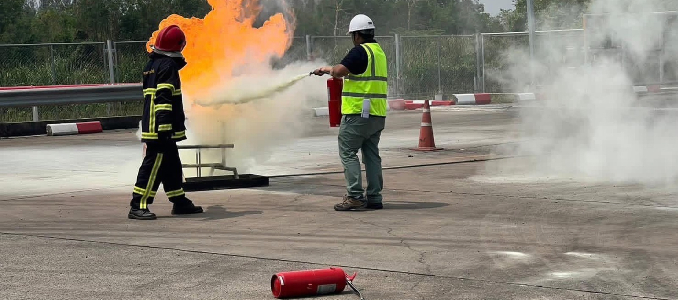
This collaborative approach—involving the regulator, the employer, the worker, and the family—is the only way to effectively lower the injury rate. The agency’s focus on clear, actionable advice is designed to strip away the complexity of safety regulations, making the core mandate—everyone returns home in the same condition they arrived—an achievable reality.
Broader Implications for the Future of Work
As the labor market tightens, the reliance on young workers is likely to persist. With the integration of new technologies, such as automated kiosks and more complex point-of-sale systems, the "hazards" of the workplace are shifting from physical to cognitive. However, the foundational principles of safety remain the same.

The Washington State Department of Labor & Industries is setting a precedent by moving beyond simple enforcement. By providing accessible resources, the agency is fostering an environment where young workers are viewed as stakeholders in their own safety. This shift in perspective is crucial for the long-term health of the state’s economy. When young people enter the workforce with a strong foundation in safety, they carry those habits with them throughout their careers, effectively raising the standard of workplace safety for the next generation.
Ultimately, the L&I bulletin serves as a timely reminder that the most valuable asset in any business is its people. For young workers, who are just beginning to navigate the professional world, the quality of their initial workplace experience will dictate their understanding of how they should be treated by future employers. By prioritizing training, open communication, and strict adherence to safety guidelines, Washington businesses can protect their most vulnerable employees while ensuring a productive and stable operational environment. For those seeking further information, the L&I Teen and Young Worker Safety & Health webpage remains the primary resource for tools, posters, and educational videos designed to empower both staff and management.