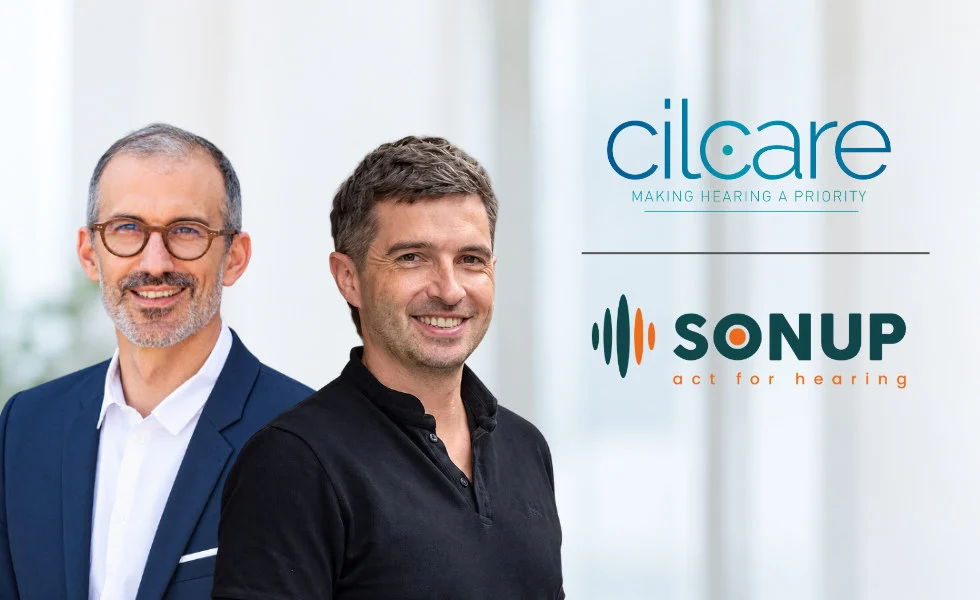
The alliance is built upon the synergistic combination of Sonup’s innovative remote hearing assessment capabilities and Cilcare’s deep-seated expertise in auditory neuroscience, therapeutic drug development, and advanced clinical data analysis. Both entities intend to harness these integrated technologies to propel research initiatives forward, particularly in the complex fields of hearing loss and tinnitus, with a clear objective of accelerating the discovery and development of novel, effective treatments. This agreement also signals the initial phase of Cilcare’s broader strategic blueprint to forge technology partnerships, specifically leveraging its proprietary Synapsound AI™ clinical analytics platform as a central hub for innovation.
Addressing the Critical Need for Enhanced Auditory Data Collection
One of the foundational objectives driving this partnership is the critical expansion of opportunities for gathering comprehensive hearing data beyond the confines of conventional clinical settings. Traditional audiological assessments typically necessitate participants to make repeated visits to a clinic or specialized research facility, which can be burdensome, time-consuming, and geographically restrictive, often leading to challenges in patient recruitment and retention for long-term studies.
Sonup has emerged as a key innovator in this space, developing a suite of digital hearing tests and assessment protocols meticulously engineered to evaluate a broad spectrum of auditory abilities. These include sophisticated measures like speech understanding in noisy environments and intricate binaural hearing capabilities. A significant differentiator of Sonup’s technologies is their capacity to empower individuals to complete these assessments independently and remotely, offering unparalleled flexibility and convenience.
This remote assessment capability holds immense promise for clinical research, where investigators frequently require the ability to monitor hearing performance longitudinally and repeatedly over extended durations. The ability to conduct these evaluations outside the clinic has the potential to dramatically reduce the logistical and personal burden associated with frequent in-person appointments. Furthermore, it opens avenues for researchers to collect invaluable, real-world data points on changes in auditory function that occur between scheduled clinic visits, offering a more dynamic and ecologically valid understanding of a patient’s hearing profile.
However, the effective implementation and clinical suitability of remote assessments are contingent upon several critical factors. These include the robust design of the tests themselves, the reliability and calibration of the equipment utilized, the control of environmental conditions during testing, and the specific clinical outcomes being measured. Recognizing these nuances, Cilcare plans to strategically integrate Sonup’s validated technologies into carefully selected clinical research protocols, with deployment tailored to the specific requirements of individual studies. Beyond this integration, the companies will also engage in joint collaboration to design and rigorously validate new, bespoke hearing assessments specifically adapted for specialized research applications, ensuring their scientific rigor and clinical utility.
The Rise of Remote Monitoring in Healthcare and Audiology
The shift towards remote healthcare solutions, including diagnostics and monitoring, has gained considerable momentum globally, a trend significantly accelerated by the recent global health crisis. Telehealth and remote monitoring technologies are increasingly viewed as essential tools for improving accessibility, efficiency, and patient engagement across various medical disciplines. In audiology, this paradigm shift is particularly pertinent given the chronic nature of many hearing disorders and the need for ongoing management and evaluation.
According to the World Health Organization (WHO), over 1.5 billion people globally experience some degree of hearing loss, and by 2050, nearly 2.5 billion people are projected to have some degree of hearing loss, with at least 700 million requiring hearing rehabilitation. Tinnitus, a pervasive auditory phantom sensation, affects an estimated 10-15% of the adult population worldwide. These staggering statistics underscore the immense public health challenge and the urgent need for more effective diagnostic and therapeutic interventions. Yet, the development of new treatments has historically been slow, partly due to the complexities of accurately measuring and monitoring auditory function in clinical trials. Remote assessment technologies, like those developed by Sonup, offer a scalable and patient-centric approach to gather critical data that could accelerate this process.
Integrating Diverse Auditory Data with AI-Powered Analytics
A second, equally crucial focus of this collaboration revolves around the sophisticated analysis of auditory measurements through Cilcare’s cutting-edge Synapsound AI™ platform, alongside an array of other pertinent clinical and biological information. This approach is rooted in the growing recognition within the scientific community that conventional audiometric thresholds alone, while foundational, often do not fully capture the nuanced complexities of an individual’s auditory difficulties or their real-world functional hearing abilities.
More comprehensive measures, such as performance in speech-in-noise tasks and precise evaluations of binaural hearing, are increasingly understood to provide invaluable supplementary information about how a person truly perceives and processes sound in everyday environments. By combining these advanced auditory measurements with other relevant biomarkers – which could include genetic markers, protein levels, or imaging data – researchers can construct a far more holistic and accurate characterization of auditory disorders. This integrated data analysis is pivotal for monitoring disease progression or stability over time and, crucially, for objectively evaluating an individual’s response to investigational treatments during clinical trials.
Cilcare firmly believes that by integrating these complementary data sources, it can significantly strengthen its own internal therapeutic development programs. Furthermore, this advanced analytical capability will provide robust support for the extensive research endeavors undertaken by its pharmaceutical, academic, and industry partners, fostering a collaborative ecosystem aimed at breakthrough discoveries.
Jérôme Geoffroy, Chief Digital Officer at Cilcare, articulated the transformative potential of this synergy: “With SONUP’s highly innovative solutions, patients can perform hearing tests at home, independently. Combined with SYNAPSOUND AI™, our clinical analytics platform, these data can be processed more rapidly and cross-referenced with other biomarkers, thereby contributing to the advancement of precision medicine.” He further emphasized that this collaboration is envisioned as the inaugural step in a series of strategic partnerships specifically designed to elevate the utility and impact of auditory data in the challenging yet critical domain of therapeutic development.
Advancing Precision Medicine in Audiology
The concept of precision medicine, which aims to tailor medical treatment to the individual characteristics of each patient, is gaining traction across various medical fields, and audiology is no exception. The integration of remote, granular auditory data with AI-driven analytics and other biomarkers is a cornerstone of this approach for hearing health. By identifying specific patient subgroups based on their unique auditory profiles and biological markers, researchers can develop and test treatments that are more likely to be effective for those individuals, moving beyond a one-size-fits-all approach. This not only increases the likelihood of successful clinical trials but also promises to deliver more targeted and impactful therapies to patients suffering from complex conditions like hearing loss and tinnitus, which often have heterogeneous etiologies and presentations.
Developing Novel Tools for Future Clinical Research
Beyond the immediate integration of existing hearing tests into current research protocols, a significant long-term facet of this partnership is the joint development of entirely new assessment methods. These bespoke tools will be specifically designed to address emerging and unmet clinical research needs. This forward-looking approach is particularly relevant as investigational treatments for various hearing disorders continue to advance, necessitating increasingly sensitive, reliable, and repeatable measures of auditory function to detect subtle therapeutic effects and track disease modification.
Maxime Balcon, CEO of Sonup, expressed enthusiasm for this collaborative innovation. He stated, “By working with CILCARE’s teams, we will be able to assess our solutions against new clinical needs while also jointly developing new assessment methods.” This symbiotic relationship allows Sonup to rigorously evaluate its technological platforms in diverse new research environments, while simultaneously contributing to the creation of next-generation assessment approaches that can push the boundaries of audiological science.
For the broader community of audiologists and hearing researchers, this partnership underscores a growing and vital interest in combining state-of-the-art functional hearing assessments with robust longitudinal monitoring and sophisticated computational analysis. This integrated strategy is paramount for fostering a deeper, more nuanced understanding of the complex pathophysiology underlying auditory disorders and for driving the development of truly transformative treatments.
Chronology and Context of Innovation
Cilcare, founded in 2014, has rapidly established itself as a leader in auditory science, focusing on both drug discovery and diagnostic technologies for hearing disorders. Its expertise spans preclinical and clinical research, supporting its proprietary therapeutic pipeline as well as collaborative programs. Sonup, established more recently in 2019, has quickly carved out a niche in digital hearing assessment, developing accessible and versatile testing solutions. Both companies are headquartered in Montpellier, France, a vibrant hub for biotech and health innovation, fostering an environment conducive to such collaborative ventures.
While the companies have not yet publicly announced specific clinical trials that will incorporate these combined technologies, nor have they provided a precise timeline for the validation or introduction of the newly developed assessments, the intent is clear: to systematically integrate these advancements into future research initiatives. Both organizations have indicated that additional joint research projects are currently under active consideration, signaling a long-term commitment to this strategic alliance.
This partnership aligns with broader trends in pharmaceutical research and development, where digital biomarkers and remote patient monitoring are becoming increasingly crucial for enhancing the efficiency and efficacy of clinical trials. The global market for digital health, including telehealth and remote monitoring, is projected to reach hundreds of billions of dollars in the coming years, driven by technological advancements, increasing healthcare costs, and patient demand for convenient, personalized care. By bringing advanced digital assessment to audiology, Cilcare and Sonup are positioning themselves at the forefront of this evolving healthcare landscape.
Broader Impact and Future Outlook
The implications of this collaboration extend far beyond the immediate objectives of the two companies. For patients, it holds the promise of more accessible, less burdensome participation in clinical trials, potentially leading to faster access to novel treatments. For researchers, it offers a powerful new toolkit for collecting richer, more comprehensive, and more frequently sampled data, leading to a deeper understanding of hearing disorders and more robust evidence for therapeutic efficacy. For the pharmaceutical industry, it could significantly de-risk drug development for hearing conditions by providing more sensitive and objective outcome measures, thereby attracting greater investment into this underserved therapeutic area.
Ultimately, the Cilcare-Sonup partnership represents a significant stride towards the future of auditory healthcare – a future where digital innovation, artificial intelligence, and deep scientific expertise converge to unlock new pathways for preventing, diagnosing, and treating hearing loss and tinnitus, thereby improving the quality of life for millions worldwide.
About Cilcare
Cilcare is a pioneering biopharmaceutical company dedicated to auditory science. Headquartered in Montpellier, France, with operations extending to the United States and Japan, the company specializes in the development of drugs and diagnostic technologies aimed at preventing and treating a wide range of hearing disorders. Cilcare conducts extensive preclinical and clinical research, both to advance its proprietary therapeutic pipeline and to support programs developed in collaboration with its esteemed industry and academic partners.
About Sonup
Founded in 2019 in Montpellier, France, Sonup is an innovative developer of hearing assessment technologies and advanced digital testing solutions. Its product portfolio encompasses hearing tests delivered through intuitive digital platforms, as well as technologies designed for seamless integration into existing audiometric equipment. Sonup serves a diverse clientele, including hearing healthcare professionals, leading research organizations, and other healthcare-related entities, with a mission to enhance access to accurate and convenient hearing evaluations.
Source: Cilcare