
Understanding the Mechanics and Limitations of Hearing Aids
At their core, hearing aids are sophisticated electronic devices. They utilize microphones to capture ambient sound, which is then processed and amplified before being delivered into the ear canal. The primary objective is to boost the volume of sounds, thereby making them audible to individuals with hearing impairments. However, the act of hearing is a multifaceted process that extends beyond mere amplification. The brain’s auditory system must be capable of interpreting these amplified sounds, discerning speech from background noise, and making sense of the acoustic environment. This intricate neural processing is a significant reason why two individuals with seemingly identical audiograms might experience vastly different outcomes with hearing aids.
The Spectrum of Hearing Loss and Its Impact
The type of hearing loss plays a crucial role in determining the potential benefit derived from hearing aids. There are three primary categories:
-
Sensorineural Hearing Loss: This is the most common form, affecting the inner ear (cochlea) or the auditory nerve pathways. It often results from aging, prolonged exposure to loud noise, genetic factors, or certain medical conditions. In cases of significant sensorineural hearing loss, the inner ear’s ability to convert sound vibrations into electrical signals for the brain may be severely compromised. Consequently, simply increasing the volume of sound might not provide enough usable auditory information for clear speech comprehension. Individuals may be able to detect that someone is speaking, but struggle to understand the actual words.

-
Conductive Hearing Loss: This type occurs when sound waves are blocked from entering or passing through the outer or middle ear. Common causes include earwax impaction, middle ear infections (otitis media), perforated eardrums, or otosclerosis. In many instances, conductive hearing loss is treatable through medical or surgical intervention. Hearing aids can offer some benefit, but addressing the underlying conductive issue is often the primary course of action.
-
Mixed Hearing Loss: As the name suggests, this involves a combination of both sensorineural and conductive components. The treatment approach for mixed hearing loss often requires a multifaceted strategy, potentially involving both medical interventions and amplification devices.
The degree of hearing loss, while important, is not the sole determinant of hearing aid suitability. A comprehensive assessment by a hearing professional must also consider the underlying cause of the hearing loss, the results of detailed audiological tests, the individual’s ability to understand speech, any relevant medical findings, and their specific communication needs and lifestyle.
Why Hearing Aids Might Not Meet Expectations
When individuals report that their hearing aids are "not working," they often articulate a range of issues. These can include discomfort, unnatural sound quality, amplification of sound without improved speech clarity, poor performance in noisy environments, or a general lack of discernible benefit. These challenges can stem from several interconnected factors:
-
Individual Hearing Needs and Auditory System Function: As previously discussed, the inherent capacity of the auditory system to process amplified sound is paramount. If the neural pathways or the inner ear’s sensory cells are significantly damaged, the brain may struggle to interpret the incoming signals, even if they are louder. This is particularly evident in cases of sensorineural hearing loss where the ability to distinguish speech nuances is diminished.
-
Physical Fit and Programming: The physical fit of a hearing aid is critical. An ill-fitting device can lead to discomfort, whistling feedback, or a perception of weak or distorted sound. This can deter consistent use, thereby limiting the potential benefits. Equally important is the programming of the hearing aid. The device must be meticulously calibrated to the individual’s specific hearing loss profile and their listening preferences. Professional fitting and ongoing fine-tuning by a qualified audiologist or hearing instrument specialist are essential to optimize performance.

-
Device Technology and Condition: The technological capabilities of hearing aids vary considerably. Modern devices incorporate advanced features such as sophisticated noise reduction algorithms, directional microphones, and connectivity options for streaming audio. The effectiveness of these features can differ, and a device that was appropriate at one time may become less so as hearing needs evolve or newer technologies emerge. Furthermore, the physical condition of the hearing aid itself is vital. Blocked microphones or wax guards, depleted batteries, charging issues, moisture damage, or malfunctioning components can all significantly impair performance. Regular maintenance and adherence to manufacturer guidelines for cleaning and care are crucial.
-
Listening Environment: The complexity of the auditory environment profoundly influences hearing aid effectiveness. Noisy settings, such as restaurants, social gatherings, or busy public spaces, present significant challenges. In these situations, multiple sound sources compete for attention, making it difficult to isolate and comprehend speech. While advanced hearing aid features can help mitigate some of these challenges, they cannot entirely replicate the ability of a healthy auditory system to filter and focus on specific sounds.
-
User Expectations and Adjustment: The transition to using hearing aids can require a period of adjustment. Sounds that have been absent or muffled for extended periods may initially sound unfamiliar or even jarring. It is common for individuals to need time to adapt to amplified sounds and for their hearing professional to fine-tune the devices as they gain experience in various listening situations. Unrealistic expectations regarding the degree of hearing restoration can also lead to disappointment.
The Importance of Professional Assessment and Ongoing Care
Given the multifaceted nature of hearing loss and the variables influencing hearing aid efficacy, a professional hearing assessment is indispensable. This evaluation typically includes:
- Audiometry: This suite of tests measures hearing sensitivity across different frequencies and the ability to understand speech at various volumes.
- Tympanometry: This test assesses the function of the middle ear.
- Otoacoustic Emissions (OAEs): These tests evaluate the health of the inner ear’s hair cells.
- Speech Recognition Testing: This measures how well an individual can understand spoken words, often in both quiet and noisy conditions.
Based on these results, a hearing healthcare professional can recommend the most appropriate hearing solution. This might involve traditional hearing aids, or in cases where hearing aids provide insufficient benefit, other options may be explored.
Beyond Hearing Aids: Exploring Alternative Solutions

When hearing aids, even when appropriately fitted and programmed, do not provide the desired level of benefit, it is time to consider alternatives. This typically begins with a comprehensive re-evaluation by a hearing specialist. Depending on the specific findings, several pathways may be recommended:
-
Medical or Surgical Treatment: For certain types of conductive or mixed hearing loss, underlying medical conditions may be treatable, potentially improving hearing without the need for amplification.
-
Assistive Listening Devices (ALDs): ALDs are supplementary tools that can enhance sound transmission in specific situations. Examples include personal amplifiers, TV listeners, and FM systems that transmit sound directly from a source (like a microphone or television) to the listener’s ear or hearing device.
-
Bone Conduction Solutions: These devices transmit sound vibrations through the skull directly to the inner ear. They are particularly beneficial for individuals with conductive or mixed hearing loss, or for those with single-sided deafness where sound cannot be transmitted through the outer or middle ear. MED-EL offers systems like the BONEBRIDGE, which bypasses the outer and middle ear entirely.
-
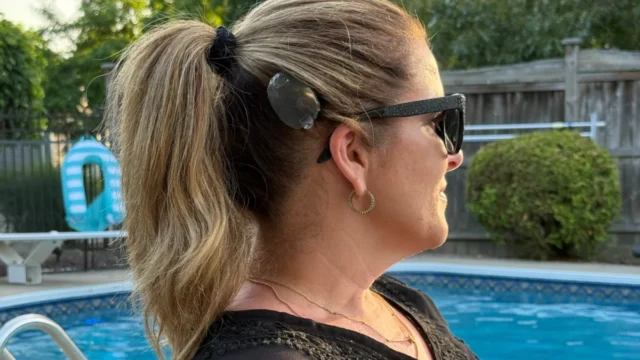
Cochlear Implants: For individuals with severe to profound sensorineural hearing loss where hearing aids offer limited benefit, cochlear implants represent a significant technological advancement. Unlike hearing aids, which amplify sound, cochlear implants bypass damaged parts of the inner ear and directly stimulate the auditory nerve with electrical signals. This process converts sound into electrical patterns that the brain can interpret as sound.
Cochlear Implants vs. Hearing Aids: A Fundamental Difference
The distinction between hearing aids and cochlear implants is crucial. Hearing aids amplify and process external sound waves. Cochlear implants, on the other hand, work by converting sound into electrical signals that then stimulate the auditory nerve. This fundamentally different mechanism makes cochlear implants a viable option for individuals whose inner ear damage is too severe for hearing aids to be effective.

However, it is important to understand that cochlear implants do not restore normal hearing. They provide access to sound, enabling improved speech understanding and communication, but the quality of hearing experienced is different from natural hearing. Candidacy for a cochlear implant is determined through a rigorous specialist evaluation that considers a multitude of factors, including the individual’s hearing history, speech understanding with hearing aids, anatomical suitability, overall health, and age. The process also involves a period of adjustment and auditory rehabilitation.
The Path Forward: A Personalized Approach
In conclusion, while hearing aids are a transformative technology for many individuals experiencing hearing loss, they are not a universal solution. Their effectiveness is influenced by a complex interplay of physiological, technological, and environmental factors. If hearing aids are not meeting expectations, the first and most crucial step is to engage with a qualified hearing professional.
A thorough re-evaluation, coupled with an open discussion about specific challenges and desired outcomes, can help identify potential issues with the current devices or programming. If, after exploring all avenues with hearing aids, significant limitations persist, a professional assessment for alternative hearing solutions, including bone conduction devices or cochlear implants, may be the most appropriate next step. The journey to improved hearing is a personalized one, and with the right guidance and technology, meaningful communication and a richer auditory experience are achievable for a vast majority of individuals.
Frequently Asked Questions
-
Do hearing aids work if you are completely deaf?
Generally, hearing aids are not effective for individuals with no usable residual hearing. The term "completely deaf" is not always medically precise, and some individuals with profound hearing loss may still benefit from hearing aids. A hearing professional can conduct tests to determine if hearing aids or another solution would be more appropriate. -
What is the 5-minute rule for hearing aids?
This rule pertains to disposable zinc-air hearing aid batteries. After removing the protective tab, waiting approximately five minutes allows oxygen to activate the battery, optimizing its performance. This does not apply to rechargeable hearing aids, and manufacturer instructions should always be followed.
-
Why do hearing aids not work for some people?
Several factors can contribute to hearing aids not working as expected. These include the type and degree of hearing loss, the individual’s speech understanding abilities, the physical fit and programming of the devices, the condition of the hearing aids, and the listening environment. Blocked components, earwax buildup, or changes in hearing can also reduce effectiveness. Persistent issues should always be discussed with a hearing care professional. -
What is the biggest problem with hearing aids?
A common challenge for hearing aid users is understanding speech in noisy environments. While hearing aids can improve speech accessibility and reduce some background noise, they cannot completely isolate conversations from surrounding sounds or restore normal hearing. Professional fine-tuning and the use of assistive listening devices can often help mitigate this issue. -
When are hearing aids not enough?
Hearing aids may be insufficient when, even after proper fitting, follow-up, and adjustments, they provide limited benefit in terms of speech understanding or everyday communication. In such cases, an updated hearing assessment may reveal the need for different settings, assistive technology, medical intervention, or an evaluation for bone conduction solutions or cochlear implants. The suitability of any alternative must be determined on an individual basis by qualified specialists.