
The study, published online May 12 in the journal Cell, utilized mouse models and human tissue samples to pinpoint the exact cells responsible for the neurological fallout of CAR-T therapy. Led by senior author Michelle Monje, MD, PhD, the Milan Gambhir Professor in Pediatric Neuro-Oncology, the research team found that the cognitive decline is independent of other cancer treatments and can be reversed through targeted pharmacological interventions. The findings offer immediate hope for improving the quality of life for cancer survivors, particularly children, whose developing brains are especially vulnerable to the long-term effects of neuro-inflammation.
The Evolution of CAR-T Therapy and the Emergence of Cognitive Side Effects
CAR-T cell therapy first gained global attention in 2017 when the U.S. Food and Drug Administration (FDA) approved its use for acute lymphoblastic leukemia. The treatment represents a pinnacle of personalized medicine: a patient’s own T cells are harvested, genetically engineered in a laboratory to express synthetic receptors that target specific proteins on the surface of cancer cells, and then reinfused into the patient. Once back in the body, these "supercharged" immune cells multiply and mount a precision attack on the tumor.
Since its initial approval, CAR-T therapy has expanded to treat various blood cancers, including multiple myeloma and certain types of lymphoma. Clinical trials are currently underway to evaluate its efficacy against solid tumors, including highly aggressive pediatric brain stem and spinal cord tumors. While the therapy has successfully induced long-term remission in patients who had exhausted all other options, the medical community has become increasingly aware of its neurotoxic potential.
In the acute phase following infusion, some patients experience Immune Effector Cell-Associated Neurotoxicity Syndrome (ICANS), which can cause tremors, seizures, or confusion. However, the "brain fog" identified in the Stanford study is a distinct, more subtle, and longer-lasting condition. "CAR-T cell therapy is enormously promising," Dr. Monje noted. "We are seeing long-term survivors after CAR-T cell therapy for aggressive cancers, saving patients who would otherwise have died. We need to understand all its possible long-term effects, including this newly recognized syndrome of immunotherapy-related cognitive impairment, so we can develop therapeutic approaches to fix it."
Research Methodology: Investigating the Roots of Brain Fog
To investigate the origins of this cognitive impairment, the research team, led by senior staff scientist Anna Geraghty, PhD, and MD/PhD student Lehi Acosta-Alvarez, conducted extensive experiments using mouse models. They sought to determine whether the cognitive decline was a direct result of the CAR-T cells themselves or a secondary reaction to the inflammation caused by the therapy’s interaction with tumors.
The researchers induced various types of tumors in mice, located in the brain, blood, skin, and bone. They then administered CAR-T cell therapy and monitored the mice’s cognitive performance through standardized tests, such as navigating mazes and reacting to novel objects. The results were striking: mild cognitive impairment occurred in almost all scenarios, regardless of whether the cancer was located inside or outside the brain. The only group that did not exhibit cognitive decline were mice with bone cancer that experienced minimal systemic inflammation beyond the localized CAR-T activity.
This led the team to conclude that the immunotherapy itself, through the systemic immune response it generates, is sufficient to cause lasting cognitive symptoms. To validate these findings in humans, the researchers analyzed postmortem brain tissue from patients who had participated in a clinical trial for spinal cord and brain stem tumors. The human samples mirrored the cellular abnormalities observed in the mice, confirming a shared pathophysiology between the species.
The Cellular Culprits: Microglia and Oligodendrocytes
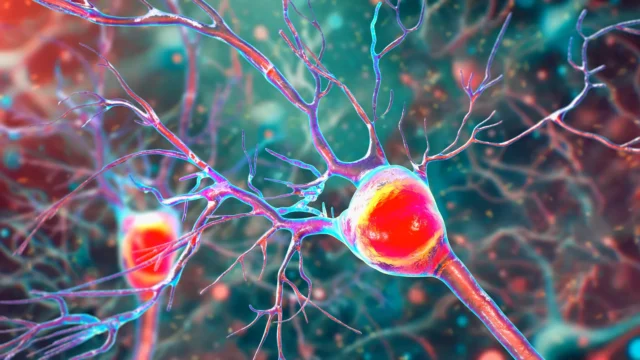
The study’s most significant contribution is the identification of the specific cellular pathway that leads to brain fog. The researchers discovered that the brain’s resident immune cells, known as microglia, are the primary drivers of the impairment. When CAR-T cells engage with cancer, they trigger a systemic "cytokine storm" or a heightened immune state. This, in turn, activates the microglia in the brain.
Once activated, these microglia enter a "reactive" or "annoyed" state, producing inflammatory molecules called cytokines and chemokines. These substances create a toxic environment for oligodendrocytes—the cells responsible for producing and maintaining myelin. Myelin is the fatty insulation that wraps around nerve fibers (axons), facilitating the rapid and efficient transmission of electrical signals throughout the brain.
When the microglia-induced inflammation disrupts oligodendrocyte function, the production of myelin decreases, and the integrity of existing myelin is compromised. This loss of insulation slows down neural communication, which manifests behaviorally as the slow processing, memory lapses, and lack of focus associated with brain fog. "Reduction in the nerves’ insulation translates into cognitive impairment," the researchers explained. This discovery links CAR-T-related brain fog to "chemo brain" and the cognitive "long-haul" symptoms seen in viral infections like COVID-19 and the flu, all of which share this microglia-mediated oligodendrocyte dysfunction.
Reversing the Damage: New Strategies for Treatment
The identification of this specific molecular pathway has opened the door to potential treatments. In their mouse models, the Stanford team tested two primary strategies to reverse the cognitive impairment.
First, they administered a compound that transiently depleted the microglia in the brain for a period of two weeks. Once the medication was stopped, the microglia repopulated the brain, but they did so in a healthy, non-reactive state. Following this "reset," the mice showed a complete recovery of cognitive function.
Second, the researchers used a medication designed to block the signals from specific chemokines that "annoy" the microglia. This drug enters the brain and interferes with the receptors that receive these inflammatory messages. "That alone rescued cognition," Dr. Monje said. Because some medications with similar mechanisms are already in clinical development or approved for other uses, the researchers believe that a treatment for human patients could be developed and deployed relatively quickly.
Implications for Pediatric Patients and Future Oncology
The study’s findings are particularly critical for the field of pediatric oncology. As CAR-T therapies are increasingly used to treat childhood leukemias and brain tumors, understanding the impact on the developing brain is paramount. Children’s brains are in a constant state of myelination and structural growth; any disruption to the oligodendrocyte population can have profound, lifelong consequences on learning and development.
"We’re deeply interested in how cancer therapies affect cognition because it affects patients’ quality of life," Monje emphasized. "And this is especially important for kids because their brains are still developing." The ability to provide a "neuro-protective" treatment alongside or after CAR-T therapy could ensure that young survivors not only beat their cancer but also maintain their full cognitive potential.
Analysis: A Unifying Principle of Neuro-Inflammation
This research marks a paradigm shift in how neuroscientists and oncologists view the side effects of modern medicine. By demonstrating that diverse triggers—ranging from chemotherapy and radiation to viral infections and cutting-edge immunotherapies—all converge on the same microglia-oligodendrocyte pathway, the study establishes a "unifying principle" for cognitive impairment.
This unification suggests that a single class of drugs could potentially treat a wide array of "brain fog" syndromes. It also highlights the importance of the burgeoning field of neuro-immunology, which explores the complex crosstalk between the body’s immune system and the central nervous system. As medicine moves toward more aggressive and sophisticated ways of manipulating the immune system to fight disease, the Stanford study serves as a vital reminder that the brain often bears the brunt of these systemic battles.
The research was a collaborative effort involving scientists from New York University’s Grossman School of Medicine and Washington University School of Medicine in St. Louis. It received support from a vast array of organizations, including the National Institutes of Health, the Howard Hughes Medical Institute, and several foundations dedicated to pediatric cancer research, such as Alex’s Lemonade Stand and the Unravel Pediatric Cancer Foundation.
As the medical community moves forward, the focus will now shift to clinical trials in humans to determine the safety and efficacy of microglia-depleting agents and chemokine blockers. If successful, these treatments will represent the final piece of the CAR-T puzzle, allowing patients to achieve both a cure for their cancer and a return to their full mental clarity. For the thousands of patients currently navigating the "fog" of survivorship, the message from Stanford is clear: the mechanism has been found, and the solution is on the horizon.