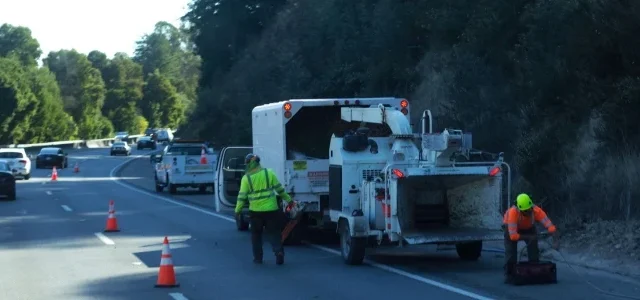

The Scope of the Problem
Parking lot safety remains a critical, albeit often overlooked, component of general industry safety standards. According to data from the National Safety Council (NSC), thousands of workplace injuries occur annually in parking facilities. These incidents range from minor fender benders to severe, life-altering pedestrian collisions. The primary hazards, as identified by TOSHA, include vehicle-pedestrian interactions, poorly maintained pavement surfaces, and inadequate lighting conditions.

The risk profile for parking lots is inherently dynamic. Unlike a controlled factory floor, a parking lot is subject to changing weather patterns, fluctuating traffic volumes, and the unpredictability of human behavior. When employees exit their vehicles, they transition from a state of being "protected" inside a chassis to becoming vulnerable pedestrians. This transition point is where the majority of incidents occur, particularly during peak arrival and departure times when visibility is often compromised.
Seasonal Factors and the "Darkness" Risk
TOSHA’s recent guidance carries particular urgency due to the seasonal shift following the end of daylight saving time. The transition to earlier sunsets significantly alters the visual environment for employees. Reduced ambient light forces drivers to rely heavily on artificial lighting, which is frequently insufficient in older parking structures or overflow lots.
The impact of darkness is two-fold. First, it diminishes the contrast between pedestrians and their surroundings, making it difficult for drivers to identify individuals wearing dark clothing. Second, it masks physical hazards such as potholes, uneven concrete, and ice patches that may have formed during the day. Furthermore, the agency noted the physiological impact of seasonal time changes. Disrupted circadian rhythms can lead to increased worker fatigue, which demonstrably impairs reaction times, peripheral vision, and decision-making capabilities. A fatigued employee is less likely to notice an oncoming vehicle or a trip hazard, turning a routine walk into a potential emergency.

Strategic Infrastructure Maintenance
To mitigate these risks, TOSHA is calling for a structured approach to facility maintenance. This includes a transition from reactive repairs—fixing things only after an incident occurs—to a preventative, scheduled inspection model.
Routine maintenance protocols should prioritize the following:
- Illumination Audits: Employers are urged to conduct "light-level" assessments around building entrances, pedestrian walkways, and crosswalks. Replacing burned-out bulbs is only the baseline; upgrading to high-efficiency LED lighting can provide better color rendering and more consistent coverage across vast surfaces.
- Surface Integrity: Potholes and alligator cracking in asphalt are not merely maintenance nuisances; they are liability magnets. Water accumulation in these depressions during the winter can freeze, creating localized black ice hazards that are nearly impossible for pedestrians to detect.
- Vegetation Management: Overgrown shrubs or trees near parking lot corners often create "blind spots" that obscure the view for both motorists and pedestrians. Regular pruning is a simple yet highly effective administrative control.
- Signage and Marking: Faded crosswalk lines and worn-out stop bars must be repainted annually. Clear, high-visibility markings serve as a psychological cue for drivers to slow down and expect pedestrian movement.
Separating Traffic from Pedestrians
One of the most effective strategies for preventing vehicular accidents is the physical separation of traffic flows. TOSHA emphasizes that wherever possible, employers should establish designated pedestrian pathways that are separated from the main drive aisles.

The use of physical barriers—such as bollards, concrete medians, or heavy-duty guardrails—provides a margin of safety that paint alone cannot offer. In areas where total separation is not feasible, such as high-traffic shipping docks or delivery zones, the agency suggests implementing "traffic calming" measures. These can include speed humps, speed tables, or clearly marked "pedestrian-first" zones that require drivers to yield the right-of-way.
For facilities that operate forklifts or heavy machinery in outdoor areas, the risk level increases exponentially. TOSHA guidance suggests that these areas should be treated with the same stringency as an indoor warehouse floor. This includes the implementation of audible alarms on mobile equipment, the use of spotters for reversing vehicles, and the strict enforcement of speed limits, which should ideally be capped at 5 to 10 miles per hour in congested areas.
Behavioral Safety and Training Initiatives
Infrastructure improvements, while vital, are only half of the equation. Human behavior remains the most variable factor in parking lot safety. Employers are encouraged to launch educational campaigns that remind staff of "defensive walking" techniques.

Key recommendations for employees include:
- Eliminating Distractions: The ubiquity of smartphones has introduced a new layer of danger. Employees should be instructed to refrain from texting or reading emails while walking through the lot.
- Establishing Eye Contact: Pedestrians should be trained to make intentional eye contact with a driver before stepping into the path of a vehicle. This confirms that the driver has acknowledged the pedestrian’s presence.
- Adhering to Marked Routes: Shortcuts taken through landscaping or between parked cars significantly increase the risk of being hidden from a driver’s view. Using designated sidewalks and marked crosswalks is non-negotiable for safety.
- Maintaining Awareness: Walking with awareness of one’s surroundings—listening for engine noise or tire movement—can provide the split-second warning needed to avoid a collision.
Broader Implications for Occupational Health
The focus on parking lot safety by regulatory bodies like TOSHA reflects a growing trend in holistic occupational health and safety (OHS) management. Traditionally, OHS programs focused primarily on the "production" side of the business—the machines, the chemicals, and the manufacturing processes. However, modern safety management systems, such as ISO 45001, emphasize a "total worker health" approach that considers the environment in which the worker operates from the moment they arrive on-site.
Legal experts note that failing to address known hazards in a company-owned or controlled parking lot can lead to significant liability. If an employer is aware of poor lighting or a history of near-misses and fails to act, they may be found negligent in the event of a serious injury. Therefore, the TOSHA advisory serves not only as a safety recommendation but also as a protective measure for the employer’s legal and financial interests.

Conclusion and Looking Forward
As businesses navigate the remainder of the year, the guidance provided by TOSHA offers a clear roadmap for enhancing safety. By integrating regular inspections, infrastructure upgrades, and robust employee training, companies can transform their parking lots from areas of liability into extensions of their safety-first culture.
Ultimately, the goal is to ensure that the safety standards maintained within the facility are mirrored outside. Whether it is addressing the long shadows of early winter evenings or the hidden dangers of uneven pavement, the responsibility remains with the employer to ensure that every worker reaches the building—and their home—safely. The proactive implementation of these recommendations will serve as a foundational step toward reducing the incident rates that currently plague many commercial and industrial workplaces across the state.