
The Clinical Context of Auditory Neuropathy Spectrum Disorder
Auditory Neuropathy Spectrum Disorder (ANSD) is a condition in which the ear successfully detects sound, but the signal is not properly transmitted from the inner ear to the brain. Unlike traditional sensorineural hearing loss, which involves damage to the hair cells in the cochlea, ANSD is characterized by a breakdown in the auditory nerve’s ability to synchronize sound signals. According to the National Institute on Deafness and Other Communication Disorders (NIDCD), the severity of ANSD can vary significantly, ranging from mild hearing sensitivity to profound deafness.
In Raiden’s case, the diagnosis manifested as moderate to severe hearing loss at specific pitches, resulting in speech and communication delays. Because the neural pathways are affected, standard hearing aids may not always provide the same clarity as they do for other forms of hearing loss. Consequently, managing ANSD often requires a multifaceted approach: medical monitoring, sophisticated amplification technology, and intensive speech-language therapy. For parents, the initial diagnosis is frequently followed by a period of trial and error as they work with audiologists to determine the most effective technological interventions, such as hearing aids or cochlear implants, while simultaneously addressing developmental lags.
Chronology of Intervention and Educational Placement
The path to finding an appropriate educational environment for children with hearing loss is often fraught with logistical challenges. For many families, the decision to seek specialized care requires balancing the convenience of local public schooling against the highly tailored resources of specialized private or non-profit centers.
Raiden’s family faced a significant decision: remain at a local preschool or commit to a daily, hour-long commute to the Listen & Talk facility. The decision-making process was informed by several key milestones:
- Post-Natal Diagnosis: Initial detection of ANSD, followed by immediate engagement with audiological services.
- Assessment of Needs: Identification of specific pitch-related hearing deficits and associated speech delays, necessitating early intervention.
- Summer Campus Review: A comprehensive site visit where the family evaluated the facility’s infrastructure, including on-site audiology booths and specialized classroom amplification technology.
- Autumn Enrollment: The commencement of the Blended Classroom program, marking a shift from traditional observation to an active, peer-integrated learning environment.
The transition to this model was not merely about access to equipment; it was about the pedagogical philosophy of integrating hearing-impaired students with typically hearing peers. This strategy is designed to create an "auditory-rich" environment that simulates real-world communication scenarios, forcing the student to develop, rather than bypass, their listening and speaking skills.
The Mechanics of the Blended Classroom
The Blended Classroom model is built upon the principle of incidental learning. In a traditional special education setting, students with hearing loss may be educated in isolation. In a blended setting, however, they are exposed to the natural linguistic rhythms, vocabulary, and social cues of their typically hearing peers. This exposure is critical for the development of oral language, as it provides a baseline for normative communication patterns.
However, the model also incorporates targeted "pull-out" sessions. In these instances, students receive focused speech-language therapy tailored to their specific needs. This dual-track approach ensures that while the student is challenged by the social and academic pace of the general classroom, they are also provided with the technical tools to bridge the gap in their understanding.
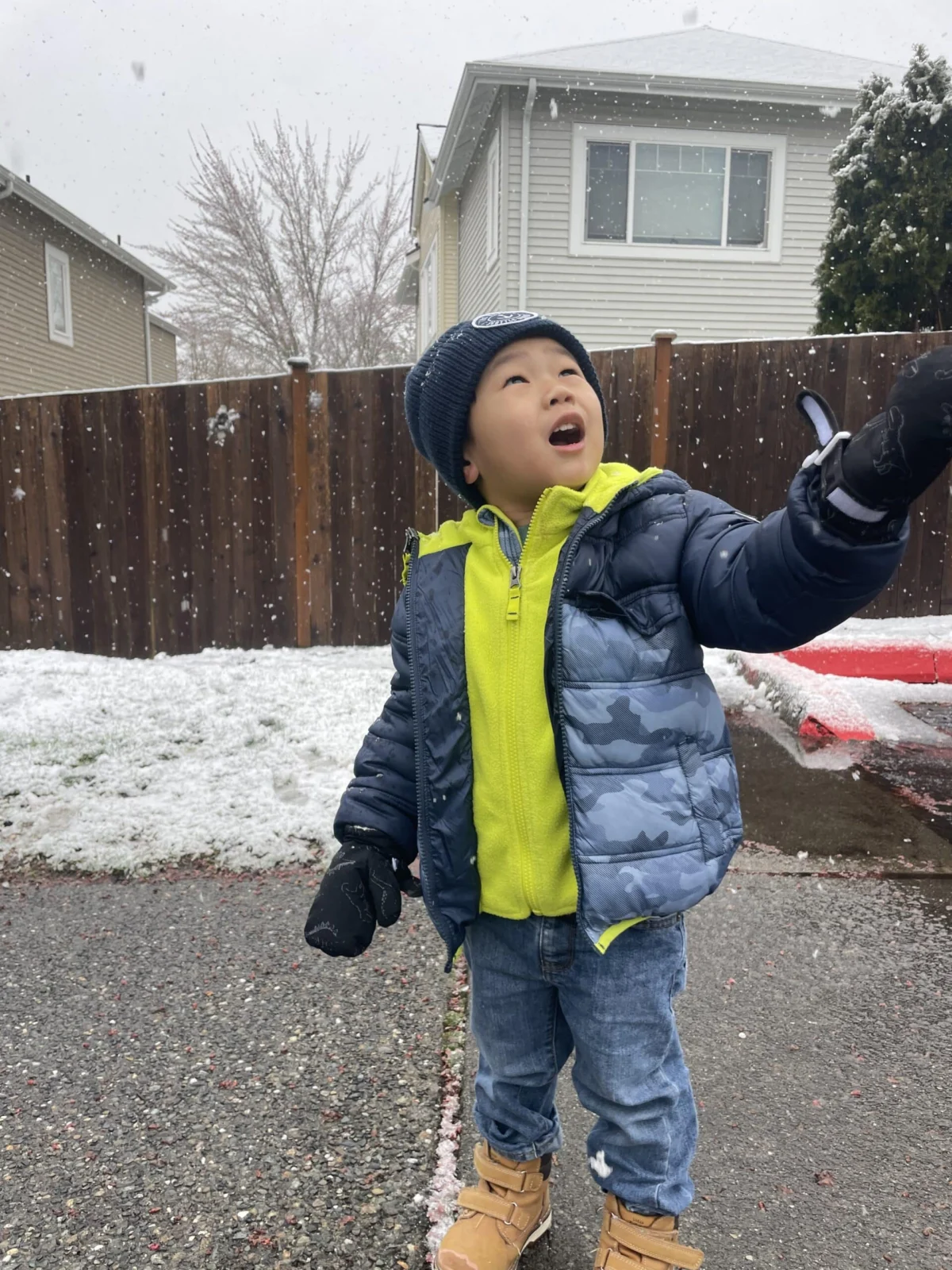
For Raiden, this approach yielded measurable results within a single academic term. His parents reported a decrease in "ear defensiveness"—a common physiological and emotional reaction among children who find their hearing aids uncomfortable or intrusive—and a marked increase in the length of his verbal phrases. The progression from one-to-two-word phrases to three-to-four-word structures is a significant developmental milestone, indicating that the combination of auditory therapy and peer-integrated learning is effectively stimulating cognitive and linguistic growth.
Data-Driven Insights on Early Intervention
The success observed in programs like Listen & Talk is backed by broader educational data. The Joint Committee on Infant Hearing (JCIH) advocates for the "1-3-6" rule: screening by 1 month of age, diagnosis by 3 months, and enrollment in early intervention services by 6 months. Research indicates that children who begin intervention before the age of six months consistently demonstrate higher levels of linguistic development compared to those who start later.
Furthermore, the integration of advocacy skills into the curriculum is a key differentiator. As children move toward primary and secondary education, they will inevitably face environments where they must communicate their needs to teachers, coaches, and peers. By normalizing the use of hearing technology and encouraging students to speak up when they cannot hear, the Blended Classroom empowers students to become their own primary advocates. This skill set is statistically linked to better academic outcomes and increased social participation in the long term.

The Broader Impact of Specialized Social Impact Enterprises
The role of social impact enterprises in the healthcare and education sector has become increasingly vital as public budgets for special education face scrutiny. Organizations like Listen & Talk serve as a bridge, providing services that might otherwise be unavailable in standard public preschool settings.
The financial structure of these organizations typically relies on a blend of tuition, public funding, and private donations. These donations are essential for maintaining the high staff-to-student ratios required for effective early intervention, as well as for funding audiology testing and parental education. For families, these support systems are often the difference between a child falling behind and a child gaining the linguistic tools necessary for mainstream academic success.
The broader implication for society is clear: early, high-quality intervention reduces the long-term reliance on state-sponsored remedial services. By investing in the "front end" of a child’s development—providing the speech therapy, audiological support, and inclusive environments necessary for growth—communities can ensure that hearing loss becomes a manageable attribute rather than a developmental barrier.
Addressing the Vision: No Child Limited by Hearing Loss
As families like Raiden’s continue to navigate the complexities of ANSD, the focus remains on the ultimate goal of independence. The success of the Blended Classroom model rests on the synergy between the family, the educators, and the clinical specialists. When these pillars are aligned, the outcome is not just improved hearing, but improved agency.
The commitment of organizations to provide these services at a high standard addresses a fundamental equity issue in education. For many, the hurdle is not just the hearing loss itself, but the lack of access to the specialized environments that turn the diagnosis into a manageable reality. Through continued philanthropic support and the refinement of inclusive pedagogical models, the goal that "no child is limited by hearing loss" moves from a vision to a measurable, achievable standard.
In conclusion, the journey of early intervention is one of persistence and precision. For Raiden, the move to a Blended Classroom has provided more than just a school; it has provided a framework for development that accounts for his specific neural needs while fostering the social connections necessary for a well-rounded childhood. As the educational landscape continues to evolve, the focus on integration and self-advocacy will remain the gold standard for supporting children with hearing loss in their early years.