A Chronology of Advocacy: From Tinnitus Week to the Festival Circuit
The momentum for this cultural shift gained significant traction in February 2026, centered around Tinnitus Week. This annual observance provided a national platform for Tinnitus UK to launch its "Amplifying Awareness" report, a comprehensive study that synthesized data from musicians, sound engineers, industry executives, and concert attendees. The report served as a clarion call, identifying a systemic need for updated safety standards within the live music ecosystem.

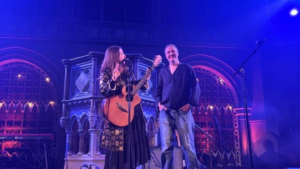
The findings of this report provided the impetus for "Quiet Night Out," a pioneering concert held at London’s Union Chapel. This event was designed as a proof-of-concept, demonstrating that sound systems could be engineered to deliver high-fidelity audio while adhering to safer decibel thresholds. The success of the event provided a blueprint for how technical adjustments in sound design—often invisible to the audience—could dramatically improve the safety of the concert environment.
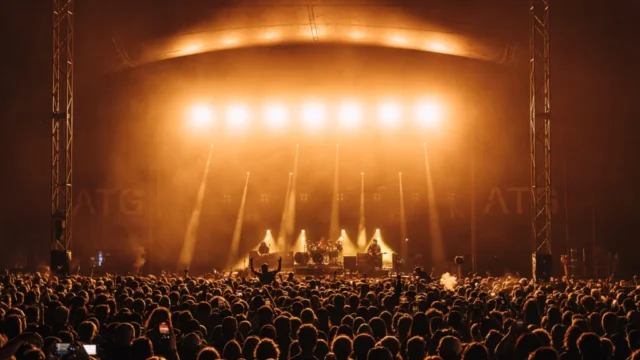
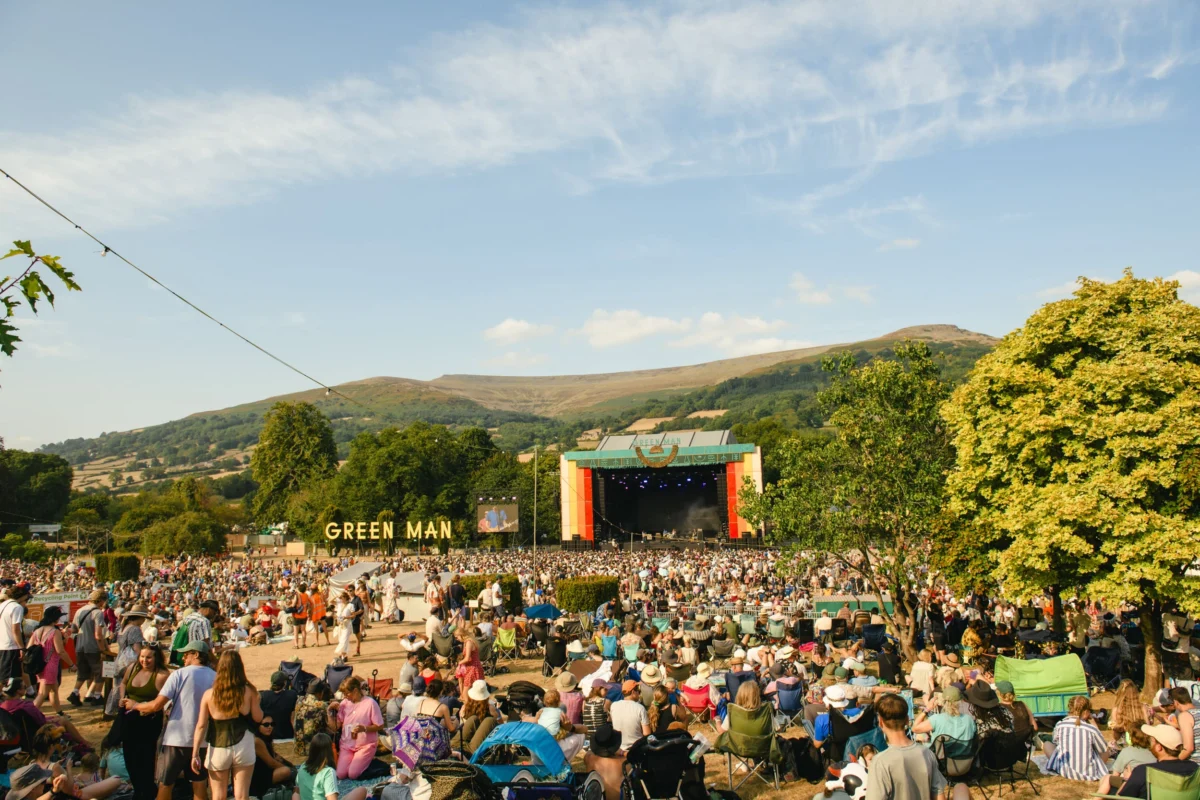
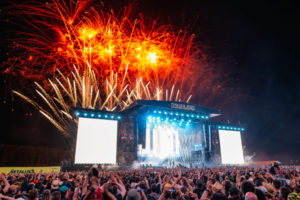
Following this successful pilot, the conversation transitioned from urban venues to the open-air festival circuit. Throughout the summer of 2026, Tinnitus UK expanded its collaborative efforts, embedding hearing health advocacy into the programming of some of the UK’s most influential music events, including Download Festival, ArcTanGent, Shambala, Green Man, and the Reading & Leeds weekend.
Data-Driven Insights and the Scale of the Challenge
The urgency of this initiative is underscored by startling statistics regarding current concert-going habits. According to data disseminated by Tinnitus UK during the Green Man Festival, approximately 92% of regular gig-goers report experiencing temporary tinnitus—often described as a ringing or buzzing sensation—in the hours following a performance. More concerning is the finding that 40% of this demographic experience persistent or recurring symptoms.
The physiological reality of these events is that prolonged exposure to high sound pressure levels (SPL) creates a cumulative burden on the auditory system. Experts note that the human ear requires periods of recovery; however, the standard multi-day festival format often prevents this, as attendees are subjected to repeated, high-intensity noise exposure without adequate respite. This cumulative "noise dose" is a critical factor in the development of permanent sensorineural hearing loss, a condition that is currently irreversible.
Implementation: The World Health Organization Global Standard
At ArcTanGent Festival, the collaboration between event organizers and the Manchester Centre for Audiology and Deafness (ManCAD) marked a technical milestone. The partnership aimed to test the real-world implementation of the World Health Organization’s (WHO) Global Standard for Safe Listening.
This implementation involved a multi-layered approach:
- Sound Level Monitoring: Real-time logging of SPL to ensure adherence to safety thresholds.
- Acoustic Infrastructure: Adjustments to sound system design to provide more uniform coverage, reducing the need for "hot spots" where volumes are dangerously high.
- Environmental Design: The formal designation of "quiet areas" within the festival grounds, allowing attendees to escape high-noise zones and facilitate biological auditory recovery.
- Operational Training: Briefing staff and security on the importance of ear protection and their role in identifying hazardous noise environments.
Dr. Samuel Couth of ManCAD emphasized that the goal is not to diminish the power of the music, but to manage the environment in which it is consumed. "Live music is a pillar of our social fabric," Dr. Couth noted. "Our objective is to integrate safety into the architecture of the festival, proving that we can protect the longevity of our hearing without compromising the artistic integrity of the performance."
The Role of Independent Festivals as Cultural Catalysts
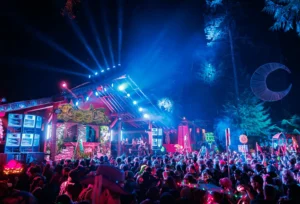
While major festivals often command the headlines, the role of independent festivals like Shambala has been equally influential in normalizing hearing health. Shambala has distinguished itself by treating hearing health as a community-wide responsibility rather than an individual burden.
The festival’s operational protocols include mandatory hearing protection zones for staff working in close proximity to PA systems, as well as clear signage to guide patrons toward safer listening distances. This approach acknowledges that the responsibility for hearing health is shared between the organizer, who controls the sound environment, and the audience, who manage their personal exposure.
One attendee, reflecting on their journey from a frequent concert-goer to a musician with chronic tinnitus, highlighted the evolution of their own habits: "Years of neglect led to permanent damage, but adopting the use of high-fidelity earplugs and consciously managing my proximity to speakers has transformed my experience. I no longer leave a show with ringing ears, and the clarity of the music is actually improved because the earplugs reduce the distortion that occurs at high volumes."
Technological Solutions: The Shift Toward High-Fidelity Protection
A significant barrier to the widespread adoption of ear protection has historically been the misconception that earplugs "muffle" the music. Modern advancements in hearing technology have largely rendered this obsolete. High-fidelity, or "filtered," earplugs are designed to reduce the overall volume of sound across all frequencies equally. Unlike traditional foam plugs, which disproportionately block high-frequency sounds and result in a muddy, dull listening experience, filtered plugs preserve the nuances, timbre, and balance of the music.
Industry experts suggest that as these devices become more accessible and culturally normalized, the resistance to wearing them will continue to wane. By positioning ear protection as a professional tool—similar to wearing sunglasses on a beach—the industry is attempting to shift the narrative from "protection as a sign of weakness" to "protection as a sign of being a sophisticated listener."

Broader Implications and Future Outlook
The implications of this movement extend far beyond the festival season. If the strategies being piloted at festivals like Download and Reading & Leeds become standardized, they could lead to a permanent shift in how live events are permitted and managed. There is growing interest in whether such guidelines could eventually influence local authority licensing requirements, potentially mandating safe-listening protocols as a condition of event permits.
However, the primary focus remains on education. The overarching message from Tinnitus UK and their partners is that individuals should be empowered to make informed choices. This includes the following actionable steps:
- Preparation: Carrying high-fidelity earplugs as an essential item, much like a ticket or phone.
- Awareness: Utilizing smartphone apps to monitor ambient noise levels during performances.
- Strategy: Planning "ear breaks" during long sets or multi-day events.
- Positioning: Recognizing that the sound pressure is often highest directly in front of the PA stacks and choosing locations that provide a balanced audio experience.
As the industry looks toward the 2027 season, the goal is to weave these practices into the very fabric of music culture. By fostering a dialogue between the engineers who craft the sound and the fans who experience it, the UK live music scene is setting a global precedent. The objective is clear: to ensure that the joy of live music remains a lifelong pursuit, sustained by a commitment to the physiological health of the audience and the professionals alike. Through ongoing research, policy advocacy, and community engagement, the music industry is demonstrating that the future of sound is not just about how loud it can be, but how safely and sustainably it can be shared.