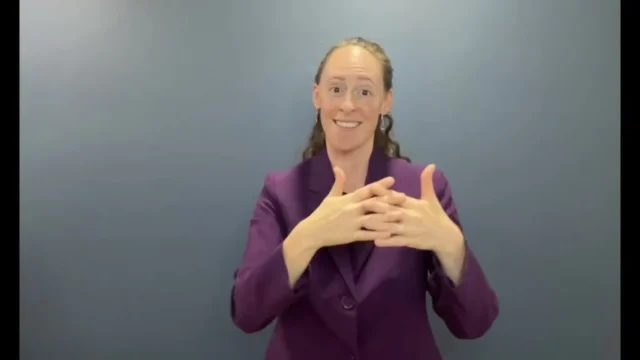
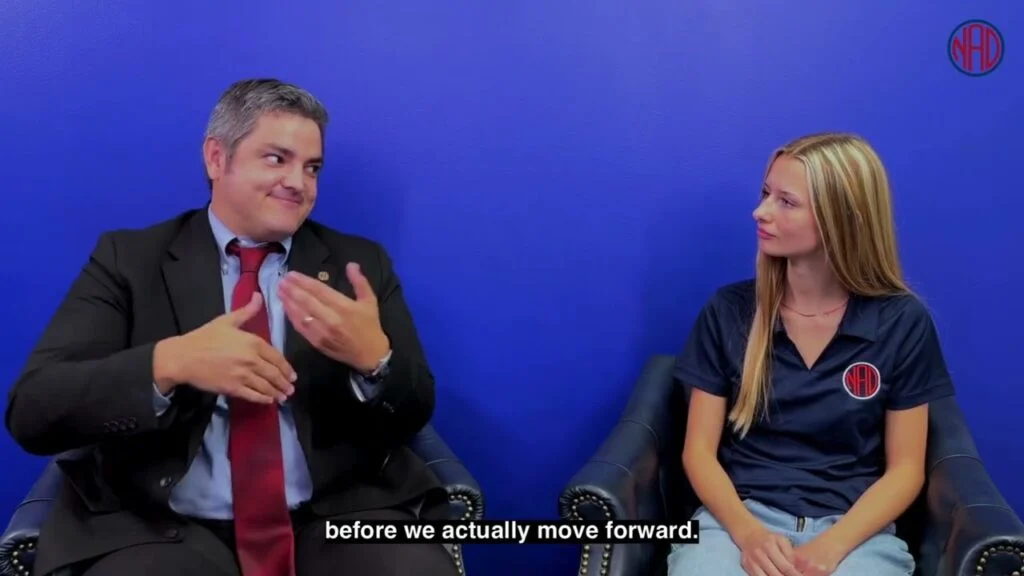
The 15-minute dialogue, which served as a public progress report on Kiego’s first 30 days in office, stripped away the traditional veneer often associated with major non-profit leadership, focusing instead on the realities of managing a small, resource-strained team tasked with serving a massive national constituency.
A Candid Assessment of Organizational Reality
Upon assuming the helm, Kiego’s primary objective has been to conduct a "deep dive" into the organization’s infrastructure. Perhaps the most striking revelation from the interview was the modest scale of the NAD’s central operations. Despite its historical significance and national reach, the organization operates with a core staff of only six individuals.
Kiego expressed a profound sense of pride in this team, describing them as "workhorses" who have sustained the organization’s legal advocacy, policy work, and youth initiatives through recent years of limited funding and minimal public recognition. This admission is a departure from the perceived image of the NAD as a vast, high-capital institution—a misconception that both Kiego and Goff acknowledged. For many in the Deaf community, the assumption that the NAD functions with massive financial reserves has often led to frustration regarding the pace of service delivery. By clarifying the reality of the organizational structure, Kiego is attempting to reset community expectations while simultaneously highlighting the urgent need for increased volunteer and financial support.
The First 30 Days: A Strategic Timeline
Kiego’s initial month in office was defined by a structured, internal-to-external approach. His timeline of transition focused on stabilizing the organization’s foundation before expanding its reach:
- Days 1–3: Fiscal Immersion. Kiego’s first priority was a comprehensive audit of the NAD’s financial health, working directly with the Chief Financial Officer and accounting team. He identified fiscal stability as the prerequisite for all future advocacy and programmatic success.
- Days 4–14: Internal Alignment. Kiego held extensive, one-on-one sessions with the directors of the Legal Advocacy Center, the Youth program, and other department heads. The goal was to listen to the history of these programs, identify systemic bottlenecks, and assess the workload of his limited staff.
- Days 15–30: External Stakeholder Engagement. Once the internal landscape was understood, Kiego began reaching out to external partners, including the Deaf and Hard of Hearing Consumer Advocacy Network (DHHCAN) and Telecommunications for the Deaf and Hard of Hearing, Inc. (TDI), to synchronize the NAD’s priorities with the broader ecosystem of disability advocacy.
Immediate Wins and Operational Adjustments
Despite the challenges, Kiego has already secured several early "wins" intended to improve organizational efficiency. One of the most pressing technical issues was the maintenance of the NAD’s digital presence; Kiego successfully onboarded a new webmaster and IT systems administrator to address persistent issues, such as broken links and outdated platform infrastructure.
Furthermore, recognizing the critical need to cultivate the next generation of leadership, Kiego collaborated with the Youth Programs Director, Claudia, to secure a volunteer grant writer specifically dedicated to the Youth program. This is a strategic move, as the NAD aims to expand its capacity to secure external funding without initially relying on its own limited internal capital.
Bridging the Generational Gap: The Role of Jr. NAD
The discussion between Kiego and Goff moved beyond administrative updates to address the long-standing challenge of youth engagement. Goff, representing the 2025–2027 cohort of Jr. NAD, highlighted a recurring sentiment among young people: a feeling of detachment from the national organization.
Goff advocated for a more integrated model where local and state chapters are empowered to collaborate more closely with the national office. She emphasized that youth engagement is not just a secondary priority but a vital pipeline for future membership and leadership. Kiego concurred, noting that the most loyal and passionate advocates in the current NAD membership often trace their roots back to early involvement in youth programming.
A central point of contention was the balance between digital and in-person engagement. Goff suggested that the NAD could leverage the digital fluency of the youth demographic—using platforms like Instagram and professional vlogging—to foster a sense of belonging. Kiego proposed a "window-and-house" strategy: using social media as a digital "window" to offer a glimpse into the organization’s work, with the goal of inviting the community "inside the house" for in-person conferences and summits where the depth of Deaf culture and advocacy is fully realized.
Future Focus and the Need for "People Power"
Looking ahead, Kiego’s agenda for the next several months remains laser-focused on three core pillars: stabilizing finances, optimizing staff effectiveness, and strengthening the "Big Three" programs—Legal Advocacy, Policy Work, and Youth Programming.
However, Kiego was clear that the NAD cannot reach these goals under its current resource model. He issued an open call for specialized volunteer support. Specifically, the organization is looking for:
- Retired Legal Professionals: To assist with intake and prospective client support.
- Policy Experts: To contribute to ongoing advocacy in telecommunications and educational reform.
- Communications Support: To help bridge the gap between the organization’s work and the community’s awareness.
Analysis: Implications for the Deaf Community
The transparency displayed in this interview suggests a fundamental shift in the NAD’s public relations strategy. By moving away from the "perfect, golden" image that Kiego noted he wishes to avoid, the organization is pivoting toward a more vulnerable, collaborative model.
The implications of this strategy are two-fold. First, it places a higher level of responsibility on the community. By admitting that the CEO is currently handling membership emails due to a lack of staff bandwidth, Kiego is effectively crowdsourcing the sustainability of the organization. If the community expects more from the NAD, they must participate in its maintenance. Second, it creates a risk: if this period of "grace and patience" requested by the CEO does not yield visible results in the coming year, the organization may face further skepticism.
However, the collaboration between the new leadership and the Jr. NAD ambassador indicates a willingness to modernize the organization’s approach to intergenerational communication. The success of this transition will likely depend on whether Kiego can effectively convert the current community goodwill into tangible, sustained volunteerism and financial support.
As the NAD moves toward the end of 2026, the focus will remain on whether these small, incremental steps—such as securing a new grant writer or improving website functionality—can translate into the large-scale advocacy and legal victories that have historically defined the organization’s mission. For now, the message from Silver Spring is one of cautious optimism, characterized by a renewed emphasis on transparency, collective effort, and the vital necessity of investing in the youth who represent the future of the Deaf community.