Early Diagnosis and Intervention Chronology
Wendorf’s clinical journey began in early 2008 when he was just four months old. Medical professionals identified bilateral sensorineural hearing loss, a condition where the inner ear or the nerve pathways from the inner ear to the brain are damaged. This form of hearing loss is permanent and often requires immediate intervention to ensure the development of auditory and speech pathways.
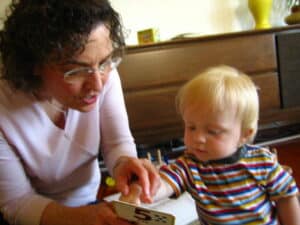
At six months of age, Wendorf entered the Listen and Talk program, an organization specializing in auditory-verbal therapy and education for deaf and hard-of-hearing children. He remained within the program’s developmental ecosystem through his completion of the Blended Classroom PreK curriculum. This intensive period of early intervention is widely recognized by pediatric audiologists and developmental specialists as the "golden window" for language acquisition. By focusing on listening and spoken language skills, the program provided Wendorf with the foundational communication tools necessary to thrive in general education environments.
The Genetic Complexity of Barakat Syndrome
For more than a decade, Wendorf’s hearing loss was managed as a primary condition. However, at age 12, a significant diagnostic development occurred. Genetic testing revealed that his hearing impairment was a symptom of Barakat Syndrome, also clinically known as HDR syndrome.
Barakat Syndrome is an extremely rare autosomal dominant genetic disorder caused by haploinsufficiency of the GATA3 gene, located on chromosome 10p14. The acronym "HDR" stands for the hallmark clinical triad of the condition: Hypoparathyroidism (which affects calcium and phosphorus regulation), sensorineural Deafness, and Renal (kidney) disease.
The identification of this genetic marker provided the Wendorf family with essential clinical clarity. The GATA3 transcription factor plays a vital role in the embryonic development of the parathyroid glands, the inner ear, and the kidneys. By identifying this underlying cause, medical professionals were able to tailor Wendorf’s ongoing health management to address potential complications associated with parathyroid and renal function, moving beyond the singular focus on auditory health.
Cultivating Talent Through Performing Arts
Despite the clinical requirements imposed by his genetic profile, Wendorf’s personal history is defined by a consistent pursuit of extracurricular engagement. Developmental psychologists often note that children with hearing loss who receive early, consistent intervention are more likely to participate in peer-led activities, and Wendorf’s childhood was characterized by an active involvement in sports.
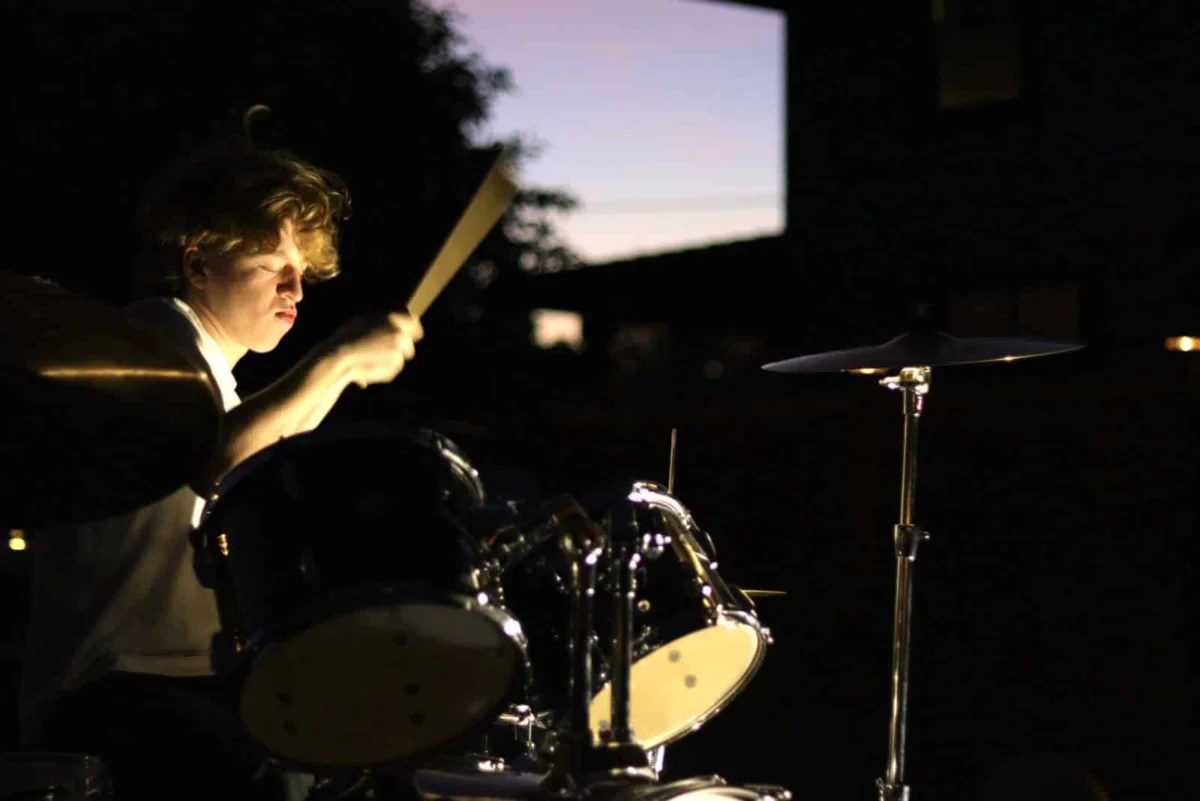
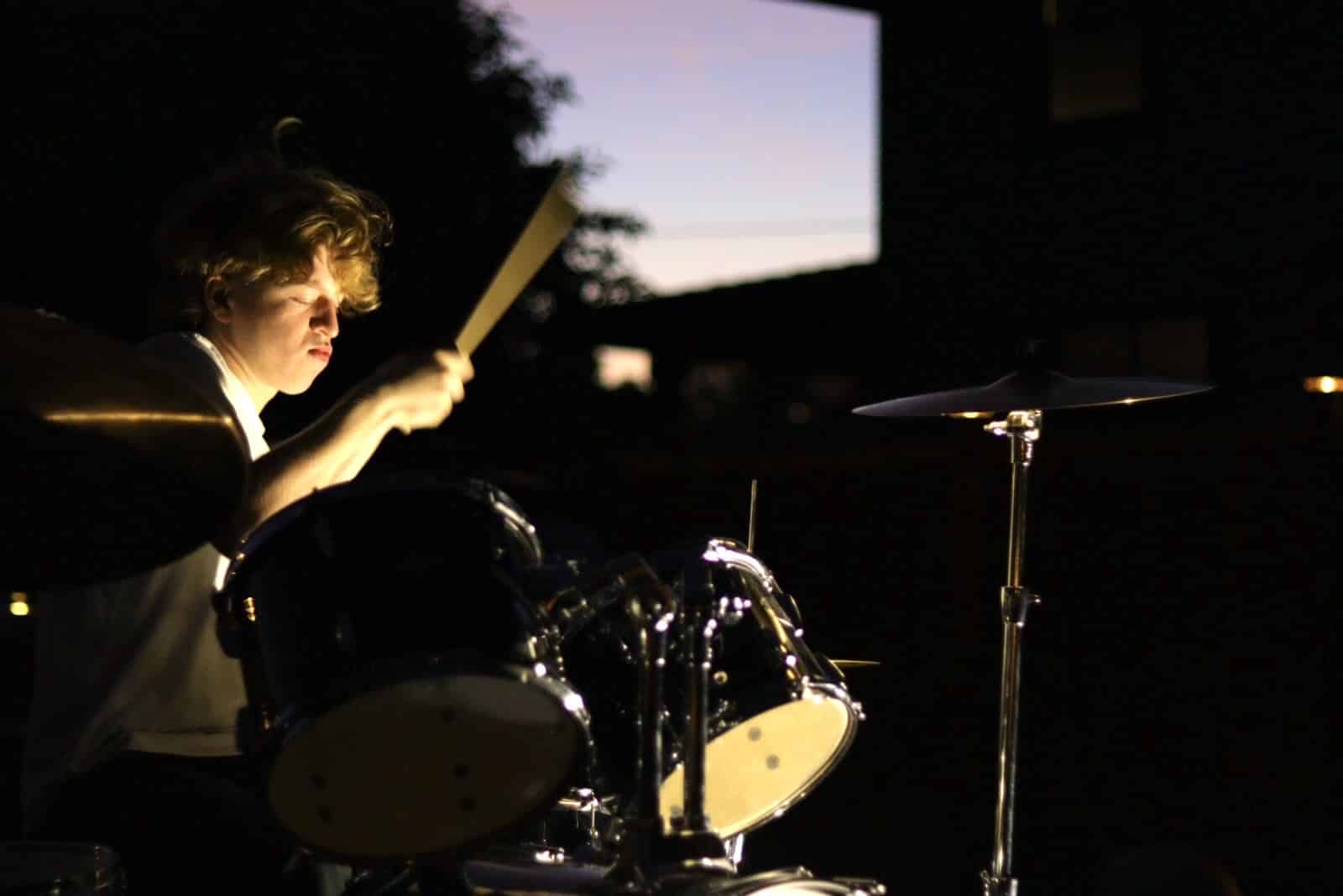
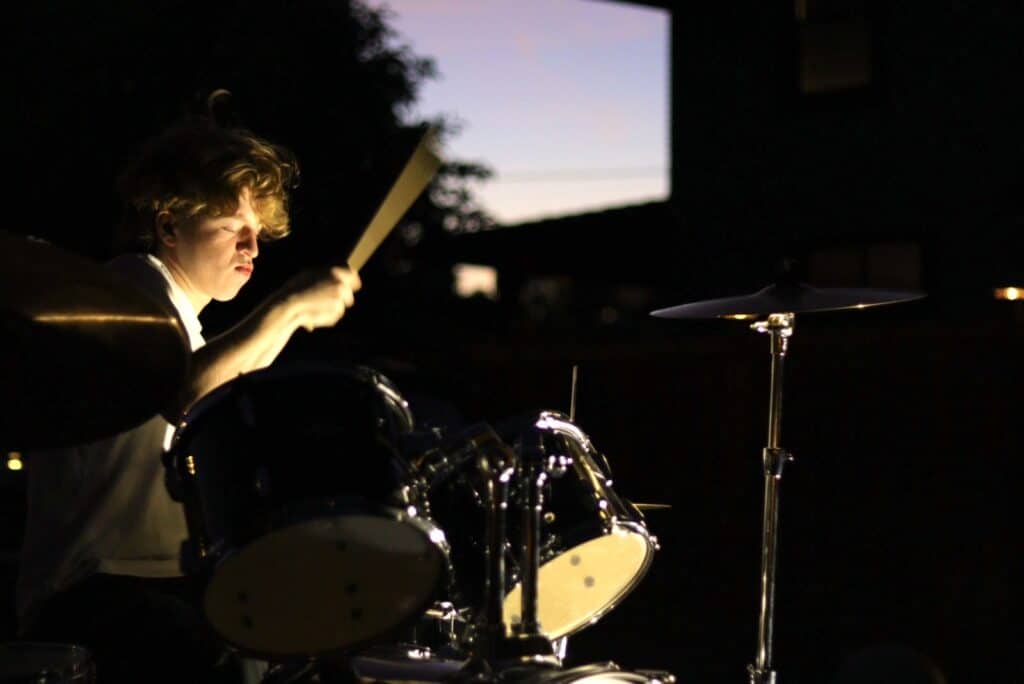
His transition into the performing arts, however, marked a significant shift in his self-expression. He immersed himself in improv comedy and theater, ultimately securing lead roles in multiple stage productions. Beyond acting, Wendorf demonstrated a high degree of self-directed learning, mastering both the drums and the guitar. These creative pursuits are indicative of an individual who has successfully integrated his auditory experience with a robust ability to navigate complex, non-verbal social cues and rhythmic environments.
The Impact of Specialized Educational Frameworks
The success of Wendorf’s transition from early intervention to post-secondary independence is not an isolated phenomenon. Data from the National Center for Hearing Assessment and Management (NCHAM) suggest that children who receive early intervention services—typically before the age of six months—demonstrate significantly higher language performance scores compared to those who do not.
Listen and Talk, the program where Wendorf received his early education, operates on the philosophy that hearing loss does not have to equate to a limitation of potential. By providing a "blended" environment, the program mirrors the realities of a hearing-dominant world while providing the necessary scaffolding for students to develop self-advocacy skills. For Wendorf, this meant learning to navigate his hearing loss in a way that did not preclude him from seeking a career in the highly competitive arts sector in Los Angeles.
Perspectives on Advocacy and Self-Reliance
Reflecting on his experiences, Wendorf highlights the psychological importance of community. In a statement regarding his transition to independent life in California, Wendorf noted, "Listen and Talk showed me that in a world where it feels like there aren’t many people like me, I am not alone. Even if it feels like no one else is going through what I go through, I take comfort knowing that there are others successfully pursuing their dreams too."
His parents echo this sentiment, emphasizing that the program’s value extended beyond speech therapy. They credit the organization with fostering a "grounded sense of self," which they define as the ability to advocate for one’s needs in a hearing-centric society while maintaining the confidence to take risks. This dual ability—to articulate personal requirements for accessibility while pursuing high-level professional goals—is often cited as the ultimate metric of success in pediatric hearing health programs.
Broader Implications for Genetic Health and Education
The synthesis of Wendorf’s story provides a roadmap for the integration of medical, educational, and emotional support systems. The identification of conditions like Barakat Syndrome at a young age allows for proactive management, but as Wendorf’s case illustrates, the clinical diagnosis is only one component of the child’s development.
The broader implications for the field of early intervention involve the continued need for funding and resources to support programs that go beyond basic clinical requirements. As advancements in genetic screening become more accessible, more families will face the complexities of rare diagnoses like GATA3 mutations. The need for comprehensive, wrap-around services—which include psychological support for the family and specialized training for the child—is expected to grow.
Looking Toward the Future
Following his graduation from Renton High School in June 2024, Wendorf’s relocation to Los Angeles marks the beginning of his professional career. His trajectory serves as a point of reference for other families currently navigating the early stages of a child’s hearing loss diagnosis.
The Alumni Family Giving Campaign, currently being promoted by Listen and Talk, seeks to leverage success stories like Wendorf’s to secure the future of the program. By providing financial support, the campaign aims to ensure that future cohorts of children have access to the same resources that facilitated Wendorf’s development. The institutional goal remains the same as it was when Wendorf first enrolled: to ensure that no child is limited by hearing loss.
Ultimately, Wendorf’s transition from a student at a specialized center to an artist living independently in a major cultural hub serves as evidence of the long-term efficacy of the Listen and Talk model. By focusing on the intersection of human potential and adaptive support, the organization has contributed to a life trajectory characterized by autonomy, ambition, and the successful navigation of both medical and professional challenges. As Wendorf continues to build his career, his story remains a powerful reminder of the lasting impact of early, consistent, and compassionate intervention.