The Genesis of a Movement: Tinnitus Week 2026
The institutional push for safer listening environments gained significant momentum in February 2026 during Tinnitus Week. This annual campaign, which serves as a platform for advocacy and research dissemination, moved beyond simple awareness-raising to address the structural requirements of the live music industry. The central pillar of this year’s campaign was the release of the "Amplifying Awareness" report.

The report acted as a catalyst for industry-wide introspection, synthesizing feedback from stakeholders ranging from touring musicians to front-of-house sound technicians. The document highlighted a critical tension: while audiences demand immersive, high-volume experiences, the physiological cost of prolonged exposure to high decibel levels—often exceeding 100 dB—is leading to a rise in tinnitus and noise-induced hearing loss (NIHL). The campaign’s inaugural "Quiet Night Out" concert at London’s historic Union Chapel served as a practical demonstration of these findings. By utilizing controlled sound reinforcement and providing high-fidelity ear protection, the event proved that the auditory quality of a performance can be maintained, or even enhanced, while staying within the World Health Organization’s (WHO) safe listening parameters.
A Chronology of Engagement: From Main Stages to Independent Festivals
Following the success of the initial February advocacy, the mission expanded throughout the 2026 festival season. The strategy was to meet music fans where they are, integrating education into the festival experience rather than positioning it as an external, restrictive mandate.
In early summer, the initiative gained a major foothold at Download Festival. As one of the UK’s premier heavy metal and rock events, Download provided a high-stakes environment to test the efficacy of hearing health messaging. Here, the focus was on direct engagement, providing fans with the tools and information necessary to manage their exposure over a multi-day event.
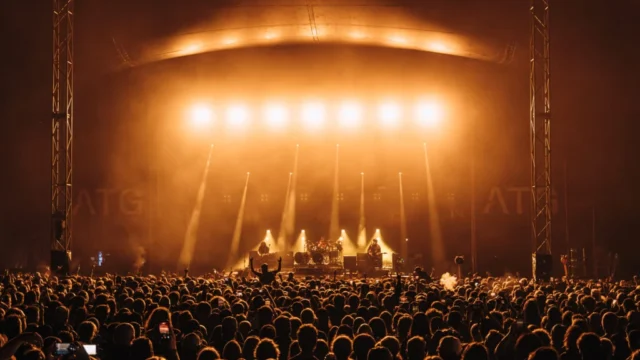
By the time ArcTanGent Festival arrived, the initiative had evolved from simple messaging to rigorous implementation. In collaboration with the Manchester Centre for Audiology and Deafness (ManCAD), the festival adopted the WHO’s Global Standard for Safe Listening. This included a comprehensive suite of measures: real-time sound level monitoring, optimized sound system design, the establishment of dedicated "quiet zones" for auditory recovery, and specialized training for festival staff to recognize and manage noise risks. This data-driven approach allowed researchers to collect qualitative feedback from artists and technical crew, establishing a framework that could theoretically be exported to other large-scale events.
Statistical Context: The Scope of the Challenge
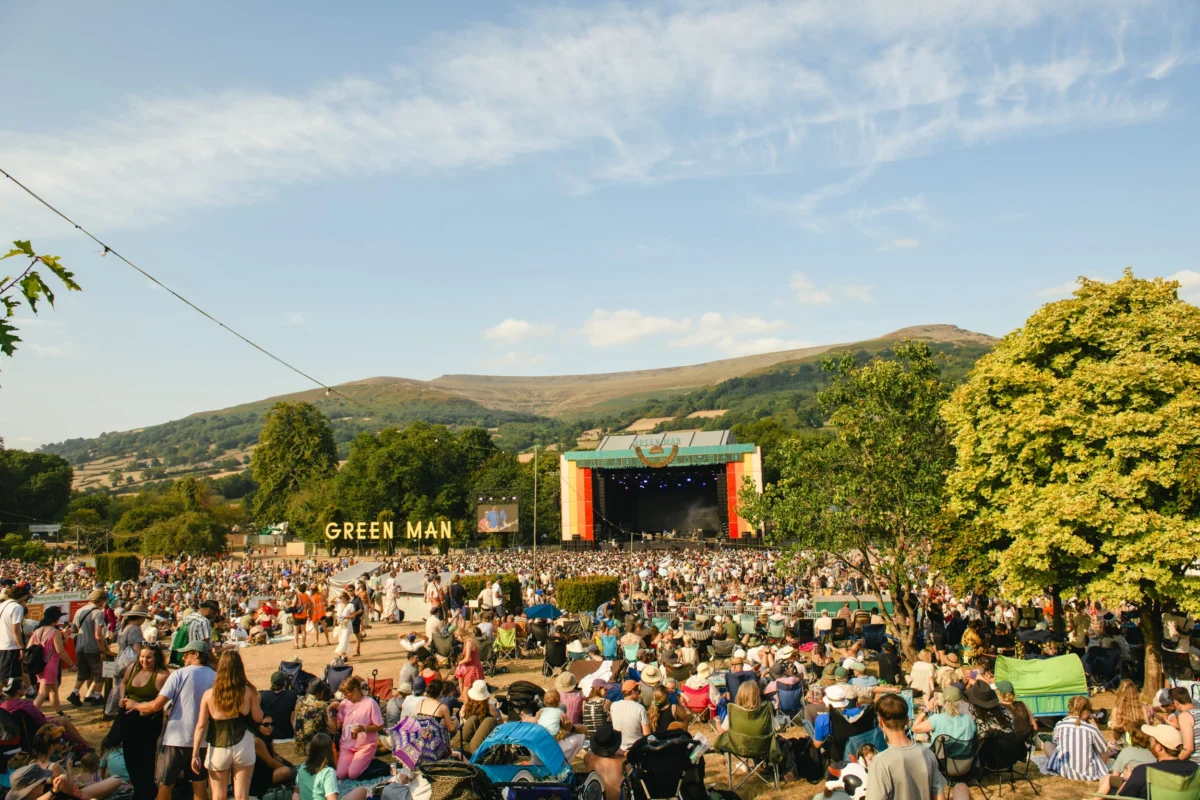
The urgency of this initiative is underscored by data collected throughout the 2026 season. Tinnitus UK’s engagement efforts at festivals like Green Man revealed a sobering reality regarding the habits of modern concert-goers. Surveys conducted during the festival indicated that 92% of regular gig-goers have experienced temporary tinnitus—a ringing or buzzing sensation—following a performance. More concerning, 40% of those surveyed reported that this ringing persisted, suggesting a significant portion of the audience is experiencing cumulative, potentially permanent, auditory damage.
The implication is clear: the current "volume-first" model of live sound is not sustainable for the long-term hearing health of the consumer base. When analyzed alongside the 2026 report findings, it becomes evident that the industry faces a potential crisis of accessibility. If a significant demographic of fans is forced to step away from live music due to the onset of chronic tinnitus or hearing loss, the long-term viability of the sector is compromised.
Official Responses and Stakeholder Perspectives
The industry’s response to these findings has been largely collaborative. Dr. Samuel Couth, a leading lecturer at ManCAD, emphasizes that the goal is not to suppress the volume, but to manage it with precision. "Live music is such an important part of our culture," Couth noted. "We want to put hearing health into practice, while recognizing that enjoying loud music and protecting your hearing do not have to be mutually exclusive."
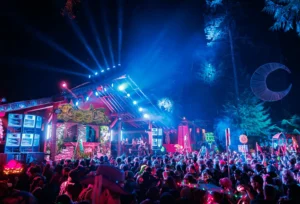
At the independent level, the response has been equally proactive. Shambala Festival, recognized for its commitment to community and creative expression, has integrated hearing protection into its operational standard. Their approach includes mandatory hearing protection zones for staff working near PA systems and the use of prominent warning signage for attendees. A recurring theme in statements from the Shambala organizing team is the recognition of hearing as a "renewable resource" that must be managed to ensure the future of the art form.
One attendee, reflecting on their journey from a casual concert-goer to someone living with permanent tinnitus, provided a compelling testimony to the effectiveness of these measures. "I no longer come home from events with ears ringing heavily for hours," the attendee noted. "This has enabled me to create music with closer attention to detail and become more aware of the risks of continued exposure." This individual experience echoes the broader sentiment that informed choice is the most powerful tool for preservation.
Broader Implications: The Future of Live Sound
The work carried out at Reading & Leeds Festival in late 2026 marked the culmination of the year’s efforts. By providing specialists to speak directly with festival-goers, the initiative addressed the specific challenge of "cumulative exposure." For fans attending three or four days of back-to-back performances, the ears are rarely given the opportunity to rest. The message here was distinct: the industry is not asking fans to sacrifice the "front row" experience, but to supplement it with high-fidelity filtered earplugs.
These devices represent a technological bridge between safety and enjoyment. Unlike traditional foam plugs that muffle sound, high-fidelity models reduce the volume across all frequencies, maintaining the balance and clarity of the performance while bringing decibel levels down to a safe range.
From a policy perspective, the implications of these pilot projects are significant. If the standards established at ArcTanGent and the educational initiatives at Reading & Leeds become industry benchmarks, the UK could set a global precedent for safer live music environments. The movement is essentially advocating for a "culture of care" that permeates the entire supply chain of the live music industry—from the acoustic design of festival stages to the retail availability of protective gear at merchandise stands.

As the industry moves toward 2027, the focus is expected to shift from initial advocacy to the formal adoption of these best practices. The success of the 2026 season demonstrates that when the industry provides the infrastructure for safety—such as accessible quiet areas and high-quality earplugs—audiences are more than willing to engage in protective behaviors.
Ultimately, the goal is to shift the perception of hearing protection from a clinical necessity to a lifestyle choice, much like wearing sunscreen at an outdoor event. By embedding this awareness into the fabric of the festival experience, the UK music sector is taking a decisive step toward ensuring that the next generation of fans can continue to enjoy the visceral, high-impact power of live performance without the long-term consequence of hearing loss. The data, the expertise, and the industry willpower are now aligned; the challenge for the coming years will be to ensure these measures become the standard, rather than the exception, in the global live music landscape.