The Growing Global Burden of Hearing Impairment
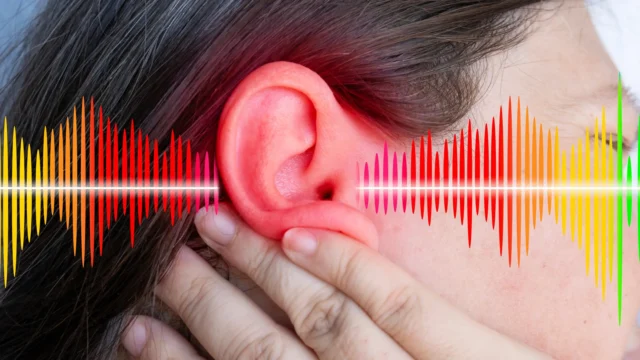
According to the World Health Organization (WHO), the scale of hearing impairment is set to expand dramatically over the coming decades. Projections suggest that by 2050, nearly 2.5 billion people worldwide will live with some degree of hearing loss. Currently, more than 25% of individuals over the age of 60 suffer from what is classified as "disabling" hearing impairment. Beyond the immediate frustration of communication difficulties, hearing loss is increasingly recognized as a primary modifiable risk factor for dementia and other forms of cognitive impairment.
The UNIGE study highlights that the risk of cognitive decline may be two to three times higher for those with significant hearing loss compared to those with normal hearing. The challenge lies in the "invisible" nature of the disability; while physical ailments are often addressed promptly, hearing loss is frequently dismissed as a natural, albeit inconvenient, part of aging. However, the biological and psychological consequences are far-reaching. When the brain receives degraded auditory signals, it must work harder to process information, a phenomenon known as "cognitive load." Over time, this increased effort can deplete the cognitive reserves necessary for memory and executive function.
Methodology: The SHARE Study and Longitudinal Analysis
To investigate the nuances of this decline, the UNIGE research team—comprising experts from the Lifespan Developmental Psychology Lab and the Cognitive Ageing Lab—utilized data from the Survey of Health, Ageing and Retirement in Europe (SHARE). Launched in 2002, SHARE is a massive longitudinal survey that tracks the health, socio-economic status, and social networks of Europeans aged 50 and older.
The study analyzed data from 12 countries, including Switzerland, providing a representative cross-section of the European aging experience. Participants were monitored every two years, providing a "chronological movie" of their aging process rather than a mere snapshot. The researchers focused on various metrics, including:
- Objective Social Isolation: Measured by the frequency of contact with family and friends and participation in community activities.
- Subjective Loneliness: Measured by how individuals perceived their social connections and whether they felt a lack of companionship or felt "left out."
- Cognitive Function: Assessed through standardized tests of episodic memory, such as immediate and delayed word recall exercises.
"We used data representing a sample of 33,000 people," explained Andreas Ihle, assistant professor at the Lifespan Lab and director of the study. "The longitudinal nature of the SHARE data allowed us to observe how memory performance changed over time in relation to the participants’ hearing health and social circumstances."
Identifying the Three Social Profiles
A core innovation of the UNIGE research was the classification of participants into three distinct profiles based on their social and psychological states. This allowed the team to move beyond the binary of "isolated" or "not isolated."
- The Integrated Profile: Individuals who were neither socially isolated nor felt lonely. These participants served as the control group and generally showed the slowest rates of cognitive decline.
- The Isolated and Lonely Profile: Individuals who lacked regular social contact and also subjectively felt a sense of deep loneliness. While this group was expected to be at high risk, the researchers found that their decline was often already being monitored by social services or family due to their visible isolation.
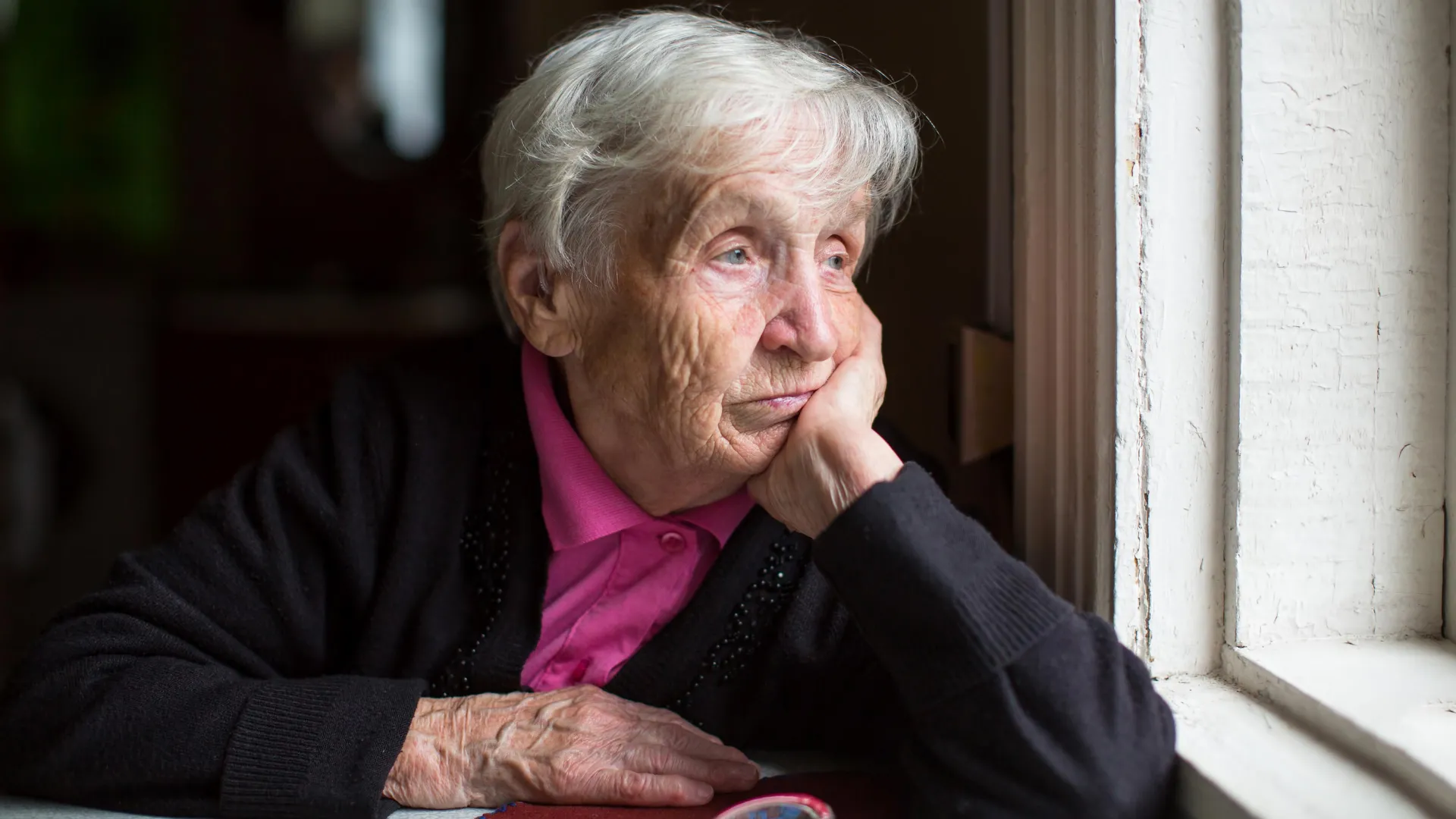
- The Subjectively Lonely Profile: Individuals who were not socially isolated—meaning they had regular contact with others—but who nonetheless felt lonely. This group proved to be the most vulnerable when hearing loss was introduced into the equation.
The study found that the combination of hearing loss and subjective loneliness acted as an "explosive cocktail" for the brain. Interestingly, the acceleration of cognitive decline was most pronounced in the third group—those who were socially active on paper but felt emotionally disconnected.
The Psychological Mechanism: Why Feeling Lonely Matters
The distinction between objective isolation and subjective loneliness is vital for understanding the study’s implications. Social isolation is a physical state of being alone, whereas loneliness is a distressing feeling that occurs when one’s social relationships are perceived as being less than desired.
"While some studies have suggested that this might be a promising avenue, very few research teams have actually explored the specific interaction between subjective feelings and sensory loss," noted Charikleia Lampraki, a postdoctoral researcher at UNIGE and the study’s first author.
When an individual suffers from hearing loss, they may still attend family dinners or community meetings. However, the inability to follow conversations or participate in jokes leads to a "crowd-induced loneliness." They are physically present but psychologically absent. This dissonance creates a unique form of stress that, when combined with the sensory deprivation of hearing loss, significantly speeds up the atrophy of memory-related brain regions.
Expert Analysis and Institutional Responses
Matthias Kliegel, a full professor in the Cognitive Ageing Laboratory at UNIGE and co-author of the study, emphasized that the findings should change how clinicians view elderly patients. "We found that people who were not socially isolated but who felt lonely saw their cognitive decline accelerate when they were deaf," Kliegel stated.
Geriatric health advocates and organizations like the Alzheimer’s Society have long argued for earlier interventions in hearing health. Following the publication of this study, several European health experts have called for a "multi-modal" screening process. This would involve not just testing an older adult’s hearing, but also administering psychological surveys to gauge their sense of belonging and emotional health.
From a public health perspective, the implications are clear: treating hearing loss is not just about restoring sound; it is a neuroprotective intervention. If an individual is socially integrated, removing the sensory barrier of hearing loss can immediately reinforce their engagement and protect their cognitive health.
Broader Impact: The Case for Preventive Hearing Care
The research supports a compelling case for early and preventive hearing care as a standard of geriatric medicine. Currently, there is a significant lag—often up to ten years—between the onset of hearing loss and the acquisition of a hearing aid. This delay is attributed to several factors:
- Cost: In many healthcare systems, hearing aids are expensive and not fully covered by insurance.
- Stigma: Many older adults associate hearing aids with frailty and aging, leading them to hide their impairment.
- Lack of Awareness: There is a general lack of knowledge regarding the link between hearing and brain health.
The UNIGE study suggests that simple hearing interventions could be a cost-effective way to mitigate the rising tide of dementia. "These individuals are already socially integrated, so it’s a matter of removing a sensory barrier in order to reinforce their engagement," concludes Lampraki. By addressing the sensory impairment, society can help older adults maintain the "quality" of their social interactions, which in turn preserves their cognitive faculties.
Conclusion and Future Directions
The University of Geneva’s research serves as a wake-up call for healthcare providers and policymakers. As the 2050 deadline for the WHO’s hearing loss projections approaches, the need for integrated health strategies becomes more urgent. The study proves that memory is not just a function of biology, but also a reflection of our sensory connection to the world and our emotional connection to others.
Future research is expected to delve deeper into whether specific types of hearing aids (e.g., cochlear implants versus standard aids) or digital communication tools can alleviate the "subjective loneliness" identified in this study. For now, the message remains clear: protecting the ears is a vital step in protecting the mind. Ensuring that older adults can hear their loved ones is not a luxury; it is a fundamental requirement for healthy aging and the prevention of cognitive decline across the globe.