The Evolving Landscape of Hearing Restoration
For decades, hearing aids have served as the primary intervention for individuals experiencing hearing loss. These devices work by amplifying ambient sound, which is then channeled through the ear canal to the eardrum and the inner ear. While highly effective for mild to moderate hearing loss, the efficacy of hearing aids diminishes as the severity of hearing impairment increases, particularly when the damage affects the inner ear or auditory nerve. It is within this context that hearing implant technologies have emerged as transformative solutions, offering hope and renewed auditory connection for those facing more profound challenges.
The development of hearing implant technology represents a significant leap forward in audiology and medical engineering. Initially, the concept of bypassing damaged parts of the auditory system to directly stimulate neural pathways was revolutionary. Over time, these technologies have become increasingly sophisticated, offering more natural sound quality and improved speech comprehension in complex listening environments. This evolution is not merely technological; it reflects a growing understanding of the auditory system and the diverse etiologies of hearing loss.
Distinguishing Hearing Implants from Hearing Aids
A fundamental distinction exists between hearing aids and hearing implants, despite their shared goal of enhancing hearing. Hearing aids are external devices that amplify sound, relying on the natural hearing pathway to process these amplified signals. They are often the first line of treatment for individuals with mild to moderate hearing loss.
Hearing implants, conversely, are medical devices that require surgical implantation and function by bypassing specific, damaged components of the auditory system. They are not simply more powerful versions of hearing aids. Instead, they employ distinct mechanisms to transmit sound information to the brain, depending on the type of implant. This fundamental difference in operation makes them suitable for individuals with more severe or complex hearing conditions where hearing aids offer limited or no benefit.

The Spectrum of Hearing Implant Technologies
The field of hearing implants encompasses several distinct types of devices, each engineered to address specific types of hearing loss. The selection of an appropriate implant is a highly individualized process, determined by a thorough audiological evaluation and consultation with a hearing specialist.
Cochlear Implants (CIs)
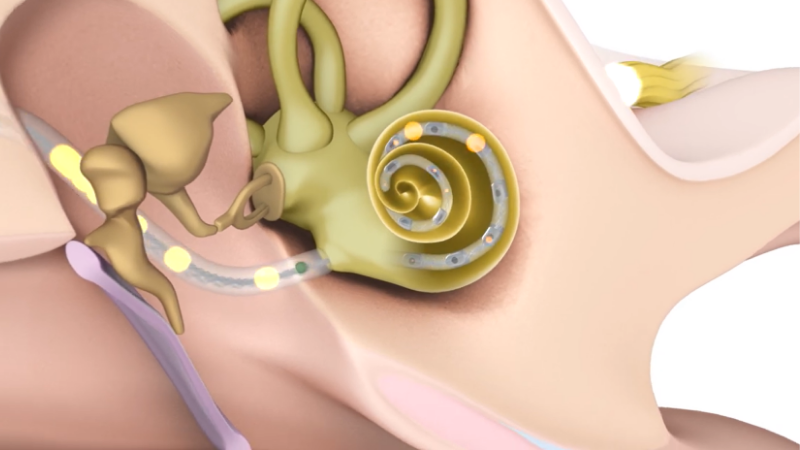
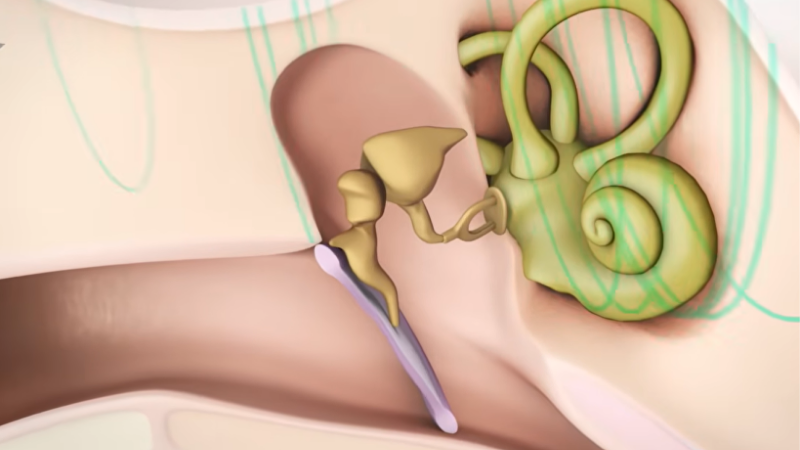
Cochlear implants are the most widely recognized type of hearing implant and are designed for individuals with severe to profound sensorineural hearing loss. This type of hearing loss occurs when the hair cells in the cochlea, the snail-shaped organ in the inner ear responsible for converting sound vibrations into electrical signals, are damaged.
How they work: A cochlear implant system consists of two main components: an external audio processor and an internal implant. The external processor captures sound, converts it into digital signals, and transmits these signals wirelessly to the internal implant. The internal implant, surgically placed beneath the skin, then decodes these signals and sends electrical impulses directly to the cochlea via an electrode array. These electrical impulses stimulate the auditory nerve, which then transmits the signals to the brain, where they are perceived as sound.
Candidacy: Individuals who experience limited benefit from powerful hearing aids, often characterized by difficulty understanding speech even with amplification, may be candidates for cochlear implants. A comprehensive evaluation, including hearing tests and imaging, is crucial to determine suitability.
The Journey with Cochlear Implants: Receiving a cochlear implant is a multi-stage process. It begins with an in-depth evaluation to assess the extent and nature of hearing loss. This is followed by surgery to implant the internal device. After a healing period, the external processor is activated, and the implant is programmed (fitted) to optimize sound perception. Crucially, auditory rehabilitation, which involves listening training and speech therapy, is an essential component of the process, helping recipients learn to interpret the new auditory information and maximize their benefit from the implant.
MED-EL, a leading innovator in hearing implant technology, emphasizes a philosophy of "closest to natural hearing" with its cochlear implant systems. This approach focuses on preserving and stimulating the natural pitch representation of sound through advanced technologies such as long electrode arrays, FineHearing technology, and individualized fitting options, aiming to provide a richer and more nuanced auditory experience.

Bone Conduction Implants
Bone conduction implants offer a solution for individuals with conductive or mixed hearing loss, as well as those with single-sided deafness. This type of hearing loss arises from problems in the outer or middle ear that prevent sound from effectively reaching the inner ear.
How they work: Unlike cochlear implants that stimulate the inner ear directly, bone conduction implants transmit sound vibrations through the bones of the skull to reach the healthy inner ear. This process bypasses any obstructions or issues in the outer or middle ear.
Candidacy: These implants are considered for individuals whose hearing loss is due to malformations of the ear canal or middle ear, chronic ear infections that cannot be surgically corrected, or conditions like otosclerosis. They are also a viable option for individuals with single-sided deafness, where hearing is significantly impaired in one ear but normal in the other.
Distinction from Bone Conduction Hearing Aids: It is important to differentiate between bone conduction hearing aids and bone conduction implants. Bone conduction hearing aids are non-surgical devices that use a headband or spectacle attachment to transmit vibrations to the skull. Bone conduction implants, however, involve a surgically implanted component that provides a more stable and long-term solution. MED-EL offers both the Bonebridge, a bone conduction implant system, and other solutions for conductive and mixed hearing loss.
Middle Ear Implants
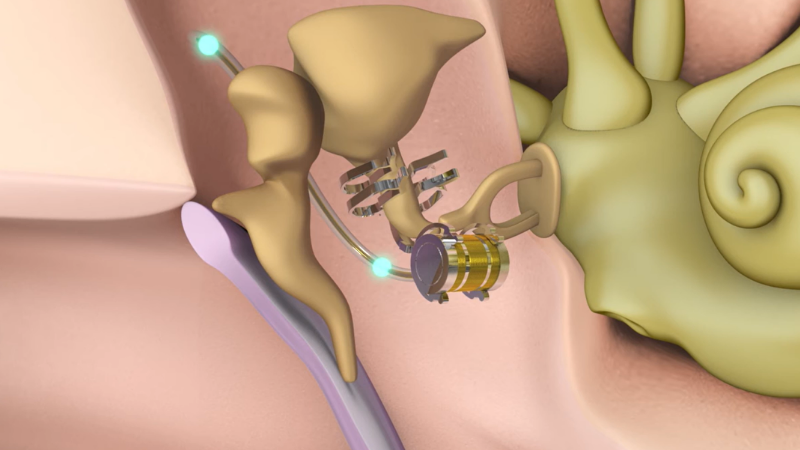
Middle ear implants represent another category of implantable hearing devices, designed to mechanically stimulate the structures of the middle ear. They are considered for individuals with conductive, mixed, or even mild-to-severe sensorineural hearing loss, particularly when conventional hearing aids are not suitable due to discomfort, skin issues, or insufficient benefit.
How they work: These implants typically consist of an internal component that is surgically placed within the middle ear. This component is connected to an external audio processor. The internal device then converts sound signals into mechanical vibrations that are directly transmitted to the ossicles (malleus, incus, stapes) or the round window of the cochlea, thereby stimulating the auditory pathway.
Candidacy: Middle ear implants can be an option for individuals who cannot wear external hearing aids due to allergies or skin irritation, or for those seeking a discreet and implantable solution. The specific type of middle ear implant, whether active or passive, will be determined by a hearing specialist based on the individual’s hearing profile.
Auditory Brainstem Implants (ABIs)
Auditory brainstem implants are the most specialized and are reserved for rare and complex cases. They are not designed to stimulate the cochlea but rather the auditory pathways directly within the brainstem.
How they work: An ABI involves surgically implanting electrodes onto the brainstem’s cochlear nuclei. This directly bypasses the cochlea and the auditory nerve entirely.
Candidacy: ABIs are typically considered for individuals who have lost their hearing due to conditions that damage or destroy the auditory nerve, preventing signals from reaching the brainstem. This can occur in certain rare genetic syndromes, following surgery to remove tumors near the auditory nerve (e.g., acoustic neuromas), or in cases of severe cochlear malformation where neither the cochlea nor the auditory nerve can be effectively stimulated. Due to the complexity and specialized nature of this intervention, ABIs are only recommended after extensive evaluation by a multidisciplinary team of experts.
Candidacy Assessment: A Personalized Approach
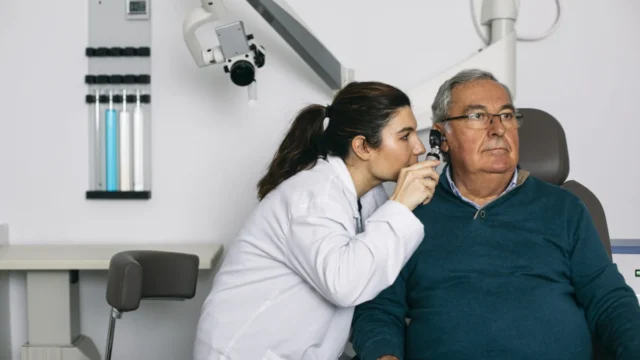
Determining candidacy for a hearing implant is a comprehensive process that goes beyond simple audiometric thresholds. Healthcare professionals, including audiologists and otolaryngologists (ENT specialists), consider a multitude of factors to ensure the best possible outcome for each individual.
Key Factors in Candidacy:
- Type and Degree of Hearing Loss: The specific nature and severity of the hearing impairment are primary determinants.
- Benefit from Hearing Aids: A significant lack of benefit from even the most advanced conventional hearing aids is often a prerequisite for implant consideration.
- Anatomy and Physiology: The structural integrity of the auditory system, including the cochlea, auditory nerve, and middle ear, is assessed.
- Medical History: Overall health status and any pre-existing medical conditions that might affect surgical outcomes are evaluated.
- Communication Goals: The individual’s aspirations for improved communication and their motivation to engage in rehabilitation play a crucial role.
- Lifestyle and Environment: The demands of the individual’s daily life, including work, social activities, and communication needs, are taken into account.
- Willingness for Rehabilitation: Successful outcomes with hearing implants often depend on active participation in post-implantation auditory training and therapy.
Diagnostic Procedures: To thoroughly assess candidacy, a range of diagnostic procedures may be employed. These typically include:
- Comprehensive Audiological Evaluations: Detailed hearing tests to measure hearing thresholds across different frequencies, speech understanding abilities, and the effectiveness of hearing aids.
- Medical Examinations: A thorough physical examination by an ENT specialist to assess the health of the ears and surrounding structures.
- Imaging Studies: Techniques such as CT scans or MRIs may be used to visualize the anatomy of the inner ear, middle ear, and auditory nerve, identifying any structural abnormalities.
- Speech and Language Assessments: Evaluation of communication skills and how hearing loss impacts these.
The decision regarding implant candidacy is ultimately made by qualified audiologists and ENT specialists, ensuring that the chosen solution aligns with the individual’s unique hearing needs and life circumstances.
The Surgical and Rehabilitation Process
The journey from considering a hearing implant to experiencing its benefits involves a carefully orchestrated process, with surgery being a critical but not the sole component.
Surgical Procedures: The specifics of hearing implant surgery vary significantly depending on the type of implant.
- Cochlear Implantation: This procedure involves creating a small incision behind the ear to access the mastoid bone. A small opening is made into the cochlea, and the electrode array is carefully inserted. The internal receiver/stimulator unit is then placed under the skin.
- Bone Conduction Implants: Surgery typically involves placing a fixture in the bone behind the ear to anchor the external sound processor. The internal component is designed to transmit vibrations through this fixture to the bone.
- Middle Ear Implants: These involve surgically placing the internal device within the middle ear cavity, often requiring an incision behind the ear or through the ear canal, depending on the specific system.
All surgical procedures are performed under anesthesia, and the duration can range from one to three hours. Recovery times vary, with many patients returning home the same day or after a brief hospital stay.
Post-Surgical Care and Rehabilitation:
Following surgery, a period of healing is followed by the activation and fitting of the external sound processor. This is a crucial phase where the device is programmed to optimize sound quality and speech understanding. This process is often iterative, with adjustments made over time.
Auditory rehabilitation is an indispensable part of the hearing implant journey. This involves dedicated listening therapy, speech practice, and support from audiologists and speech therapists. Rehabilitation helps individuals learn to interpret the new auditory signals, improve their ability to understand speech in various environments, and adapt to their enhanced hearing. The intensity and duration of rehabilitation are tailored to individual needs and progress.
Benefits and Potential Outcomes
The benefits derived from hearing implants are profound and can significantly enhance a person’s quality of life. While individual results vary, common positive outcomes include:
- Improved Speech Understanding: Many recipients experience a marked improvement in their ability to understand spoken language, even in noisy environments. This can lead to more meaningful conversations and reduced social isolation.
- Enhanced Awareness of Sounds: Implants can restore the perception of a wider range of environmental sounds, from music and nature to important alerts and warnings.
- Better Communication: The ability to participate more fully in conversations and social interactions can lead to improved relationships and a greater sense of connection.
- Increased Confidence and Independence: Restored hearing can boost self-esteem and enable individuals to engage more confidently in daily activities.
- Support for Speech and Language Development in Children: Early implantation in children with severe hearing loss is critical for optimal speech, language, and cognitive development.
MED-EL’s commitment to natural sound quality, through technologies like automatic sound management, directional microphones, and noise reduction, aims to further enhance the listening experience in challenging environments, addressing one of the most significant hurdles for individuals with hearing loss.
Making Informed Decisions: Choosing the Right Solution
Selecting the most appropriate hearing implant is a collaborative decision between the individual and their hearing healthcare team. Several factors guide this choice:
- Type and Severity of Hearing Loss: This is the primary factor dictating which implant technology is most suitable.
- Audiological Test Results: Specific metrics from hearing tests provide objective data for assessment.
- Medical and Anatomical Considerations: The health and structure of the ear and auditory pathways are critical.
- Personal Communication Goals: What the individual hopes to achieve with improved hearing is a key consideration.
- Lifestyle and Daily Activities: The demands of one’s environment influence the required functionality of the implant.
- Commitment to Rehabilitation: The willingness to engage in post-implantation therapy is essential for maximizing benefits.
Key questions to discuss with a hearing specialist include:

- What are the specific benefits and risks associated with each type of implant?
- What is the expected success rate for my particular type of hearing loss?
- What is the typical rehabilitation process, and what is my expected level of involvement?
- What are the long-term maintenance requirements and potential costs associated with the implant?
- How will the implant integrate with my current lifestyle and communication needs?
Frequently Asked Questions About Hearing Implants
Are hearing implants permanent?
The internal component of a hearing implant is designed for long-term use, often lasting many years. The external sound processor is removable and can be updated or replaced as technology advances.
Can children receive hearing implants?
Yes, many children with severe hearing loss are excellent candidates for hearing implants. Early implantation is crucial for supporting optimal speech, language, and cognitive development.
Do hearing implants restore normal hearing?
No, hearing implants do not restore hearing to its natural state. Instead, they provide access to sound by stimulating the auditory system in different ways, enabling many individuals to understand speech and communicate more effectively. The quality of sound perception can vary and is influenced by factors such as the implant type, fitting, and rehabilitation.
How long does hearing implant surgery take?
Most hearing implant surgeries are completed within one to three hours, depending on the complexity of the procedure and the specific implant type.
Can you have an MRI with a hearing implant?
Yes, many modern hearing implants are designed to be MRI compatible under specific conditions. It is essential to inform healthcare providers about the presence of an implant before any MRI procedure.
Conclusion
Hearing implants represent a remarkable advancement in audiological science, offering transformative solutions for individuals facing significant hearing loss. By understanding the different types of implants, the rigorous candidacy assessment process, and the commitment to post-operative rehabilitation, individuals can make informed decisions about restoring their connection to the world of sound. The ongoing innovation in this field promises even greater possibilities for hearing restoration and improved quality of life for those affected by hearing impairments.

For those who believe they might benefit from a hearing implant, consulting with a qualified hearing healthcare professional is the essential first step. Through a comprehensive evaluation and open discussion of options, personalized pathways to better hearing can be established.