A Chronology of Early Intervention
Marna’s path toward auditory access began in infancy, adhering to the "1-3-6" model of early hearing detection and intervention, which recommends screening by one month, diagnosis by three months, and enrollment in early intervention services by six months. Marna received her first set of hearing aids at just two months of age. As her diagnostic profile was refined, the decision was made to pursue cochlear implantation—a surgical intervention that bypasses damaged hair cells in the cochlea to stimulate the auditory nerve directly.
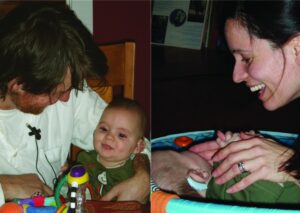
The timeline of her sensory development was intensive: Marna underwent her first cochlear implant surgery at 12 months, followed by a second implant at age two. This sequential approach is often utilized by audiologists to maximize binaural hearing, which is critical for sound localization and speech recognition in noisy environments. Following these surgical milestones, the Klein family enrolled in the Birth-to-3 Program at Listen and Talk. This stage of her development focused on home-based therapy, providing her parents with the specialized linguistic strategies necessary to foster language acquisition in a child with sensory technology.
The Blended Classroom Model
From ages three to five, Marna transitioned into the Listen and Talk Blended Classroom program. This educational model is distinct from traditional mainstream environments; it is specifically designed to facilitate auditory learning by maintaining a low student-to-teacher ratio and employing educators trained in the nuances of pediatric hearing loss.
The pedagogical value of the Blended Classroom lies in the peer-group dynamic. By interacting with other children navigating the same sensory challenges, students like Marna gain more than just academic instruction; they develop a framework for self-advocacy. This environment allows children to normalize their technology—the external processors of their cochlear implants—and fosters a sense of community that is often missing in isolated educational settings. Research indicates that children who attend such specialized programs often show higher rates of integration into mainstream K-12 schools compared to those who do not receive early intervention training.
Data on Cochlear Implants and Language Acquisition
The success of Marna’s development is supported by broader medical and educational data. According to the American Cochlear Implant Alliance, the age of implantation is the single most significant factor in long-term linguistic outcomes. Children who receive implants before the age of two are statistically more likely to develop age-appropriate language skills, often closing the gap with their hearing peers by the time they reach elementary school.
Furthermore, the integration of Listening and Spoken Language (LSL) therapy is considered the gold standard for many families opting for cochlear implants. Unlike approaches that rely solely on sign language, LSL emphasizes the use of technology to gain access to the auditory world, with a heavy focus on intensive therapy to ensure the brain can interpret electrical signals as meaningful sound. Marna’s active participation in extracurricular activities—ranging from soccer and softball to lacrosse and competitive swimming—demonstrates the successful transition from clinical intervention to full social and physical participation in her community.
The Role of Advocacy and Self-Esteem
A critical, often overlooked component of childhood hearing loss is the psychological development of self-advocacy. For a child with cochlear implants, navigating the world requires the ability to explain one’s hearing needs to coaches, teachers, and peers. Educators at organizations like Listen and Talk argue that this is not merely a social skill, but a prerequisite for academic success.

Marna’s current success as a reader and an active participant in Scouting reflects the culmination of years of auditory training. By the time she reached school age, the "hidden" work of listening had become an internalized, automatic process. The development of self-esteem in this context is deeply linked to the child’s ability to communicate their needs without shame. When children are empowered to embrace their technology, they are better equipped to handle the social pressures of the classroom, turning a medical condition into an manageable aspect of their identity.
Broader Implications for Healthcare and Education
The narrative surrounding Marna Klein is being used by advocates to highlight the necessity of continued funding for early intervention programs. While the medical technology of cochlear implants is widely available, the support systems required to ensure that technology is utilized effectively remain under-resourced in many regions.
The 2026 Alumni Family Giving Campaign, which Marna’s family is currently supporting, focuses on bridging the gap between clinical availability and educational access. The campaign aims to ensure that no child is limited by hearing loss due to a lack of specialized training or financial resources. From an economic perspective, early investment in these programs provides a high return on investment; children who receive adequate early intervention are more likely to succeed in mainstream education, require fewer special education services in later years, and achieve higher rates of employment as adults.

Official Perspectives on Sustained Support
Representatives from the Listen and Talk community emphasize that the "alumni" status of children like Marna is the true metric of success. The organization maintains that their goal is to provide a springboard for independence. By focusing on the foundational years, they aim to give children the tools to thrive in environments where hearing is expected.
"The goal is not to keep children in the program indefinitely, but to equip them so thoroughly that they can excel anywhere," noted a spokesperson associated with the initiative. The support from families who have successfully navigated the program is vital, as it provides both the financial backing for new technologies and the mentorship for parents just beginning the process of diagnosis.
Looking Toward the Future
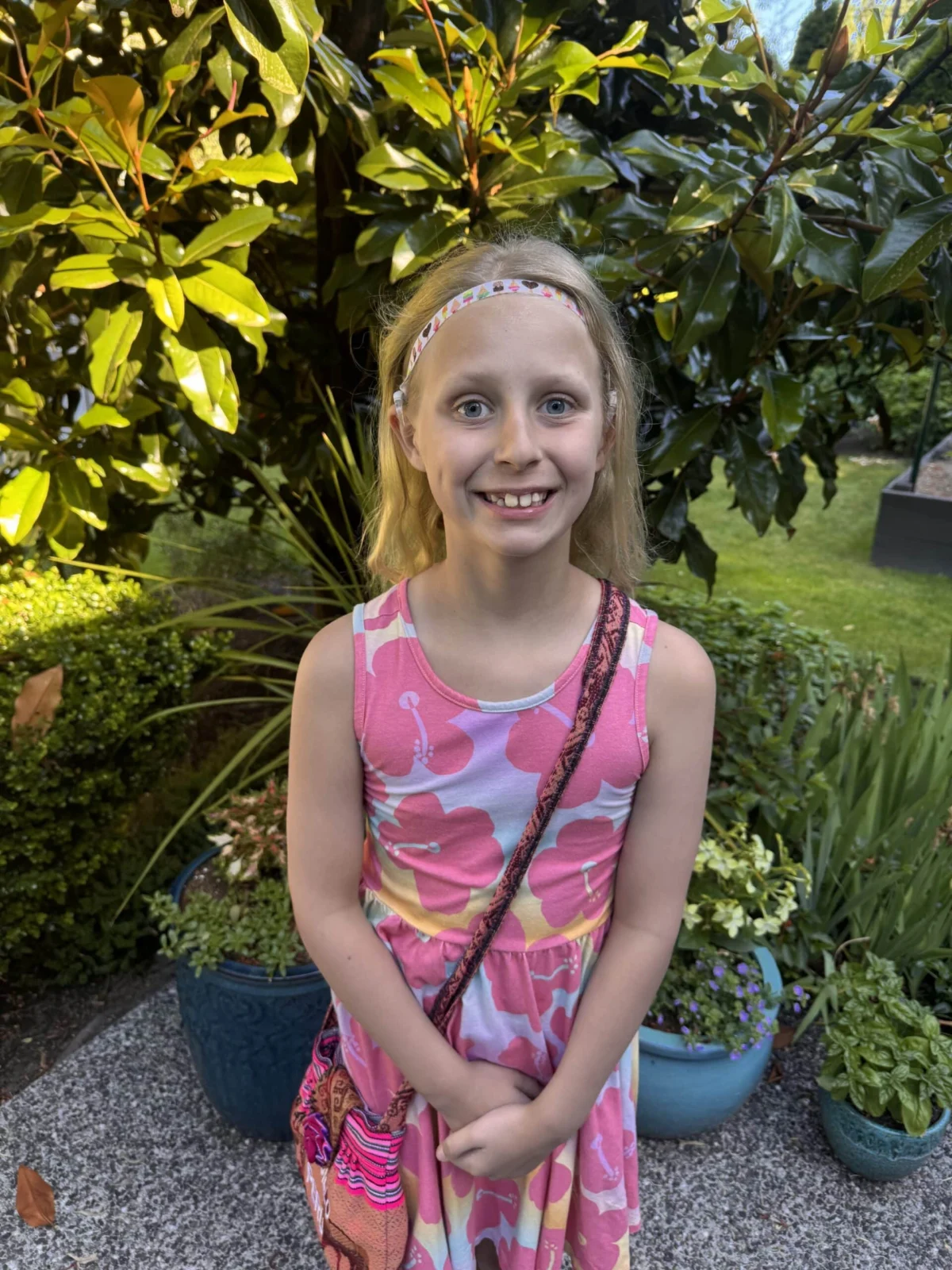
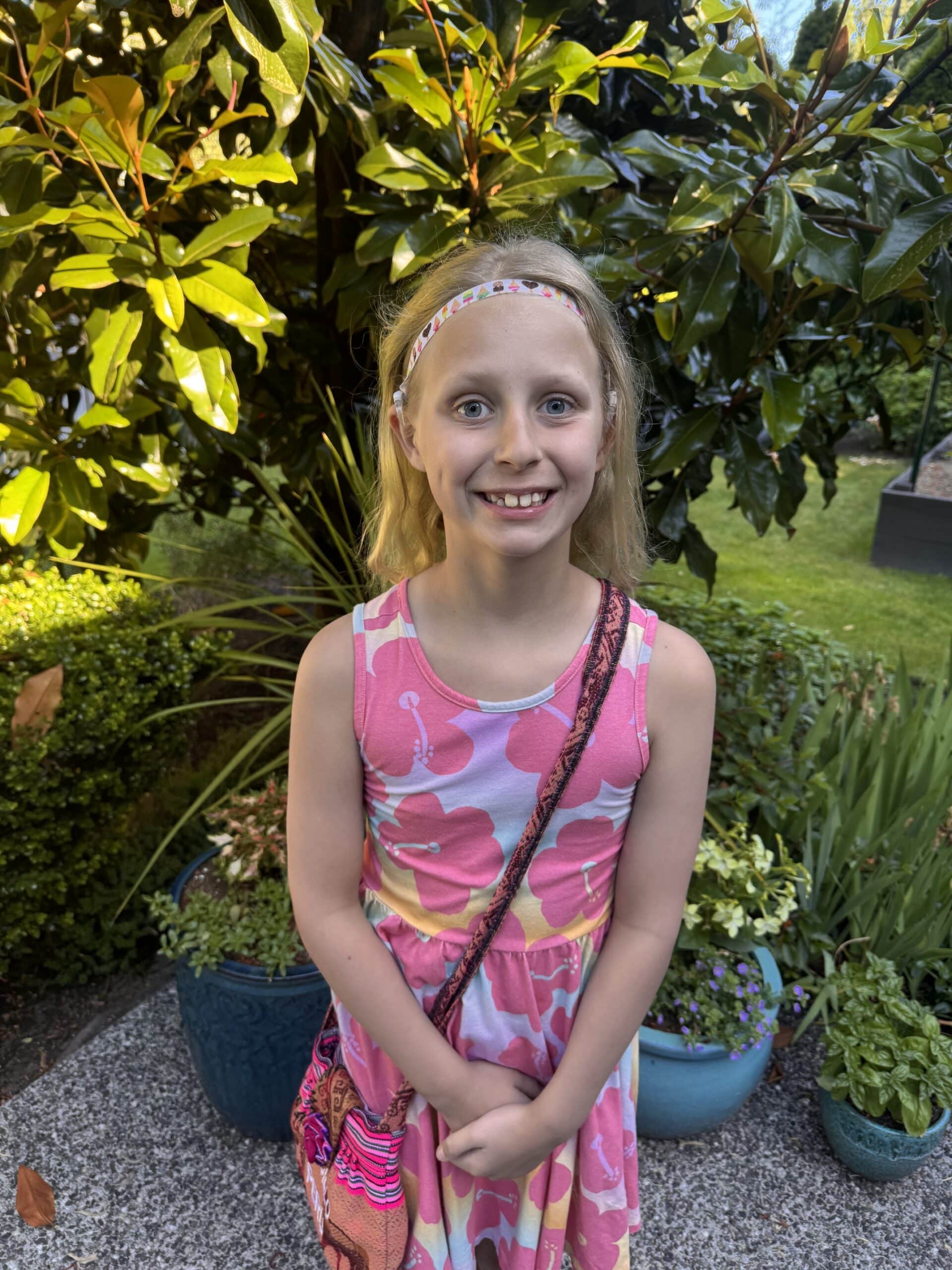
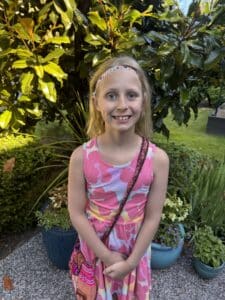
As Marna enters her later elementary years, her trajectory serves as a benchmark for the efficacy of the programs she attended. Her transition from a toddler receiving early hearing interventions to an eight-year-old athlete and reader illustrates the "full volume" life that modern technology and dedicated therapy can provide.
However, the challenge remains for thousands of other families who may not have immediate access to such comprehensive, integrated support. The 2026 campaign represents a broader push within the hearing health community to normalize the availability of LSL-focused environments. By viewing programs like Listen and Talk not just as therapy centers, but as essential pillars of educational infrastructure, policymakers and donors are beginning to shift the paradigm of how society views hearing loss in children.
Ultimately, the story of Marna Klein is a reminder that while the hardware—the cochlear implants—provides the physical access to sound, the human component—the specialized teaching, parental dedication, and community support—provides the meaning. As she continues to explore the world through books and outdoor adventures, she remains a tangible piece of evidence for the long-term success of early intervention, ensuring that the legacy of her own progress helps pave the way for the next generation of children learning to listen, speak, and thrive.