The Legislative Genesis of SSB 5528
The push for updated electrical rules is deeply rooted in the state’s broader commitment to accelerating the transition to zero-emission transportation. SSB 5528 was introduced to address concerns regarding the quality and safety of electrical installations for high-voltage charging stations. Lawmakers argued that as EV adoption rates climb, the risk of improper installation—which can lead to equipment failure, fire hazards, or grid instability—necessitated a more rigorous, standardized training requirement.
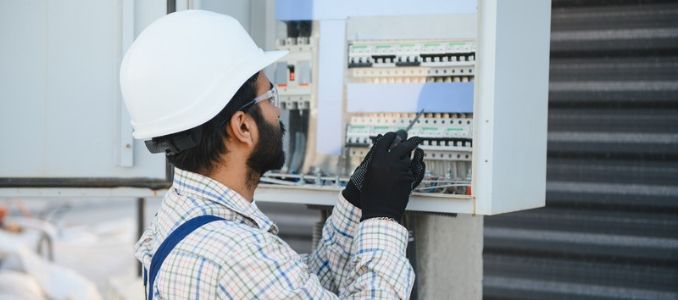
The law mandates that any individual performing the installation of electric vehicle supply equipment on public works projects must possess a certification from the Electric Vehicle Infrastructure Training Program (EVITP) or an equivalent nationally recognized training program. This requirement is not merely a bureaucratic hurdle; it is a quality assurance measure designed to ensure that the workforce is capable of navigating the complex electrical loads and safety requirements inherent in modern charging infrastructure.
Chronology of Implementation
The regulatory timeline has been a multi-stage process, beginning with the legislative session that produced the bill.
- January 1, 2024: The statutory requirement for EVITP or equivalent certification for all public works projects involving EVSE installation officially commenced. This created an immediate compliance obligation for contractors bidding on state-funded infrastructure.
- October 20, 2024: The Department of Labor & Industries filed the official amendments to Chapter 296-46B WAC, signaling the intent to integrate these requirements into the state’s permanent electrical rulebook.
- November 20, 2024: The effective date for the updated administrative rules. From this point forward, L&I inspectors will have explicit, updated guidance on how to enforce the certification requirements during site inspections.
By filing these rules, L&I has provided a clearer roadmap for enforcement, reducing ambiguity for contractors who have been operating under the initial January mandate.

Understanding the Scope of the Certification Rule
A primary concern for electrical contractors has been the breadth of the certification requirement. Under the updated rules, the mandate is strictly focused on the electrical components of the EVSE installation process. The rule applies to the installation and maintenance of charging hardware, ensuring that the personnel performing the final connections and configuration are fully vetted.
Critically, the rule includes a grandfather clause and an apprenticeship exemption to ensure that the industry does not face a labor bottleneck. Projects that had an existing contract in place on or before January 1, 2024, are exempt from the new certification mandates, allowing for the completion of legacy contracts without retroactive compliance issues. Furthermore, the rule provides a pathway for apprentices; they are permitted to perform installation work provided they are under the direct supervision of a journey-level electrician who possesses the required certification. This structure maintains the apprenticeship model of workforce development while ensuring that the final, safety-critical tasks are overseen by certified professionals.
Data-Driven Demand for Infrastructure
The necessity of these regulations is underscored by the explosive growth of the EV market in the Pacific Northwest. According to state energy data, Washington consistently ranks among the top states for per-capita EV adoption. This rapid consumer shift requires a commensurate increase in public and private charging infrastructure.

Industry analysis suggests that for every 10 electric vehicles on the road, at least one high-capacity public charger is required to maintain user convenience and prevent range anxiety. As Washington accelerates its transition—backed by aggressive state climate goals—the volume of installation projects for both DC fast chargers and Level 2 stations is expected to continue its upward trajectory. The influx of federal funding, specifically through the National Electric Vehicle Infrastructure (NEVI) program, has further incentivized the development of public charging corridors, making the certification of the labor force a matter of national interest.
Industry Reactions and Operational Impacts
While some industry stakeholders initially expressed concerns regarding the cost of training, the general consensus among electrical contractor associations has been supportive. Professional trade organizations have noted that a standardized certification program levels the playing field, ensuring that reputable contractors who invest in staff training are not undercut by firms that cut corners on safety and technical competency.
By streamlining the competency exam requirements for administrators and electricians, L&I intends to reduce the administrative burden of maintaining these certifications. The agency’s stated goal is to ensure that the workforce remains agile enough to meet the high demand for charging infrastructure without sacrificing the stringent safety standards that define Washington’s electrical code.

Broader Implications for Electrical Safety
The transition to a cleaner energy grid involves more than just the installation of solar panels and wind turbines; it requires a sophisticated and resilient charging network. The "behind-the-meter" electrical work required for modern EVSE is significant. Charging stations often draw high currents for extended periods, placing sustained demand on electrical panels and wiring.
Standardization of the workforce is a key component of grid reliability. By requiring certification, the state is effectively creating a specialized subset of electricians trained in load management, safety protocols for high-voltage systems, and the nuances of equipment-specific communication protocols. This move is expected to yield long-term dividends in the form of reduced equipment downtime and fewer electrical incidents related to charging stations.
The Role of L&I in Regulatory Oversight
The Department of Labor & Industries plays a dual role in this transition. Beyond writing and updating the code, the agency is responsible for the inspection and enforcement of these electrical standards. With the November 20 update, L&I inspectors will be equipped with updated checklists and guidance, enabling more consistent enforcement across the state.

The agency has emphasized that these changes are designed to support, rather than hinder, the expansion of EV infrastructure. By clarifying the requirements for competency exams and formalizing the certification process, L&I is providing a stable regulatory environment that encourages investment in the sector. For the average consumer, this translates to a more reliable network of charging stations that are less likely to experience faults, ultimately supporting the state’s broader environmental initiatives.
Future-Proofing the Workforce
Looking ahead, the integration of these rules suggests a long-term shift in the skill sets required for modern electricians. The convergence of traditional electrical contracting and digital infrastructure—as seen in smart-charging technology—requires a workforce that is comfortable with both high-voltage hardware and low-voltage control systems.
As the state moves forward, industry observers anticipate that the focus will remain on balancing the rapid deployment of hardware with the necessary oversight of labor competency. The success of Washington’s model will likely serve as a blueprint for other states navigating similar challenges. By proactively addressing the qualifications of the labor force, Washington is ensuring that its infrastructure is not only built quickly but built to last, safely serving the needs of an increasingly electrified transportation sector for years to come.

In summary, the amendments to Chapter 296-46B WAC represent a logical and necessary progression for Washington’s electrical industry. By codifying the requirements of SSB 5528, the state is reinforcing its commitment to safety and excellence in the renewable energy sector. As of November 20, contractors and electricians alike must ensure they are fully aligned with these updated protocols to continue participating in the vital public works projects that are defining the future of transportation in the state.