The research, led by a collaborative team from the University of Edinburgh and the UK Dementia Research Institute, utilized a unique combination of longitudinal human data and experimental animal models. Their findings indicate that the breakdown of a specific biological pathway within these cells leads to the production of unhealthy myelin, the protective insulation surrounding nerve fibers. This discovery not only clarifies a long-standing mystery regarding the biological markers of cognitive aging but also opens the door to repurposing existing medications to preserve brain health in later life.
The Paradigm Shift in White Matter Research
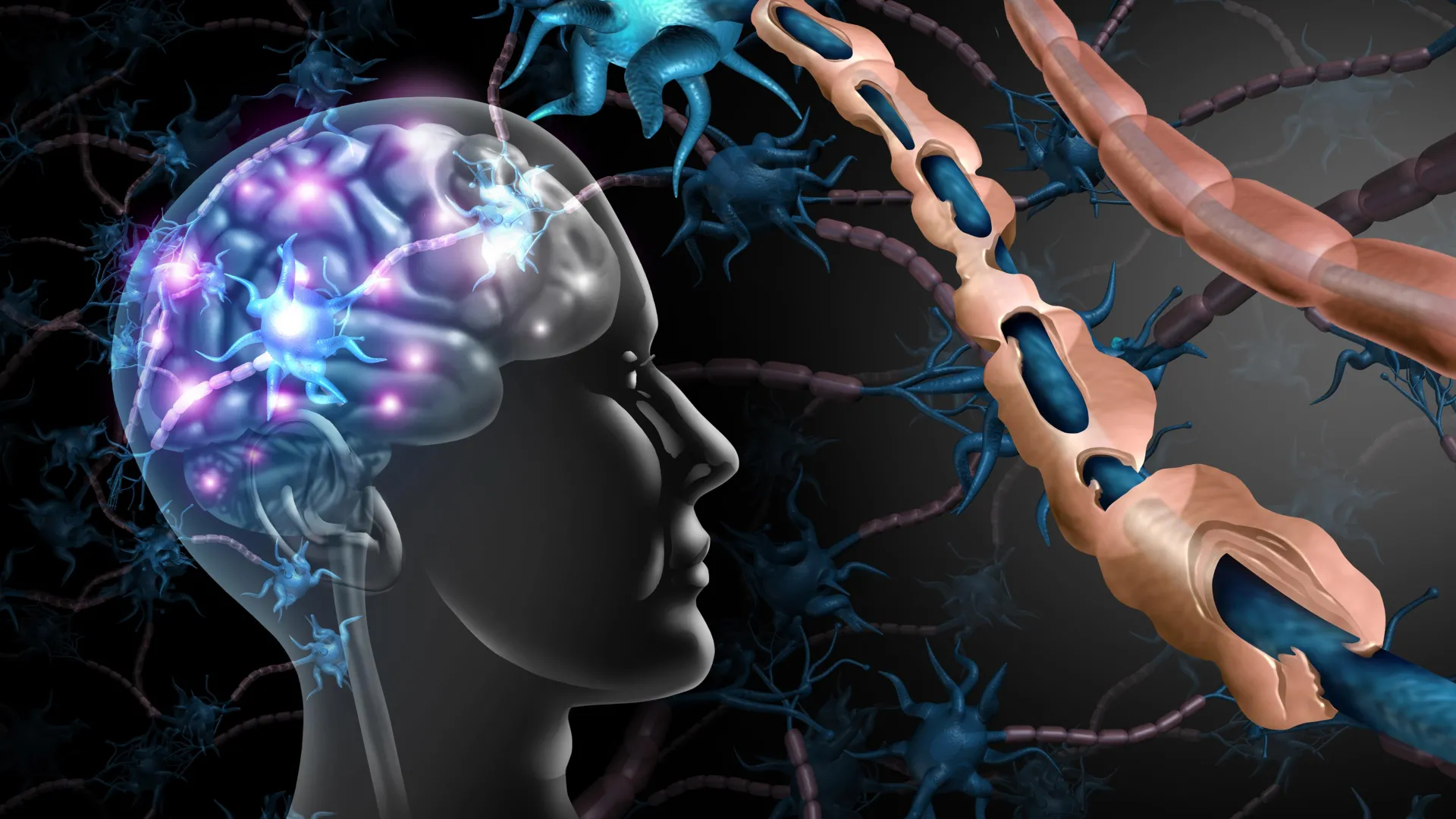
For decades, the scientific community focused primarily on neurons—the cells responsible for transmitting electrical impulses—and the "grey matter" of the brain when investigating cognitive decline. Oligodendrocytes were largely viewed as secondary support staff. Their primary role is the production of myelin, a lipid-rich substance that wraps around axons (nerve fibers) to facilitate rapid signal transmission. This myelinated network, known as "white matter," acts as the brain’s high-speed communication infrastructure.
Under normal conditions, oligodendrocytes are remarkably efficient, ensuring that electrical signals travel at speeds necessary for complex thought, motor coordination, and sensory processing. However, the new research suggests that the health of these cells is more fragile than previously understood. When oligodendrocytes fail to function correctly, the resulting "unhealthy" or "excessive" myelin can become a hindrance rather than a help, leading to the degradation of the very axons they were meant to protect.
This "helper-turned-hindrance" dynamic represents a fundamental shift in geriatric neurology. It suggests that cognitive decline is not merely a result of neurons dying off, but rather a systemic failure of the brain’s maintenance system.
Insights from the Lothian Birth Cohort 1936
The foundation of this study lies in the Lothian Birth Cohort 1936 (LBC1936), one of the most comprehensive longitudinal studies of human aging in existence. The cohort consists of individuals born in 1936 who participated in the Scottish Mental Survey of 1947. Because these individuals were tested for cognitive ability at age 11, researchers have been able to track their mental trajectories across nearly eight decades.
Between the ages of 70 and 82, the participants underwent rigorous follow-up assessments. These evaluations measured three primary domains of cognitive function:
- Memory: The ability to retain and recall information.
- Processing Speed: The velocity at which the brain can receive and respond to information.
- Visuospatial Ability: The capacity to understand spatial relationships between objects.
Out of the 1,091 original members of the cohort, 866 completed the specialized testing required for this study. While almost all participants showed some level of decline as they entered their 80s, the researchers noted a wide variance in the rate of deterioration. This variance provided the "natural experiment" needed to identify what distinguishes a resilient brain from one experiencing rapid decline.
Post-Mortem Analysis and the Myelin Mystery
To bridge the gap between cognitive performance and physical brain structure, the team examined brain tissue from a subset of the Lothian participants who had donated their organs to science after death. The pathological findings were striking.
The researchers observed that individuals who had experienced the steepest rates of cognitive decline possessed a specific set of brain abnormalities. Primarily, these individuals showed a significant loss of "large-diameter" nerve fibers. In the architecture of the brain, large nerve fibers are responsible for long-range communication between distant regions; their loss is akin to losing the major highways in a transportation network.
Furthermore, the remaining fibers in these "fast-decliners" were often encased in abnormal, unhealthy myelin. This was not a simple case of myelin loss (demyelination), which is common in diseases like multiple sclerosis. Instead, it was a phenomenon where the myelin appeared structurally compromised or present in excessive, disorganized layers. This suggests that as oligodendrocytes age, they lose the ability to precisely regulate myelin production and maintenance, leading to a "clogging" of the neural pathways.
The Role of NRF2: A Master Regulator in Decline
The search for the "why" behind this oligodendrocyte dysfunction led the researchers to a protein known as NRF2 (Nuclear factor erythroid 2-related factor 2). In the realm of molecular biology, NRF2 is considered a master regulator of the cellular antioxidant response. It controls the expression of hundreds of genes that protect cells from oxidative stress, inflammation, and toxic damage.
By analyzing the gene expression profiles of the brain tissue samples, the researchers discovered that oligodendrocytes in the brains of those with severe cognitive decline had significantly lower levels of NRF2. Without sufficient NRF2 activity, the oligodendrocytes were unable to maintain their internal health, leading to the production of the defective myelin observed in the tissue samples.
To confirm that the NRF2 deficiency was a cause of the decline rather than a symptom, the team conducted a series of controlled experiments using mouse models. By genetically engineering mice to have reduced NRF2 levels specifically within their oligodendrocytes, the researchers were able to replicate the human pathology. The mice developed the same excessive, unhealthy myelin and began to lose their large-diameter nerve fibers. Crucially, these mice also demonstrated a measurable failure to improve their cognitive performance as they aged, mirroring the human experience of decline.
Implications for Therapeutic Intervention
The identification of the NRF2 pathway as a key driver of white matter aging is particularly significant because this pathway is already "druggable." There are existing pharmaceutical compounds designed to boost NRF2 activity, some of which are already approved by regulatory agencies for the treatment of other conditions.
For example, dimethyl fumarate is a medication currently used to treat multiple sclerosis (MS). Its mechanism of action involves the activation of the NRF2 pathway to protect the central nervous system from inflammatory damage. Previous clinical data has indicated that MS patients treated with NRF2 activators often show improvements in cognitive processing speed—the same domain that declines in healthy aging.
This connection offers a shortcut for drug development. Rather than spending decades developing a new compound from scratch, researchers may be able to "repurpose" these existing drugs. Clinical trials could potentially be fast-tracked to determine if low-dose NRF2 activators can stabilize oligodendrocyte function in healthy older adults, thereby slowing or even preventing the onset of age-related cognitive impairment.
Expert Perspectives and Future Directions
The study has been hailed by the scientific community as a milestone in aging research. Veronique Miron, a Senior Non-Clinical Fellow and Group Leader at the UK Dementia Research Institute, emphasized the urgency of the work given the global demographic shift toward an older population. "As the prevalence of cognitive decline is rising with an aging population and no current treatments exist, we are excited about this work as it points to a potential strategy for new therapeutic strategies to preserve cognitive ability in aging," Miron stated.
Georgina Craig, the study’s first author, noted that the research fundamentally shifts the perception of oligodendrocytes. "We have always considered oligodendrocytes as purely beneficial," Craig remarked. The realization that these cells can become "dysfunctional and contribute to cognitive impairment" provides a new target for researchers who have previously focused almost exclusively on amyloid plaques and tau tangles—the traditional hallmarks of Alzheimer’s disease.
However, experts caution that while the results are promising, the transition from mouse models and post-mortem tissue to a "brain-protective pill" for humans will require extensive validation. Future research will need to determine the optimal timing for intervention. It is currently unclear whether NRF2-boosting treatments would need to begin in middle age to be effective, or if they could reverse damage that has already occurred in the 70s or 80s.
Conclusion: A New Frontier in Brain Health
The findings published in Nature Medicine provide a clearer map of the biological landscape of the aging brain. By highlighting the vulnerability of the NRF2 pathway in oligodendrocytes, the study identifies a specific cellular "weak point" that contributes to the slowing of the mind.
This research moves the field away from a generalized view of "brain wear and tear" and toward a specific, targetable cellular mechanism. In an era where neurodegenerative diseases pose one of the greatest challenges to public health and economic stability, the discovery of a potentially treatable driver of cognitive decline offers a much-needed beacon of hope. As scientists move toward clinical applications, the focus remains on ensuring that as the human lifespan increases, the "healthspan" of the human brain can keep pace.