

A Sudden Onset: The Chronology of a Life-Altering Diagnosis
The onset of tinnitus often occurs without warning, and for Ms. Moorley, the experience was inextricably linked to physical trauma. At the age of 18, while suffering from a severe dental infection, she began to experience a persistent, high-pitched ringing in both ears. This temporal proximity between systemic physical distress and the sudden appearance of auditory symptoms is a common clinical observation, as inflammation and high levels of physiological stress are known triggers for exacerbating underlying auditory sensitivities.
In the immediate aftermath of this event, the psychological impact was profound. Ms. Moorley describes a state of total sensory shock, a common reaction for patients who have had no prior exposure to the condition. In the early stages, her daily life was defined by exhaustion, sleep deprivation, and a pervasive sense of entrapment. This initial period is frequently cited in medical literature as the "acute phase," where the lack of an immediate, tangible cause can lead to heightened anxiety, which in turn feeds the auditory feedback loop of the condition.

The Landscape of Tinnitus: Prevalence and Clinical Challenges
Tinnitus is defined as the perception of noise or ringing in the ears when no external sound is present. According to global health data, it affects approximately 10% to 15% of the adult population to varying degrees of severity. While for many it remains a minor annoyance, for a significant minority—estimated at 1% to 3% of the total population—it can be a debilitating condition that interferes with sleep, concentration, and emotional stability.
The primary challenge in clinical management is the lack of a universal "cure." Because tinnitus is a symptom rather than a singular disease, medical interventions are often focused on habituation and cognitive reframing rather than total elimination of the sound. Ms. Moorley’s experience reflects a common hurdle within the healthcare system: the perceived, and often actual, lack of specialized support from primary care physicians who may not be equipped to address the complex psychological components of the condition.
The Role of Cognitive Behavioral Therapy (CBT) and Behavioral Adaptation
As Ms. Moorley sought relief, she was eventually referred for Cognitive Behavioral Therapy (CBT). In the context of tinnitus, CBT is widely regarded as the "gold standard" for management. Unlike curative treatments, CBT focuses on the patient’s reaction to the auditory stimulus. By identifying the maladaptive thought patterns that lead to stress and hyper-vigilance, patients learn to "re-classify" the tinnitus sound from a threat to a neutral background stimulus.
Ms. Moorley’s transition toward better management was marked by her ability to recognize the symbiotic relationship between stress and symptom severity. By implementing stress-reduction techniques, she was able to break the cycle of anxiety that historically intensified her experience. This shift in perspective is echoed by audiologists and psychologists who note that when the brain ceases to view the tinnitus as a dangerous intruder, the emotional burden significantly decreases, allowing the patient to reclaim their quality of life.
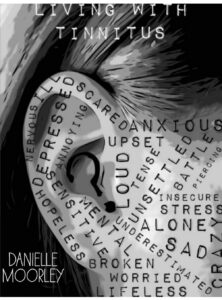
The Power of Community Advocacy and Support Structures
A critical turning point in Ms. Moorley’s trajectory was her engagement with Tinnitus UK. Advocacy groups and charities serve a dual purpose: they provide evidence-based information to patients who may feel lost in the medical system, and they provide a platform for communal support. For Ms. Moorley, the organization’s helpline acted as a bridge to normalcy. Speaking with individuals who shared the same lived experience—and who were actively engaged in supporting research for future cures—provided a sense of validation that was absent in her early years of struggle.
The transition from a passive patient to an active member of the Tinnitus UK community reflects a broader trend in chronic condition management. Membership in such organizations offers more than just information; it provides a sense of agency. By connecting with others, individuals can discuss daily coping strategies—such as sound therapy, lifestyle adjustments, and social navigation—without the fear of social stigma or judgment.
Reintegrating into Social Life and Hobbies
The success of Ms. Moorley’s management strategy is perhaps most evident in her return to previously difficult environments. In the past, the sensory input of loud social settings, such as concerts or crowded parties, would often trigger dizziness and exacerbate her symptoms. Through a combination of sustained support, increased confidence, and gradual exposure, she has successfully returned to these activities.
This re-engagement is a significant milestone. It highlights the importance of not allowing the condition to dictate the boundaries of one’s life. For someone who enjoys outdoor adventures, photography, and equestrianism, the ability to engage with the world while managing a persistent auditory condition is a testament to the effectiveness of a comprehensive, biopsychosocial approach to healthcare.

Broader Implications: The Future of Tinnitus Research and Support
The story of Danielle Moorley is reflective of a wider shift in how society approaches tinnitus. With ongoing research into neuro-modulation and potential pharmacological interventions, the hope for a future medical cure remains a primary driver for organizations like Tinnitus UK. However, the current reality for the millions living with the condition necessitates robust support systems that address the mental health impact of auditory dysfunction.
Healthcare systems are increasingly recognizing that the "medical model" of treating ears in isolation is insufficient. The future of care lies in a multi-disciplinary approach that integrates audiology, psychology, and community support. By fostering environments where patients feel heard and understood, advocacy organizations are filling a vital gap in the public health infrastructure.
Why Community Membership Matters
For those newly diagnosed or struggling with the persistent presence of tinnitus, the advice provided by those with lived experience is often the most practical. Membership in an organization dedicated to the condition provides access to a repository of trusted information, reducing the reliance on unverified, and sometimes harmful, advice found elsewhere online.
Ms. Moorley’s decision to become a member was rooted in the desire to pay forward the support she received. This altruistic motivation is a hallmark of the community; it serves to normalize the condition and reduce the isolation that often accompanies it. As she continues to balance her professional responsibilities as a nursery room leader with her personal passions, her experience remains a powerful reminder that while tinnitus may be an enduring presence, it does not have to be an all-consuming one.

In summary, the journey from initial diagnosis to informed management is rarely a linear path. It requires the courage to seek professional help, the persistence to engage with the right therapeutic tools, and the wisdom to connect with a community that can provide both emotional scaffolding and practical guidance. As the medical community continues to explore new treatments, the strength found in patient-led initiatives and supportive advocacy remains an indispensable component of the therapeutic journey. Through stories like those shared by Ms. Moorley, the conversation around tinnitus is shifting from one of silence and isolation to one of collective resilience and informed action.