Understanding Auditory Neuropathy Spectrum Disorder (ANSD)
Auditory Neuropathy Spectrum Disorder represents a unique category of hearing loss where the inner ear successfully detects sound, but the signal is not transmitted effectively to the brain. Unlike traditional sensorineural hearing loss, where hair cells in the cochlea are damaged, ANSD typically involves a breakdown in the auditory nerve or the synapse between the inner hair cells and the auditory nerve.
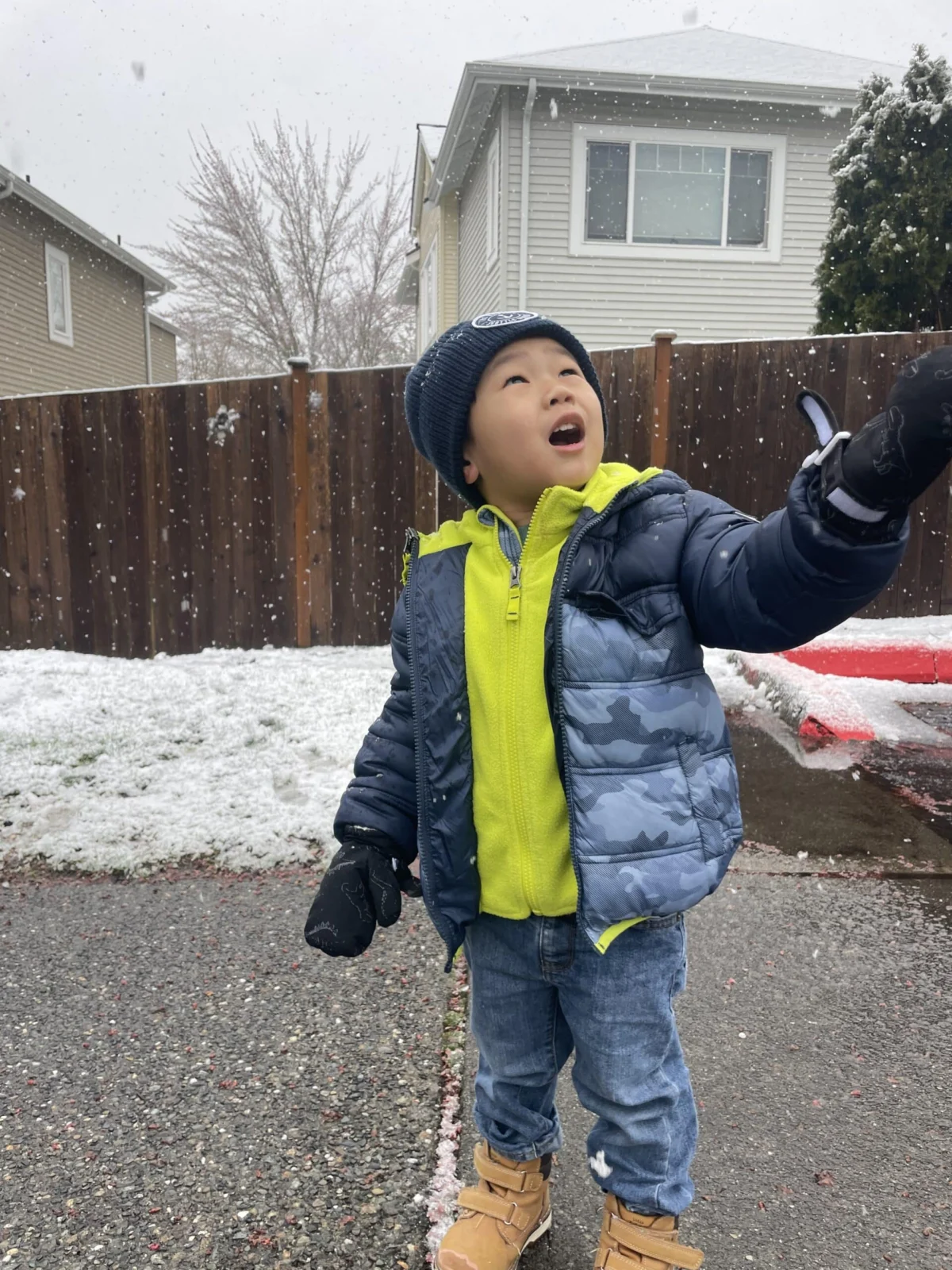
Clinical data suggests that the prevalence of permanent childhood hearing loss is approximately 1 to 3 per 1,000 live births, with ANSD accounting for a significant subset of these cases. Because the severity of the condition can fluctuate or present inconsistently, early diagnosis is paramount. In Raiden’s case, his diagnosis indicated moderate to severe hearing loss at specific pitches. Such a diagnosis often necessitates the use of amplification devices, such as hearing aids or cochlear implants, to provide the auditory stimulation required for the brain’s auditory pathways to mature during the critical "plasticity window" of early childhood development.
The Chronology of Intervention: From Diagnosis to Classroom
The timeline for intervention is narrow. Research by the Joint Committee on Infant Hearing (JCIH) emphasizes the "1-3-6" rule: hearing screening by one month of age, diagnosis by three months, and enrollment in early intervention services by six months.
For the Yamamoto family, the transition into formal schooling was marked by a careful evaluation of available resources. While many families initially opt for local, general-education preschools, the specialized needs of children with hearing loss often necessitate a more targeted environment. The family’s decision to transition to the Listen & Talk program, despite a significant daily commute, reflects a growing trend among parents of children with hearing loss: the prioritization of specialized, auditory-rich environments over geographic convenience.
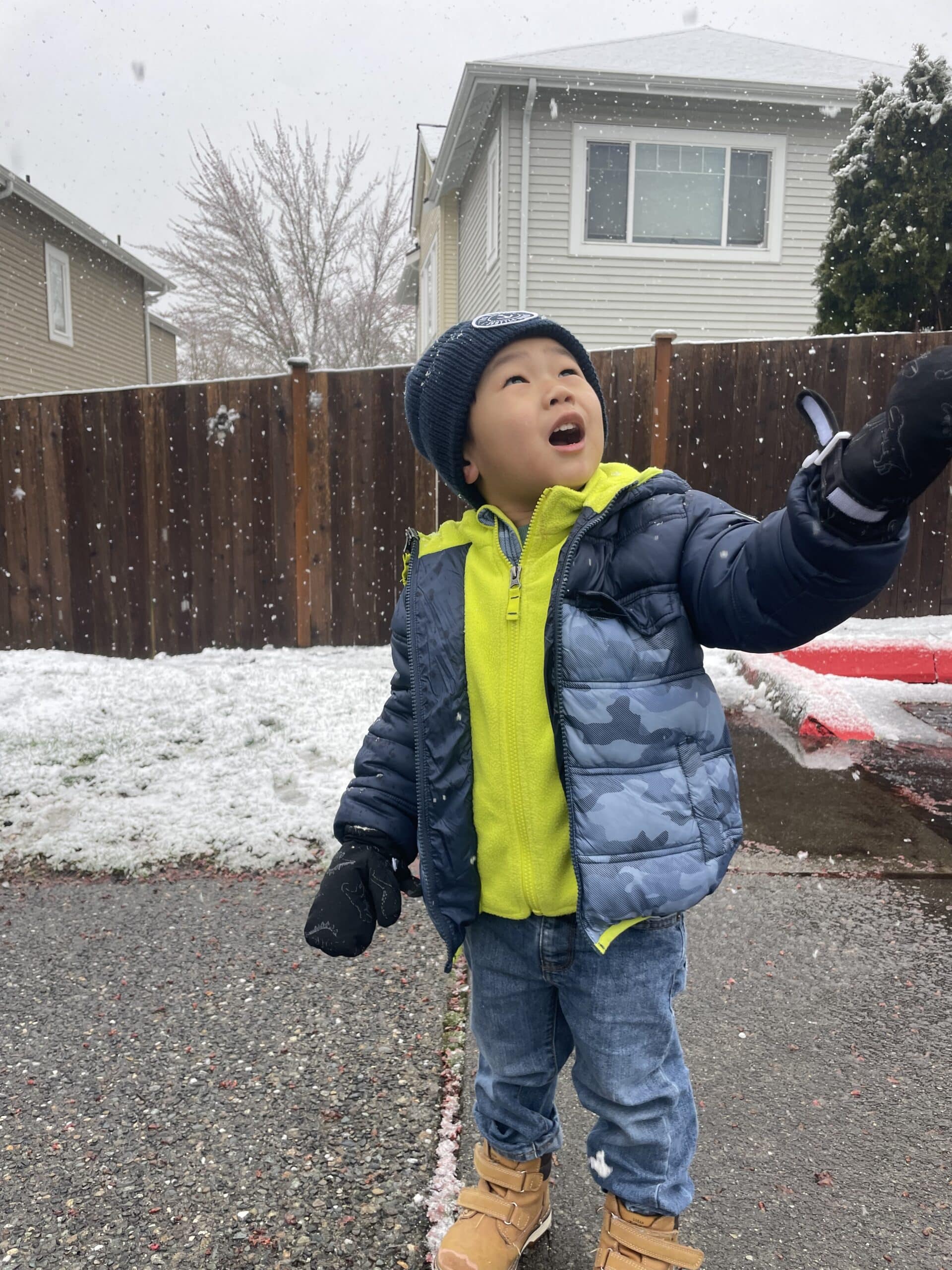
During their summer tour of the Listen & Talk campus, the family observed several technical components essential for successful integration. These included:
- On-site Audiology Suites: Facilities that allow for real-time monitoring of hearing aid efficacy.
- Hearing Amplification Technology: Classroom-wide systems that ensure a high signal-to-noise ratio, minimizing the impact of ambient background noise.
- Advocacy Training: Curriculum components designed to teach children how to express their hearing needs to educators and peers.
The Efficacy of the Blended Classroom Model
The Blended Classroom program serves as a social and academic laboratory. By grouping children with hearing loss alongside their typically hearing peers, the program utilizes "peer modeling," where children with hearing loss acquire language skills through natural interaction with peers who possess age-appropriate communication levels.
Data from longitudinal studies on inclusive education indicates that children with hearing loss in blended or mainstream environments demonstrate higher levels of social competence and self-advocacy. By removing the barrier of isolation, these programs prepare students for the demands of kindergarten and primary school. The pedagogical focus is not merely on "fixing" the hearing loss but on equipping the child with the tools to navigate a world that is not inherently designed for their specific communication needs.
Early Progress and Linguistic Milestones
The impact of specialized intervention is often quantifiable through speech and language milestones. For a child like Raiden, who initially struggled with limited vocabulary, the shift to 3-to-4-word phrases and the initiation of independent conversations represents a significant advancement.
Clinicians note that "ear defensiveness"—a common physiological reaction in children with sensory processing differences or discomfort with amplification devices—often subsides when a consistent, supportive routine is established. The techniques employed by the Listen & Talk staff to mitigate this discomfort have allowed Raiden to utilize his hearing aid for longer durations, thereby increasing his daily auditory "dose." This increased exposure is directly correlated with improved phonological awareness and syntax development.
Broader Implications: Advocacy and Social Impact
The broader implications of the blended classroom model extend beyond the individual student. When children are empowered to advocate for themselves—asking a teacher to face them while speaking, or requesting a seat closer to a sound source—they are building foundational life skills. This shift in agency is a primary objective for programs serving the deaf and hard-of-hearing community.

However, the availability of these programs remains a challenge. Social impact enterprises and non-profit educational models are often forced to rely on philanthropic contributions to bridge the gap between tuition and the actual cost of providing high-tech audiological support and speech-language pathology. As government funding for specialized early intervention remains under pressure, the role of private donations in sustaining these facilities becomes critical.
The Economic and Social Necessity of Early Intervention
Economically, the investment in early childhood intervention for children with hearing loss yields high returns. Studies conducted by organizations like the World Health Organization (WHO) have consistently shown that early diagnosis and rehabilitation reduce the long-term societal costs associated with special education services, potential academic underachievement, and adult unemployment.
By funding programs that provide early intervention services, speech therapy, and audiology testing, donors are contributing to a systemic change. The goal, as articulated by the Listen & Talk mission, is to ensure that "no child is limited by hearing loss." This vision is supported by a growing body of evidence that suggests that with the right support, children with hearing loss can achieve academic and social parity with their hearing peers.
Conclusion: A Collaborative Path Forward
The story of the Yamamoto family and their experience with the Blended Classroom highlights the importance of matching a child’s specific clinical needs with a robust, evidence-based educational framework. As science continues to improve diagnostic accuracy and hearing technology, the focus must remain on the human element: the dedicated teachers, the supportive parents, and the resilient children who navigate the complexities of hearing loss every day.
For families navigating a new diagnosis, the advice from those who have successfully navigated the process is consistent: prioritize environments that emphasize active, rather than passive, auditory engagement. Whether through formal blended classrooms or other early intervention modalities, the consensus among professionals is clear—the earlier a child is placed in an environment that facilitates both their clinical and social needs, the more successful their long-term outcomes will be.
As we look toward the future of education for children with hearing loss, the integration of technology, advocacy training, and inclusive social settings will continue to be the cornerstone of progress. The success stories emerging from programs like Listen & Talk serve as a reminder that with the right resources, the barriers posed by hearing loss can be effectively navigated, allowing every child to reach their full potential.