A Chronology of Early Intervention
Marna’s path to linguistic and social integration began almost immediately after birth. In the United States, the Joint Committee on Infant Hearing (JCIH) recommends a "1-3-6" model: hearing screening by one month of age, diagnosis of hearing loss by three months, and enrollment in early intervention services by six months. Marna’s clinical timeline adhered to and even surpassed these benchmarks.
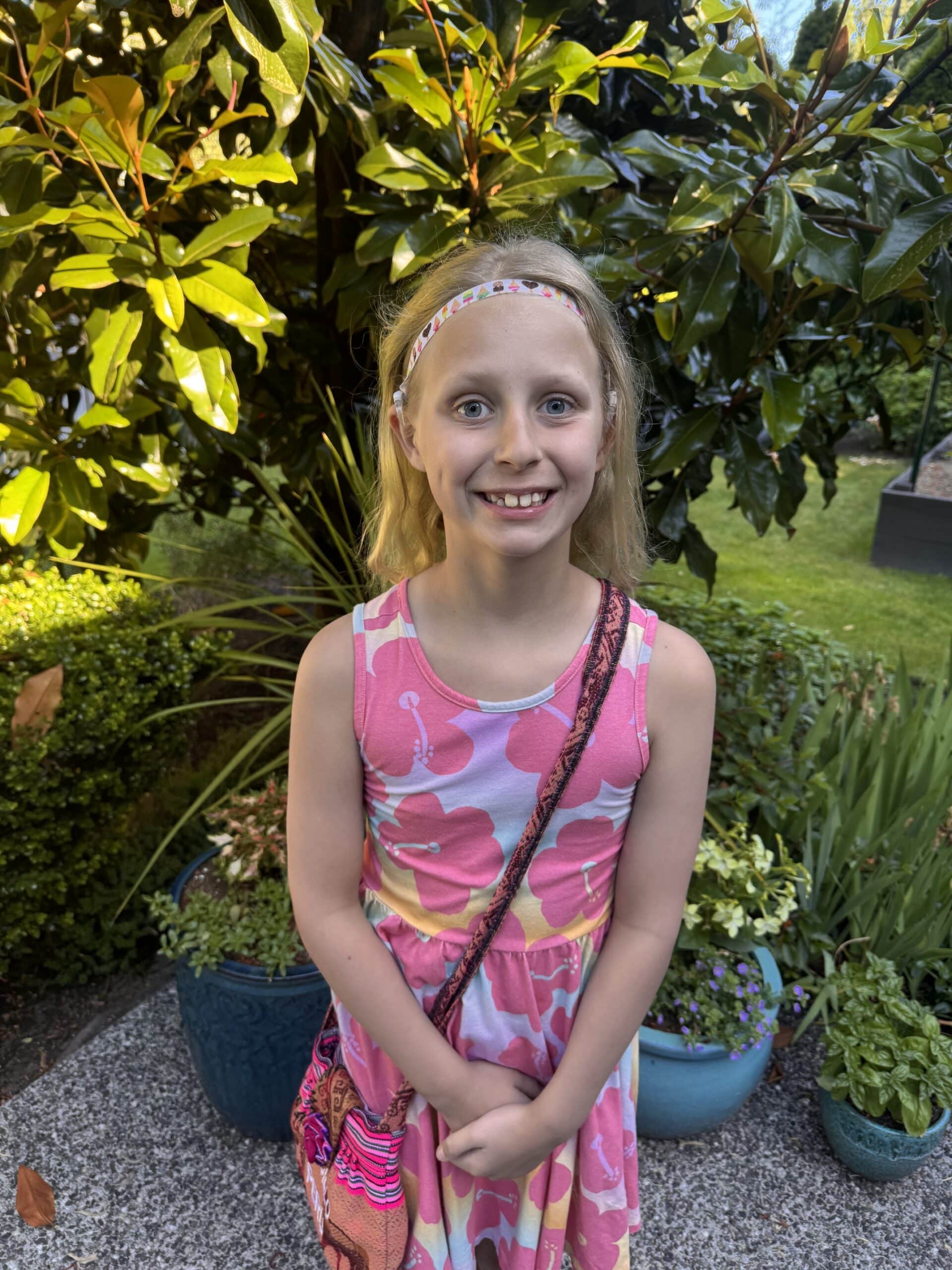
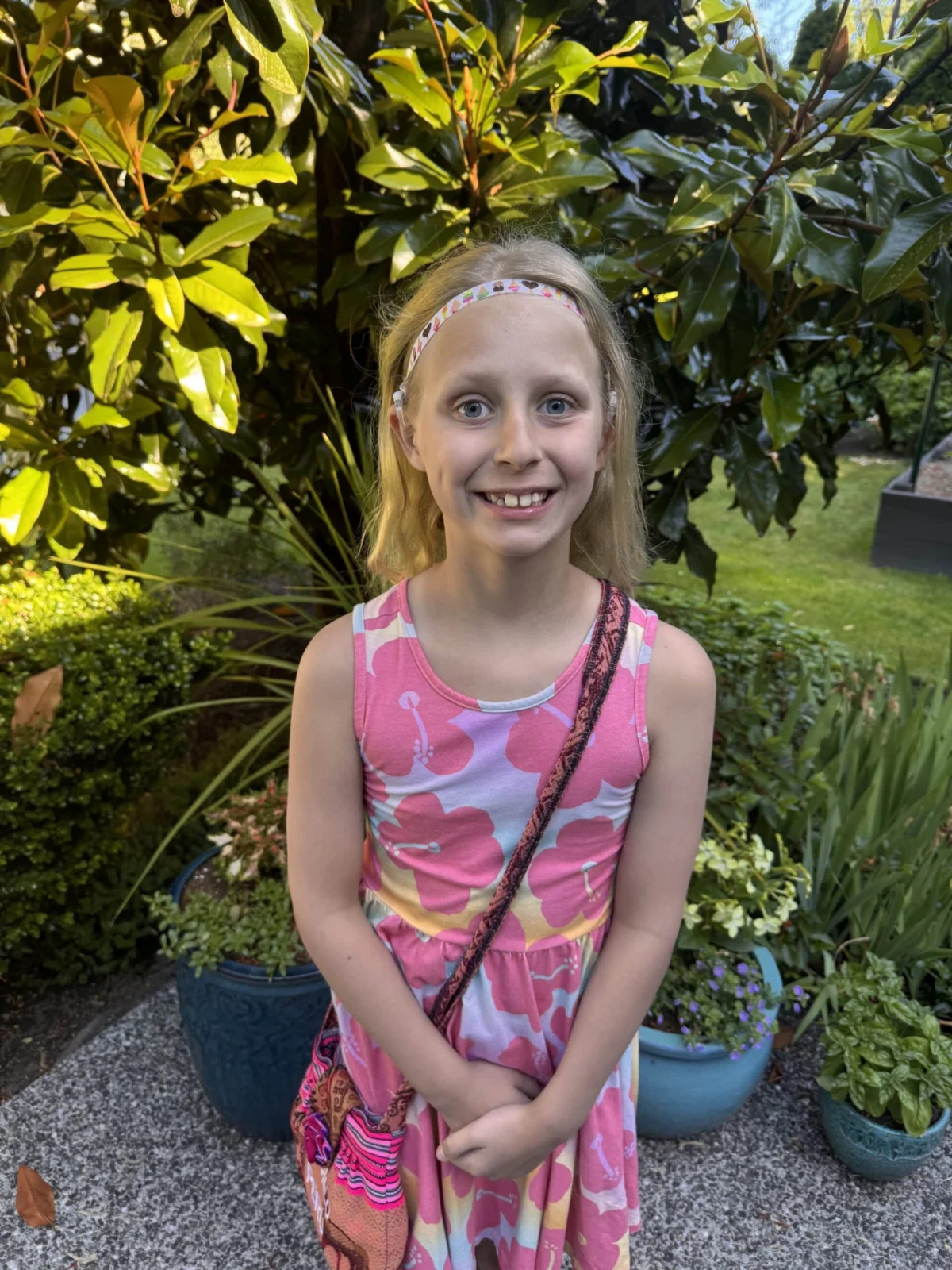
She received her first set of hearing aids at just two months old, a pivotal step that provided her developing brain with essential auditory input. This was followed by a surgical intervention at twelve months to receive her first cochlear implant, with a second device implanted at age two. The synchronization of these medical milestones with the "Birth-to-3" program at Listen and Talk allowed Marna’s family to implement LSL strategies in their home environment. By prioritizing auditory-verbal therapy, the family ensured that Marna’s brain was conditioned to process spoken language through her implants, fostering the foundational skills necessary for natural communication.
The Science of Listening and Spoken Language (LSL)
The LSL approach is built on the neuroplasticity of the developing brain. During the first few years of life, the auditory cortex is at its most malleable. Research from the American Cochlear Implant Alliance suggests that when children receive cochlear implants and consistent, high-quality language exposure before the age of three, they are significantly more likely to develop language skills commensurate with their hearing peers by the time they reach school age.
At Listen and Talk, the "Blended Classroom" model serves as an intermediate environment. Between the ages of three and five, Marna participated in this specialized curriculum, which integrates children with typical hearing alongside those with hearing loss. This environment is designed to normalize the use of assistive technology while providing the rigorous speech-language support that a traditional preschool might lack. For many families, this period is transformative, shifting the focus from the medical management of hearing loss to the development of social confidence and self-advocacy.
Supporting Data and Long-Term Outcomes
The broader implications of such programs are backed by longitudinal data. According to the Hearing First initiative, children who have access to LSL resources demonstrate improved academic performance, higher rates of enrollment in mainstream education, and greater social integration compared to those who do not receive specialized early support.
Furthermore, the shift in the pediatric population is notable. Data indicates that over 90% of children with hearing loss are born to parents with typical hearing, making parent-coaching models—like those utilized during the home visits in Marna’s early years—essential. These programs do not merely teach the child; they educate the parents on how to transform the home into a language-rich environment, turning everyday activities like mealtime, bath time, and grocery shopping into opportunities for auditory development.
The Role of Advocacy and Self-Esteem
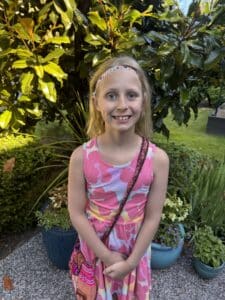
As Marna has transitioned into the broader community, her experience reflects the success of the "self-advocacy" component of her education. At eight years old, she is an active student, athlete, and reader. Her involvement in lacrosse, softball, soccer, and swimming is indicative of a broader trend: children with cochlear implants are increasingly participating in extracurricular activities that were once considered challenging or inaccessible due to equipment sensitivity or communication barriers.

Experts in the field of audiology and special education note that the "confidence gap" is often the greatest hurdle for children with hearing loss. When a child learns to view their cochlear implant as a tool for success rather than a limitation, their ability to navigate complex social settings increases exponentially. Marna’s ability to articulate her needs and engage with her peers is a direct result of the psychological and social scaffolding provided during her preschool years.
The Alumni Family Giving Campaign: Ensuring Sustainability
The current Alumni Family Giving Campaign, which features Marna’s story, is designed to address the financial realities of providing these intensive, specialized services. While medical insurance often covers the hardware associated with cochlear implants, the ongoing costs of specialized speech-language therapy, classroom staffing, and family support programs often fall outside the scope of traditional healthcare coverage.
Non-profit organizations like Listen and Talk rely on philanthropic support to keep these programs accessible to families regardless of their economic background. By inviting alumni families to share their success stories, the organization aims to emphasize that the investment in early intervention provides a substantial return on investment: the creation of productive, communicative, and self-assured members of society.

Broader Impact and Future Implications
The success of the "no child is limited by hearing loss" vision is predicated on early access to high-quality care. However, challenges remain, particularly in rural or underserved areas where access to LSL-trained clinicians is limited. The success of families like the Kleins provides a template for what is possible when early intervention is prioritized.
Looking forward, the integration of remote tele-therapy and the expansion of outreach programs are expected to be the next frontiers in ensuring that all children, regardless of geography, have the same opportunities as Marna. The case of the Klein family demonstrates that while the journey is demanding, the integration of medical technology and specialized educational support allows children with hearing loss to not only survive but to live life at full volume.
As Marna continues her education, her story serves as a reminder to stakeholders—including policymakers, educators, and the medical community—that the developmental window for hearing and speech is short. Sustained, long-term funding for institutions that provide these services is not merely a charitable act; it is a critical investment in the human capital of the next generation. By fostering an environment where technology and human potential intersect, programs like those at Listen and Talk ensure that the narrative for children with hearing loss is defined by their achievements rather than their limitations.