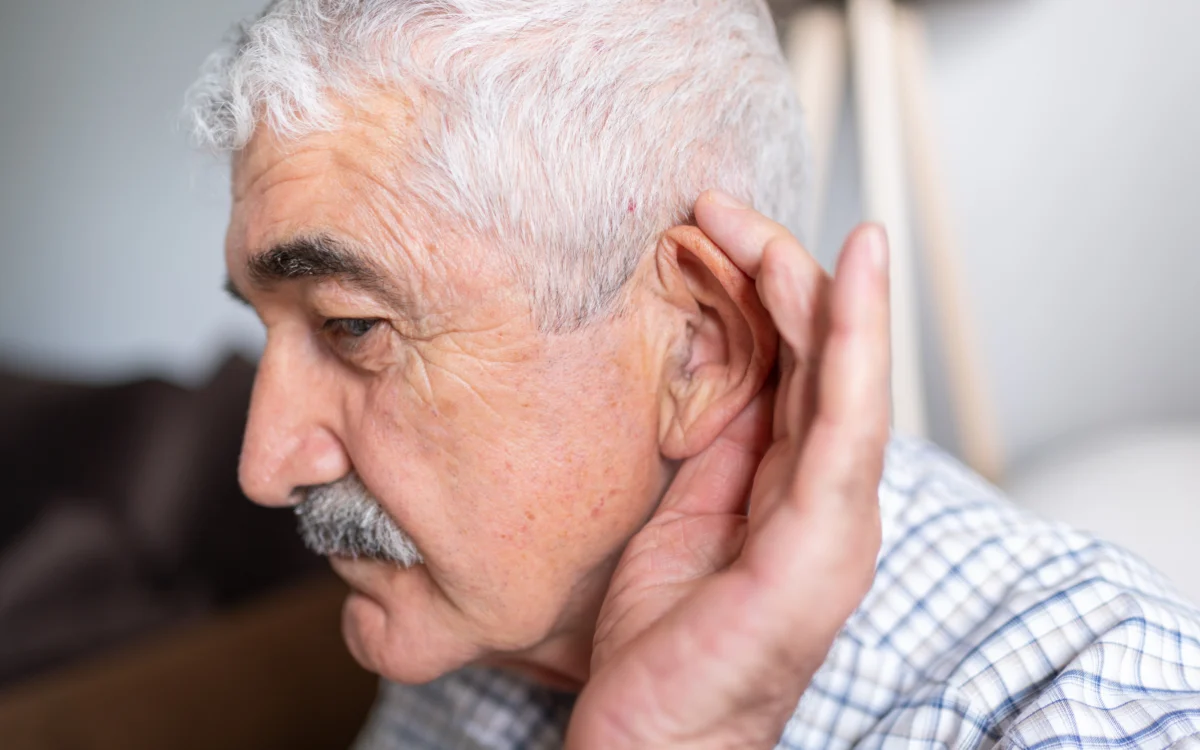
The urgency surrounding sudden hearing loss stems from its potential to be indicative of Sudden Sensorineural Hearing Loss (SSNHL), a condition directly impacting the inner ear or the auditory nerve. While some instances of sudden hearing loss may be attributed to more straightforward causes such as earwax impaction, middle ear fluid buildup, or infections, the inability to reliably discern the cause based solely on subjective symptoms underscores the critical need for professional assessment. Delaying medical consultation can significantly diminish the efficacy of treatment and potentially lead to irreversible hearing impairment.
Understanding the Urgency: Why Sudden Hearing Loss is a Medical Emergency
The consensus among audiology and otolaryngology professionals is clear: sudden hearing loss, regardless of apparent severity or accompanying symptoms, must be treated as a medical emergency until a qualified healthcare provider has conducted a thorough evaluation. This stance is primarily driven by the potential for SSNHL to become permanent if not addressed swiftly. While not every sudden hearing loss event will be severe or irreversible, the risk associated with delaying treatment for SSNHL is substantial.
The urgency is further amplified by the fact that SSNHL can develop rapidly, often within a 72-hour period, and typically affects only one ear. Symptoms associated with SSNHL can include tinnitus (ringing in the ears), a sensation of fullness or pressure in the affected ear, dizziness, or vertigo. Some individuals first notice the onset of SSNHL upon waking or when attempting to use the affected ear for communication, such as during a phone call.
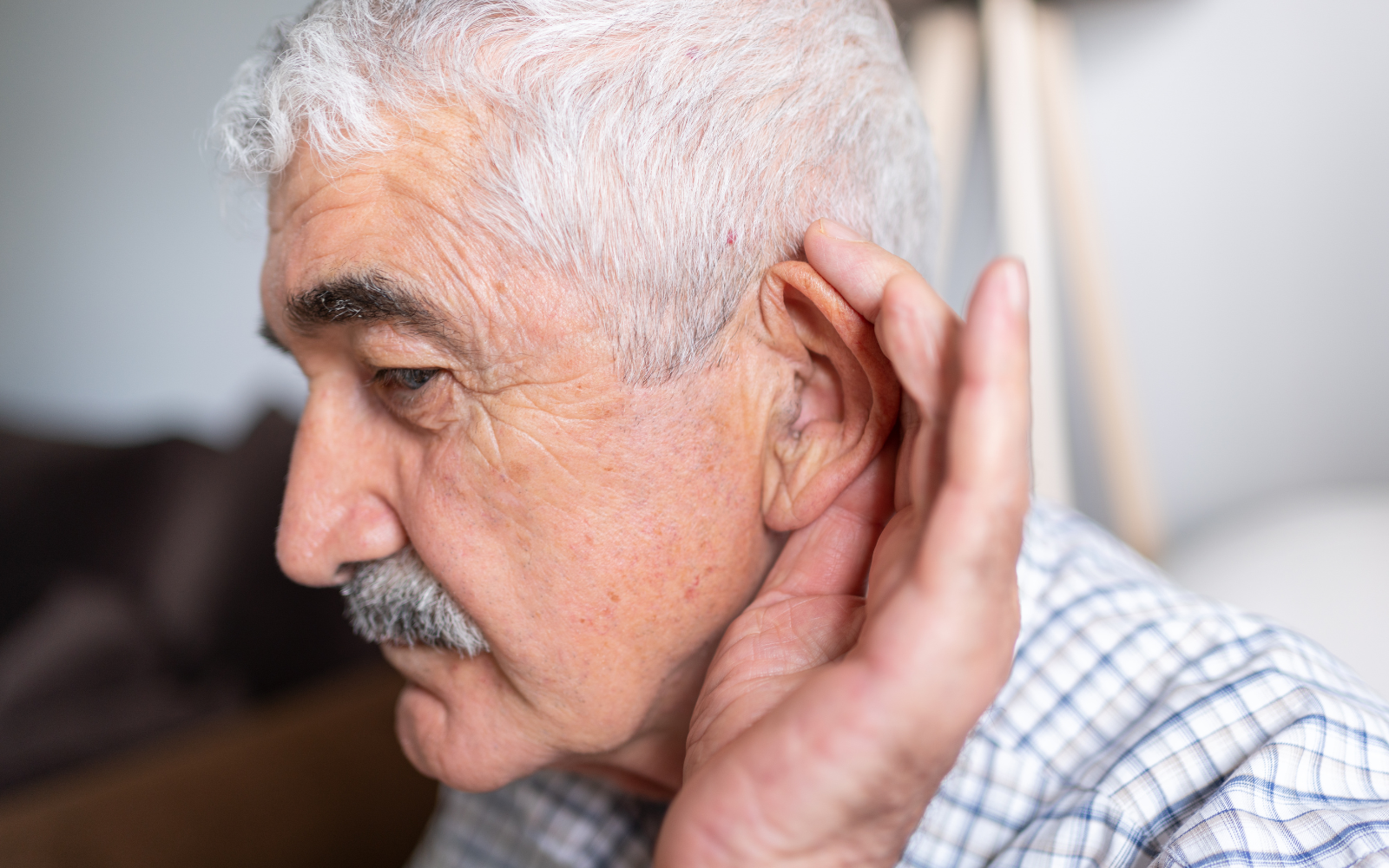
What to Do Immediately Upon Experiencing Sudden Hearing Loss
For individuals who suddenly experience a significant reduction in hearing in one or both ears, the immediate course of action should be to:
- Seek Immediate Medical Attention: Contact an ENT specialist or proceed to an urgent care clinic or emergency department without delay. Do not wait to see if the hearing loss resolves on its own.
- Avoid Self-Treatment: Resist the temptation to insert objects into the ear or engage in other self-administered remedies, as these actions can exacerbate the condition or obscure diagnostic findings.
- Note Accompanying Symptoms: Pay close attention to any other symptoms that may be present, such as dizziness, tinnitus, ear pain, fever, or neurological changes. This information will be crucial for the medical team.
When to Seek Emergency Care
While any instance of sudden hearing loss warrants prompt medical attention, certain accompanying symptoms elevate the urgency and necessitate immediate emergency care. These critical indicators include:
- Neurological Symptoms: Facial weakness or numbness, difficulty speaking, weakness or numbness in the arm or leg, or a sudden, severe headache. These can be signs of a more serious underlying neurological event.
- Severe Dizziness or Vertigo: Intense spinning sensations that impair balance.
- Head Injury: If the hearing loss occurs following a blow to the head.
- Fever: Indicative of a potential infection.
- Severe Ear Pain: Suggestive of an acute inflammatory process.
- Bilateral Hearing Loss: Sudden loss of hearing in both ears simultaneously, which can be a more significant concern.
The Spectrum of Sudden Hearing Loss: Causes and Manifestations
The causes of sudden hearing loss are diverse, broadly categorized into conductive and sensorineural types, along with other contributing medical conditions.

Conductive Hearing Loss: This occurs when sound waves are blocked from reaching the inner ear. Common causes include:
- Earwax Blockage: Excessive earwax accumulation can obstruct the ear canal.
- Middle Ear Fluid: Fluid buildup behind the eardrum, often due to infections or allergies.
- Outer or Middle Ear Infections: Inflammation and swelling that impede sound transmission.
- Pressure Changes: Sudden fluctuations in atmospheric pressure, such as during air travel or diving.
- Eardrum Perforation: A hole or tear in the eardrum.
Sensorineural Hearing Loss (SSNHL): This type of hearing loss arises from damage to the inner ear (cochlea) or the auditory nerve. While the exact cause of SSNHL is often unknown, potential contributing factors include:
- Viral or Inflammatory Processes: Infections or inflammation affecting the inner ear or auditory nerve.
- Vascular Issues: Reduced blood flow to the inner ear.
- Autoimmune Diseases: Conditions where the body’s immune system attacks its own tissues, including those of the auditory system.
- Ototoxic Medications: Certain drugs that can damage the auditory system.
- Ménière’s Disease: A disorder of the inner ear that can cause vertigo, tinnitus, and fluctuating hearing loss.
- Multiple Sclerosis: A neurological condition that can affect the auditory pathways.
- Head Trauma: Injuries to the head that can impact the auditory system.
- Acoustic Neuroma: A rare, benign tumor that grows on the auditory nerve, which can cause gradual or sudden hearing loss, tinnitus, and balance problems. An MRI is often recommended by ENT specialists to rule out this condition, especially in cases of single-sided sensorineural hearing loss.
What Sudden Hearing Loss Feels Like: Beyond Complete Silence
The subjective experience of sudden hearing loss can vary significantly among individuals. It is not always an instantaneous disappearance of all sound. Common sensations reported include:
- Muffled or Distorted Sound: Sounds may seem less clear or have a "fuzzy" quality.
- Fullness or Blockage: A feeling as though the ear is plugged or congested. This sensation can sometimes lead individuals to assume it’s merely earwax.
- Reduced Loudness: A general decrease in the ability to hear sounds at their usual volume.
- Tinnitus: A ringing, buzzing, or hissing sound in the affected ear.
- Dizziness or Vertigo: A sensation of spinning or imbalance.
Diagnosis: A Multi-faceted Approach
The diagnostic process for sudden hearing loss is comprehensive and aims to identify the underlying cause to guide treatment. Key components include:

- Otoscopic Examination: A visual inspection of the ear canal and eardrum by a healthcare professional to identify any obvious blockages like earwax, signs of infection, or fluid accumulation.
- Hearing Test (Audiometry): This is a crucial step, typically involving pure-tone audiometry. During this test, the softest sounds an individual can hear at various frequencies are measured. The resulting audiogram provides vital information about the degree and type of hearing loss.
- Medical History and Symptom Review: A detailed discussion of the patient’s symptoms, onset, duration, and any relevant medical history, including recent illnesses, medications, or head trauma.
- Additional Tests: Depending on the initial findings, an ENT specialist may recommend further investigations such as:
- MRI Scan: To rule out structural abnormalities like an acoustic neuroma or other retrocochlear pathology.
- Balance Tests: To assess vestibular function if dizziness is a prominent symptom.
- Blood Tests: To investigate potential underlying systemic conditions like autoimmune disorders or infections.
The primary goal of diagnosis is to differentiate between conductive, sensorineural, or mixed hearing loss, and to identify any specific medical conditions that may be contributing to the problem.
Treatment Options: Timeliness is Key
The treatment approach for sudden hearing loss is highly dependent on the identified cause and the promptness of diagnosis.
- Treatment of Underlying Causes: If the hearing loss is due to conductive factors like earwax, infection, or fluid, treating these conditions can often lead to the restoration of hearing. For example, earwax removal, antibiotics for infection, or medication to reduce fluid can resolve the issue.
- Corticosteroids for SSNHL: For Sudden Sensorineural Hearing Loss, corticosteroids are the primary medical treatment. They are administered to reduce inflammation in the inner ear or along the auditory nerve. These can be given orally or via intratympanic injection (injection through the eardrum).
- Timing is Critical: Guidelines from various audiology and otolaryngology organizations strongly recommend initiating corticosteroid treatment within the first two weeks of SSNHL onset. Early intervention is associated with a higher likelihood of successful recovery.
- Salvage Therapy: For individuals who do not achieve full hearing recovery, intratympanic steroid treatment may be offered as a salvage therapy between two to six weeks after the initial onset of symptoms.
- Other Therapies: In some cases, antiviral medications or other specialized treatments may be considered, although their efficacy can vary.
It is imperative to reiterate that treatment becomes significantly less effective as time passes. The window for reversing or significantly mitigating permanent hearing loss is limited, making prompt medical attention non-negotiable.
When Hearing Does Not Fully Return: Long-Term Management
Despite optimal medical intervention, hearing may not fully recover in all cases of sudden hearing loss. In such scenarios, a multidisciplinary approach involving hearing healthcare professionals is essential to manage the long-term impact of hearing impairment.

-
Follow-up Audiological Assessments: Regular hearing tests are crucial to monitor any residual hearing loss, assess the effectiveness of initial treatments, and determine the next steps.
-
Impact of Single-Sided Deafness: Long-term hearing loss in one ear can profoundly affect an individual’s quality of life. Challenges include:
- Difficulty Understanding Speech in Noise: The ability to discern speech in noisy environments is significantly diminished.
- Sound Localization Issues: Difficulty determining the direction from which sounds are originating.
- Increased Listening Effort: The brain has to work harder to process sound, leading to fatigue.
- Tinnitus Management: Persistent tinnitus can be distressing and impact daily functioning.
-
Rehabilitative Options: For individuals with persistent hearing loss, various rehabilitative solutions are available:
- Hearing Aids: For mild to moderate hearing loss, conventional hearing aids can amplify sounds and improve audibility.
- CROS/BiCROS Hearing Systems: For single-sided deafness, these systems transmit sound from the deaf ear to the better-hearing ear, improving awareness of sounds from the affected side.
- Cochlear Implants for Single-Sided Deafness (SSD): For individuals with severe-to-profound sensorineural hearing loss in one ear, a cochlear implant is a viable option. Unlike traditional hearing aids that amplify sound, cochlear implants bypass damaged parts of the ear to directly stimulate the auditory nerve. This technology can help restore the ability to hear sounds on the affected side and improve speech understanding in noisy environments. Suitability for cochlear implantation is determined by a comprehensive evaluation by a cochlear implant team.
Key Takeaways for Public Awareness
The critical message regarding sudden hearing loss is its potential to be a serious medical issue that demands immediate attention.
- Sudden hearing loss in one or both ears is a medical emergency. Do not delay seeking professional medical evaluation.
- The cause can be varied, ranging from simple blockages to complex neurological or inner ear issues. Self-diagnosis is unreliable and potentially harmful.
- Early diagnosis and treatment are crucial, particularly for Sudden Sensorineural Hearing Loss (SSNHL), to maximize the chances of hearing recovery.
- Prompt ENT assessment, including a hearing test, is essential for identifying the cause and determining the most appropriate treatment.
- If hearing does not fully recover, various rehabilitative options, including hearing aids and cochlear implants, are available to manage long-term hearing loss and improve quality of life.
By understanding the urgency and acting swiftly, individuals can significantly improve their prognosis and preserve their auditory health.

About the Author:
Dr. Yi Ge, a certified otolaryngologist, brings extensive experience to MED-EL. Since joining in 2003, she has held significant roles in clinical, regulatory, and medical affairs. As Senior Manager of Medical Affairs at MED-EL Innsbruck, Dr. Ge focuses on the assessment of medical processes that support product development and risk management. Her deep expertise in hearing implant systems and global regulatory requirements drives patient-centered innovation in hearing healthcare.