The document serves as a foundational roadmap for establishing active fire oversight, providing actionable protocols for pre-shift hazard assessments, standardized logging procedures, and rapid emergency response strategies. By centralizing these requirements, DCS aims to bridge the gap between regulatory compliance and operational safety, addressing the persistent risks associated with welding, cutting, grinding, and other operations that produce sparks or heat.
The Critical Need for Structured Fire Watch Protocols
Hot work remains one of the most significant fire hazards in the industrial and construction sectors. According to the NFPA, hot work—defined as any operation involving open flames or producing heat and/or sparks—is responsible for thousands of structure fires annually. These incidents often occur because hazardous conditions were not properly identified before work began, or because a fire watch was either absent or insufficiently trained to detect smoldering materials that can ignite hours after a task is completed.
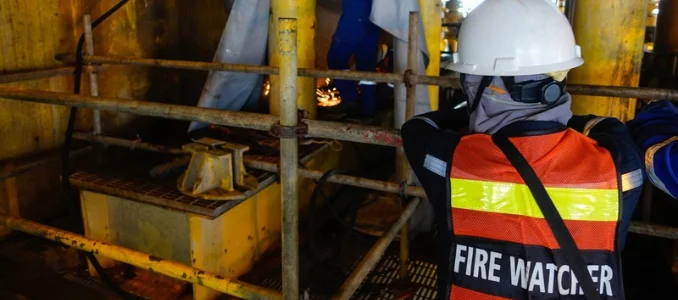
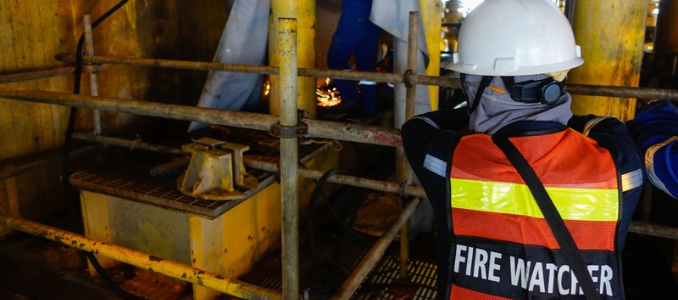
The DCS guide emphasizes that a fire watch is not merely a passive observational role but a critical safety intervention. A fire watcher is tasked with maintaining the "safety zone" around a hot work site, ensuring that combustible materials are removed or shielded and that fire extinguishing equipment is not only present but fully operational. The guide clarifies that the fire watcher must be empowered to stop work at any time if conditions become unsafe—a vital component of a culture of safety that often struggles to prioritize risk mitigation over production timelines.
Regulatory Context and OSHA Compliance
The legal framework for fire watch operations is primarily anchored in OSHA’s 29 CFR 1910.252, which outlines the welding, cutting, and brazing requirements for general industry. Specifically, the standard mandates a fire watch when hot work is performed in locations where other than a minor fire might develop, or where the following conditions exist:

- Appreciable combustible material in building construction or contents closer than 35 feet to the point of operation.
- Appreciable combustibles are more than 35 feet away but are easily ignited by sparks.
- Wall or floor openings within a 35-foot radius expose combustible material in adjacent areas, including concealed spaces in walls or floors.
- Combustible materials are adjacent to the opposite side of metal partitions, walls, ceilings, or roofs and are likely to be ignited by conduction or radiation.
DCS notes that many facility managers fail to realize that the fire watch obligation does not end the moment the torch is extinguished. OSHA and NFPA 51B, the Standard for Fire Prevention During Welding, Cutting, and Other Hot Work, explicitly require a fire watch to remain on-site for at least 30 minutes after the completion of hot work operations to detect and extinguish smoldering fires. The new guide reinforces this "30-minute rule," providing templates for logging these post-work checks to ensure accountability.
Comparison: In-House Staff vs. Third-Party Specialists
One of the most valuable sections of the DCS guide is its comparative analysis of deploying in-house personnel versus contracting dedicated third-party fire watch providers. This decision often hinges on the frequency of high-risk operations and the facility’s available resources.
In-house fire watch programs offer the advantage of familiarity; employees are already integrated into the facility’s culture and are aware of the specific site layout. However, the guide points out that in-house staff may be subject to "normalization of deviance"—a psychological phenomenon where safety shortcuts become accepted over time. Furthermore, using production staff for fire watch duties can create conflicts of interest, where the pressure to finish a task quickly outweighs the necessity of rigorous safety monitoring.

Conversely, hiring a third-party provider, such as DCS or similar specialized rescue teams, introduces an objective layer of oversight. Third-party fire watchers are often trained specifically for emergency response, equipped with specialized gear, and unencumbered by the production-related pressures faced by internal staff. The guide suggests that for high-risk projects—such as those involving volatile chemicals or complex, multi-story industrial environments—the specialized expertise of an external team can significantly lower the probability of catastrophic loss.
Data-Driven Safety: The Cost of Complacency
The impetus for this guide is rooted in the hard data regarding industrial fire losses. Every year, millions of dollars in property damage are attributed to hot work incidents that could have been prevented with better oversight. Beyond the financial impact, the human cost is significant. Injuries resulting from burns, smoke inhalation, and emergency evacuations often lead to extensive litigation, increased insurance premiums, and long-term reputational damage for firms involved in high-risk projects.
Analysis of industry trends indicates that firms investing in comprehensive fire watch training see a measurable reduction in "near-miss" reporting. By standardizing the pre-shift checklist—which includes verifying fire extinguisher certification, testing emergency communication systems, and inspecting the physical integrity of welding curtains—facility managers create a repeatable process that removes guesswork from the equation.

Strategic Implementation and Industry Reaction
Industry safety consultants have largely lauded the release of the DCS guide, noting that many small-to-mid-sized facilities lack the internal resources to synthesize OSHA’s complex requirements into a functional manual. By providing a clear, step-by-step document, DCS is effectively helping to democratize safety expertise.
"The challenge for most facility leaders is not the lack of desire to be safe, but the lack of clarity on how to scale safety protocols to meet the specific risks of their environment," says one industry observer familiar with the guide. "By focusing on the logging and documentation aspects of the fire watch, this guide turns a regulatory burden into an operational tool that can actually provide proof of compliance during a safety audit."
Broader Implications for Site Safety
The implications of this guide extend beyond the immediate scope of welding. As modern industrial facilities become increasingly interconnected and complex, the definition of "hot work" continues to expand. The use of lithium-ion battery charging stations, the maintenance of complex electrical grids, and the increasing density of plastic-based infrastructure have all added new variables to fire safety.

DCS’s guide encourages a holistic approach, suggesting that fire watch duty should be integrated into a larger Site-Specific Safety Plan (SSSP). This integration ensures that the fire watch is not acting in isolation but is part of a coordinated response team that includes emergency medical technicians (EMTs) and site security.
As facilities continue to prioritize environmental, social, and governance (ESG) goals, the ability to demonstrate rigorous safety compliance is becoming a competitive advantage. Companies that can show a documented, disciplined approach to fire prevention are more likely to secure favorable insurance rates and demonstrate their reliability to stakeholders.
Moving Forward: The Future of Fire Prevention
The release of the DCS guide is a timely reminder that technology and equipment can only go so far in preventing accidents. The human element—the vigilant fire watcher—remains the final line of defense against disaster.

The guide concludes by urging facility leaders to view the fire watch not as a check-box exercise, but as a critical component of their emergency preparedness infrastructure. As regulations become more stringent and the risks of industrial fires remain a persistent threat, the structured, informed, and objective approach outlined by Diversified Compliance Solutions provides a necessary framework for maintaining a safe and resilient work environment. By adopting these standardized protocols, facility managers can protect their workforce, their property, and their organizational integrity in an increasingly volatile industrial landscape.