The Scale of the Safety Challenge
The urgency of addressing PPE non-compliance is underscored by recent data from the Centers for Disease Control and Prevention (CDC). A rigorous analysis of OSHA’s Severe Injury Reporting data between 2015 and 2022 revealed that more than 2,100 oil and gas extraction workers suffered injuries severe enough to require hospitalization, including amputations and permanent eye loss. These figures represent only a fraction of the total incidents, as many minor injuries go unreported, and they highlight a systemic failure in the current safety paradigm.
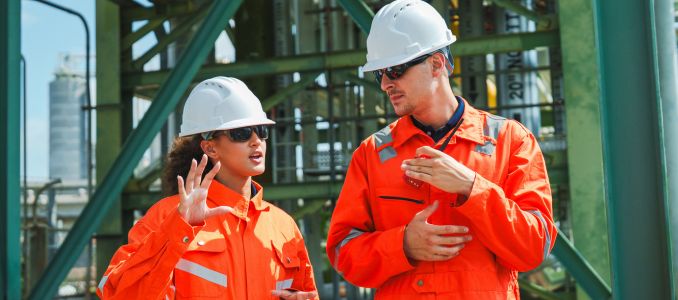
In many instances, safety professionals observe a "performance of compliance." Workers may wear full PPE during scheduled site inspections, safety audits, or in the presence of management. However, as soon as supervision wanes or the physical toll of a 12-hour shift mounts, the gear is often modified, loosened, or discarded entirely. This behavior is rarely an act of negligence or a willful disregard for safety; rather, it is often a physiological response to the stressors of the job.
Environmental Barriers and Heat Stress
The most significant physical barrier to consistent PPE usage in the oil and gas sector is the extreme environment. Many sites are located in arid, high-temperature regions or offshore environments where the heat index can reach dangerous levels. Standard-issue PPE—such as flame-resistant (FR) coveralls, hard hats, safety glasses, and heavy-duty gloves—is often constructed from materials that are not breathable.
When a worker is already operating in 100-degree heat, the addition of heavy, non-ventilated clothing can trigger rapid onset heat exhaustion. The body’s inability to thermoregulate leads to cognitive impairment, fatigue, and a reduced range of motion. In these moments, the worker faces a subconscious choice: continue wearing the PPE and risk heat stroke, or remove the gear to gain a measure of physical relief. When safety equipment actively interferes with the body’s ability to survive the environment, the gear ceases to be a tool for protection and begins to be perceived as a hazard itself.

The Problem of Poor Fit and Ergonomic Design
Beyond environmental factors, the ergonomic design of PPE remains a critical failure point. Historically, safety equipment has been manufactured to a "one-size-fits-most" standard, which rarely accounts for the diverse demographics of the modern workforce. Poorly fitted gear creates a cascade of safety issues.
For instance, safety glasses that do not sit correctly on the bridge of the nose are prone to slipping, leading workers to constantly adjust them—a process that introduces manual dexterity hazards. Bulky gloves designed for general-purpose use often make it difficult to operate fine-tuned controls on heavy machinery, forcing workers to remove them to complete complex tasks. When gear impedes a worker’s ability to perform their job efficiently, the worker is incentivized to find "workarounds," which almost always involve removing or compromising the protective equipment.
A Chronology of Regulatory Evolution
The history of PPE mandates in the oil and gas sector is a timeline of reactive policy shifts. Following major industrial disasters in the late 20th century, OSHA solidified its stance on mandatory PPE, placing the burden of provision and training squarely on the employer.

- 1970s-1980s: The implementation of the Occupational Safety and Health Act brought the first major wave of standardized PPE requirements.
- 1990s-2000s: Increased focus on flame-resistant clothing (FRC) as the industry recognized the prevalence of flash fires during maintenance and drilling operations.
- 2010s-Present: The industry shifted toward integrated safety management systems (SMS), moving beyond simple equipment provision to emphasize behavioral-based safety (BBS) and the "Total Worker Health" approach.
Despite these advancements, the industry has seen a plateau in safety outcomes. The move toward BBS, while well-intentioned, has been criticized for placing too much emphasis on worker psychology rather than the structural failings of the equipment being provided.
Industry Response and The Shift to "Comfort-Driven" Safety
Leading companies in the oil and gas space have begun to recognize that the traditional "enforcement-first" model is insufficient. Major operators are shifting their procurement strategies, prioritizing PPE that incorporates moisture-wicking technology, lightweight fabrics, and ergonomic articulation. The objective is to make the equipment "invisible" to the worker—gear that is so comfortable and functional that the worker does not feel the urge to remove it.
Safety professionals are also advocating for a collaborative design process. By involving field workers in the selection of PPE, companies ensure that the gear is tested against the actual tasks performed on-site. When a worker has input into the gear they wear, they are statistically more likely to maintain compliance, as the equipment becomes a partner in their productivity rather than an obstacle to it.
The Broader Economic and Human Implications
The failure to maintain PPE compliance carries immense economic weight. Beyond the human suffering associated with life-altering injuries, companies face significant financial losses through increased workers’ compensation claims, legal liabilities, lost productivity, and damaged reputations.
Furthermore, the aging workforce in the oil and gas sector presents a new set of challenges. Older workers may have different physical requirements for protective gear, and younger workers may demand higher standards of comfort and integration. If the industry fails to modernize its PPE strategy to address these nuances, it risks losing talent to other sectors that offer more modern, safety-conscious work environments.
Toward a Culture of Safety Integration
The solution to the PPE crisis in the oil and gas industry is not found in more stringent penalties or more frequent audits. These methods only serve to hide the problem rather than solve it. Instead, the path forward lies in a holistic integration of safety into the operational workflow.
This requires three primary actions:
- Material Innovation: Investing in advanced textiles that provide the necessary protection while allowing for maximum breathability and heat dissipation.
- Ergonomic Audits: Treating the selection of PPE with the same technical rigor as the selection of drilling equipment, ensuring that gear fits the individual rather than forcing the individual to adapt to the gear.
- Psychological Safety: Encouraging an environment where workers can voice concerns about their equipment without fear of reprimand. When a worker can report that a piece of equipment is causing fatigue or interfering with their task, the company can address the issue at the root cause, preventing the next potential incident.
In conclusion, the persistence of PPE non-compliance is a reflection of an industry in transition. As the oil and gas sector continues to face extreme environments and the demands of a modern workforce, it must move beyond the antiquated view that safety is simply a matter of rules and enforcement. By aligning equipment design with the realities of human physiology and the actual demands of the job, the industry can create a safer, more efficient, and more sustainable future for its most valuable asset: the worker. The data is clear: when the gear works for the worker, the worker will work with the gear.