
The Critical Window: Why Early Detection of Infant Hearing Loss Matters
Hearing plays an indispensable role in a child’s development, serving as the primary gateway for learning, communication, and social interaction. The first few years of life represent a critical window for auditory and language development. When hearing loss is present, this crucial developmental pathway can be significantly impacted, potentially leading to delays in speech and language acquisition, cognitive challenges, and social-emotional difficulties. Recognizing infant hearing loss promptly and initiating appropriate interventions can dramatically alter a child’s developmental trajectory, enabling them to achieve their full potential.
The World Health Organization (WHO) estimates that approximately 3 in every 1,000 newborns worldwide are born with some degree of hearing loss. In developed countries, this figure can rise to as high as 4-6 in every 1,000 newborns, with some sources suggesting up to 12 in 1,000 when including later-onset hearing loss. This underscores the widespread nature of the issue and the urgent need for comprehensive screening and support systems.
Understanding the Spectrum: Temporary vs. Permanent Hearing Loss
Infant hearing loss can manifest in various forms, broadly categorized into temporary and permanent types. Understanding these distinctions is crucial for diagnosis and treatment planning.
Temporary Hearing Loss in infants is often a consequence of manageable conditions. The most frequent culprits include fluid accumulation in the middle ear, commonly referred to as otitis media with effusion, or recurrent ear infections. Obstructions within the ear canal, such as excessive earwax or foreign objects, can also temporarily impede sound transmission. Fortunately, temporary hearing loss typically resolves with appropriate medical treatment, which may involve medication to clear infections or, in some cases, minor surgical interventions to drain fluid.

Permanent Hearing Loss, on the other hand, is a more complex condition that requires long-term management. It often stems from damage to the delicate structures of the inner ear, such as the cochlea, or issues affecting the auditory nerve, which transmits sound signals to the brain. Causes of permanent hearing loss can be congenital (present at birth) or acquired later in infancy or childhood. Treatment for permanent hearing loss focuses on maximizing a child’s access to sound and supporting their communication development through various assistive technologies and therapies.
A definitive diagnosis by a qualified specialist, such as an audiologist or an otolaryngologist (ENT doctor), is the only way to accurately determine the type and degree of hearing loss. This diagnosis typically involves a comprehensive audiological evaluation.
Decoding the Signs: Recognizing Hearing Loss in Infants and Toddlers
Parents and caregivers are often the first to notice subtle changes in a baby’s behavior that might indicate a hearing concern. Trusting parental instinct is paramount, and vigilance regarding developmental milestones is key.
From Birth to 3 Months:
- Lack of Startle Reflex: A baby at this age should startle or blink in response to sudden, loud noises. If they consistently show no reaction, it warrants investigation.
- Absence of Interest in Sound: While newborns are still developing their auditory focus, a lack of any discernible reaction to sounds, including their parents’ voices, can be an early indicator.
- Not Turning Towards Sound: By three months, babies typically begin to turn their heads towards familiar sounds, especially their parents’ voices. A failure to do so may signal a hearing issue.
From 3 to 6 Months:
- No Vocalization or Babbling: While some babies are more vocal than others, a complete absence of cooing and babbling by this age can be concerning.
- Limited or No Response to Name: Babies at this stage usually respond when their name is called. A lack of recognition could indicate they aren’t hearing it clearly.
- Difficulty Locating Sounds: While not always evident, if a baby seems unable to track the source of sounds that are present, it might be a sign.
From 6 to 12 Months (and Toddlers):

- Delayed or Absent Babbling: Babbling should become more varied and complex in the second half of the first year.
- Lack of Response to Simple Commands: As toddlers develop, they begin to understand and respond to simple instructions like "come here" or "give me the toy."
- Inability to Imitate Speech Sounds: Hearing loss can hinder a child’s ability to perceive and replicate the sounds of language, impacting their attempts to imitate speech.
- Delayed or Absent First Words: The typical age for a baby’s first word is around 12 months. Delays in this milestone are a significant red flag.
- Difficulty with Conversational Turn-Taking: As children grow, they begin to engage in simple back-and-forth communication. A lack of interest or ability to participate in this can be indicative of hearing challenges.
These signs may also emerge later, presenting as signs of deafness in toddlers, particularly if the hearing loss develops gradually over time.
Unraveling the Causes: Why Infant Hearing Loss Occurs
The origins of infant hearing loss are diverse, ranging from genetic predispositions to complications during pregnancy and birth.
Genetic Factors: Heredity is a significant contributor to congenital hearing loss, accounting for approximately 50% of cases. This can occur even without a known family history, as some genetic mutations can be inherited recessively or arise spontaneously.
Prenatal Infections: Certain infections contracted by the mother during pregnancy can severely impact fetal development, including the auditory system. Congenital cytomegalovirus (CMV) is a leading infectious cause of non-genetic hearing loss in newborns. Other culprits include rubella (German measles), herpes, and toxoplasmosis, all of which can damage the inner ear or auditory nerve, potentially leading to permanent or progressive hearing loss.
Prematurity and Low Birth Weight: Babies born prematurely or with very low birth weights are at a higher risk for hearing loss. These infants often require intensive medical care in neonatal intensive care units (NICUs), where various factors can contribute to auditory damage.
NICU-Related Factors: Complications arising during neonatal intensive care can include oxygen deprivation, severe infections, and exposure to medications that are potentially ototoxic (harmful to hearing).

Perinatal Complications: Events surrounding the birth itself can also play a role. Severe jaundice, a common condition in newborns, can, in its most severe untreated forms, lead to kernicterus, which can damage the auditory brainstem. Reduced oxygen levels during delivery can also negatively affect the auditory system.
Structural Abnormalities: Some infants are born with malformations or differences in the outer, middle, or inner ear structures that interfere with the normal transmission of sound.
Ototoxic Medications: Exposure to certain medications known to affect hearing, either taken by the mother during pregnancy or administered to the infant after birth, can contribute to hearing loss.
Temporary Factors: As mentioned earlier, fluid in the middle ear and recurrent ear infections can cause temporary hearing difficulties. While usually resolved, persistent issues can impact development.
In a substantial number of cases, a precise cause for infant hearing loss may not be identified. Regardless of the origin, early diagnosis and intervention are paramount to fostering optimal speech, language, and communication development.
The First Line of Defense: Newborn Hearing Screening
Recognizing the critical importance of early detection, virtually all developed nations have implemented universal newborn hearing screening programs. Most babies undergo this quick and painless screening before leaving the hospital or within the first month of life. This initial assessment is designed to identify potential hearing issues early on.
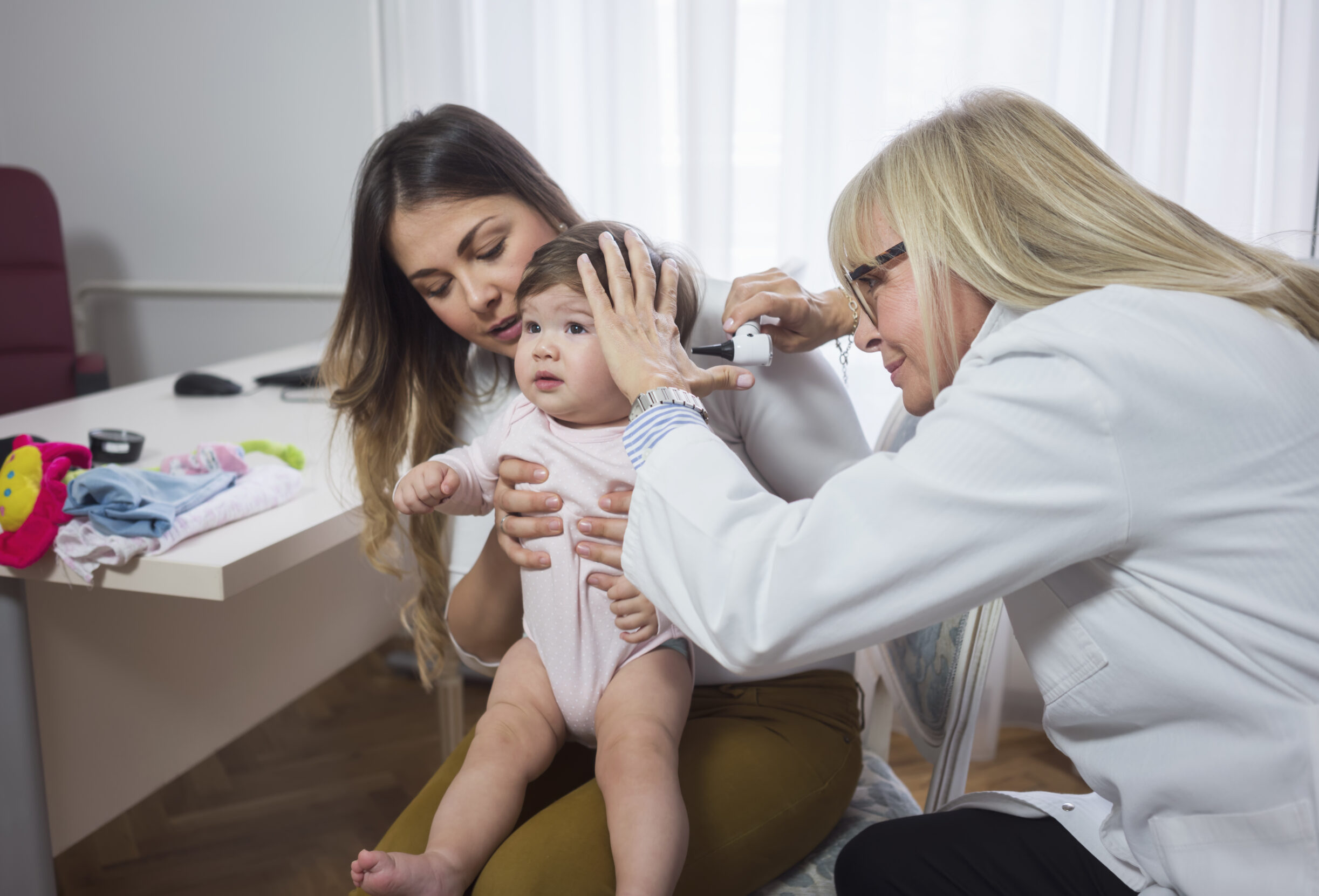
Two primary methods are commonly used for newborn hearing screening:
- Otoacoustic Emissions (OAEs): This test measures the "echo" a baby’s ear produces in response to a sound. A tiny earpiece is placed in the baby’s ear, emitting soft clicks. A healthy inner ear (cochlea) will produce an echo in response. If no echo is detected, it suggests a potential hearing problem.
- Auditory Brainstem Response (ABR): This test assesses how the auditory nerve and brainstem respond to sound. Small sensors (electrodes) are placed on the baby’s head and neck, and soft earphones play sounds. The sensors record the brain’s electrical activity in response to these sounds.
Screening Results are Typically Categorized as:
- Pass: This indicates that the baby’s hearing is within the normal range at the time of the screening. However, it’s crucial to remember that this is a snapshot, and hearing can change over time.
- Refer: This result suggests that further audiological evaluation is necessary. It does not definitively mean the baby has permanent hearing loss, as temporary factors like fluid in the ear or residual vernix in the ear canal can affect screening results. A follow-up appointment with a pediatric audiologist is essential.
The Nuance of Screening: Passing and Still Having Hearing Loss
It is a critical point that a baby can indeed pass a newborn hearing screening and still develop hearing loss later in life. This phenomenon is known as delayed-onset or progressive hearing loss. Approximately 2-4 out of every 1,000 infants who pass their initial screening may develop hearing loss by the time they reach school age.
A passed screening confirms the absence of significant hearing concerns at that specific moment. However, it cannot predict future changes. Therefore, ongoing vigilance from parents and caregivers is indispensable. This includes:
- Monitoring Hearing and Communication Milestones: Regularly assessing a child’s development against established milestones for hearing and language acquisition.
- Consulting a Pediatrician or Audiologist: If any concerns arise about a child’s hearing or speech development at any point, seeking professional evaluation is crucial.
Navigating a "Refer" Result: The 1-3-6 Rule
If a baby does not pass the initial newborn hearing screening (receiving a "refer" result), it can be a source of anxiety for parents. However, it’s vital to approach this with calm determination, understanding that a follow-up is the next crucial step. Many babies who "refer" ultimately have normal hearing.
The 1-3-6 Rule provides a critical timeline for follow-up and intervention:

- By 1 Month: Infants who do not pass the initial screening should have a comprehensive audiological evaluation by a pediatric audiologist.
- By 3 Months: If hearing loss is confirmed, a diagnostic evaluation should be completed to determine the type, degree, and configuration of the hearing loss.
- By 6 Months: If hearing loss is identified, early intervention services should be initiated.
Adhering to this timeline is profoundly important. Early intervention during the critical periods of speech and language development can significantly mitigate the long-term effects of hearing loss, maximizing a child’s potential for language acquisition and cognitive growth.
Understanding Unilateral Hearing Loss
Infant hearing loss can affect one ear (unilateral) or both ears (bilateral). Unilateral hearing loss, where a baby can hear in one ear but not the other, can still have significant implications for development.
Even with one functioning ear, unilateral hearing loss can impact:
- Sound Localization: The ability to determine the direction from which a sound is coming is impaired, making it difficult to locate sounds in noisy environments.
- Speech Understanding in Noise: Children with unilateral hearing loss often struggle to comprehend speech when there is background noise.
- Auditory Processing: The brain’s ability to process and interpret auditory information can be affected, particularly the development of balanced auditory pathways.
Early in life, the brain relies on input from both ears to establish robust and balanced auditory processing. When hearing is reduced in one ear, this can influence how the brain develops its capacity to process sound over time. Even a baby who is "deaf" in one ear can benefit immensely from early support and monitoring.
A Multifaceted Approach: Treatment Options for Hearing Loss
The treatment of infant hearing loss is highly individualized, depending on the specific cause, type, and severity of the condition. A multidisciplinary team of specialists typically develops a comprehensive care plan.
Medical Treatment for Temporary Causes: For hearing issues stemming from fluid buildup or ear infections, medical interventions are often effective. This may include antibiotic or anti-inflammatory medications. In persistent cases, a myringotomy (a small incision in the eardrum to insert a ventilation tube) might be recommended to equalize pressure and drain fluid.
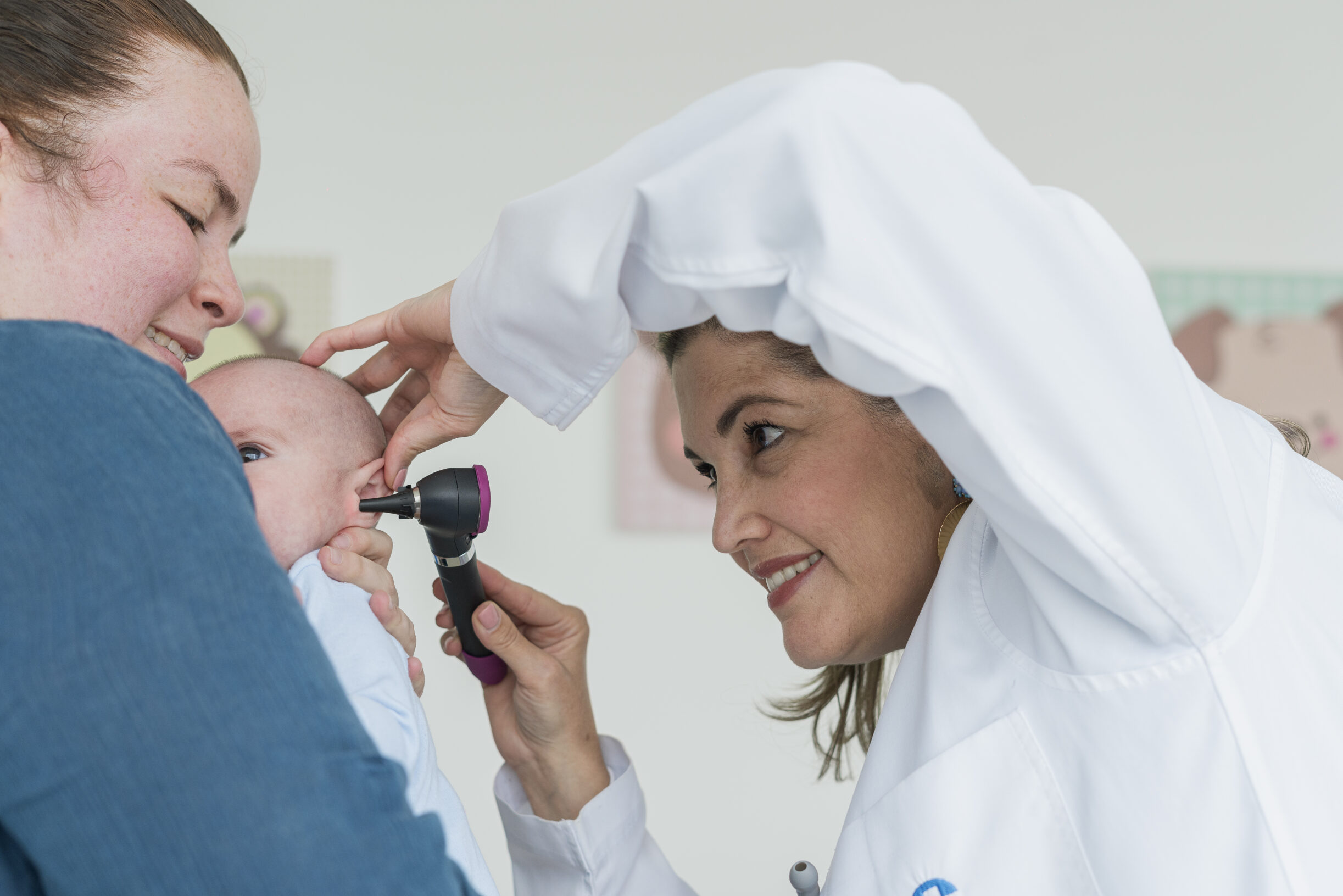
Early Intervention Programs: These programs are foundational for infants diagnosed with hearing loss. They provide crucial support through speech-language therapists, audiologists, and early childhood educators. Therapies focus on developing communication skills, enhancing listening abilities, and supporting overall cognitive and social development during the most critical periods of growth.
Support from Specialists: A network of professionals plays a vital role. Pediatric audiologists conduct diagnostic evaluations and manage hearing technology. Otolaryngologists (ENT specialists) diagnose and manage medical causes of hearing loss. Early intervention specialists guide families through developmental support services.
Hearing Aids: For infants with mild to moderate hearing loss, hearing aids can be highly effective. These devices amplify sounds, making speech and environmental noises more accessible. Modern pediatric hearing aids are small, comfortable, and can be custom-fitted to a baby’s ear.
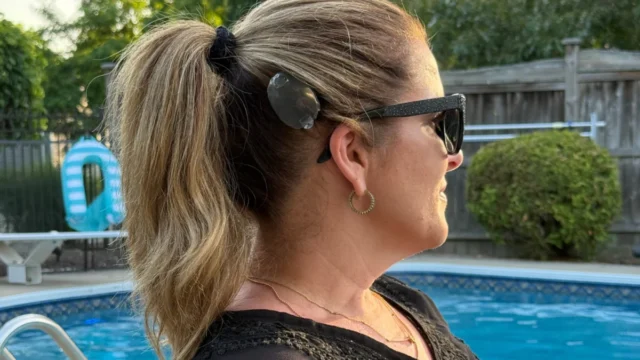
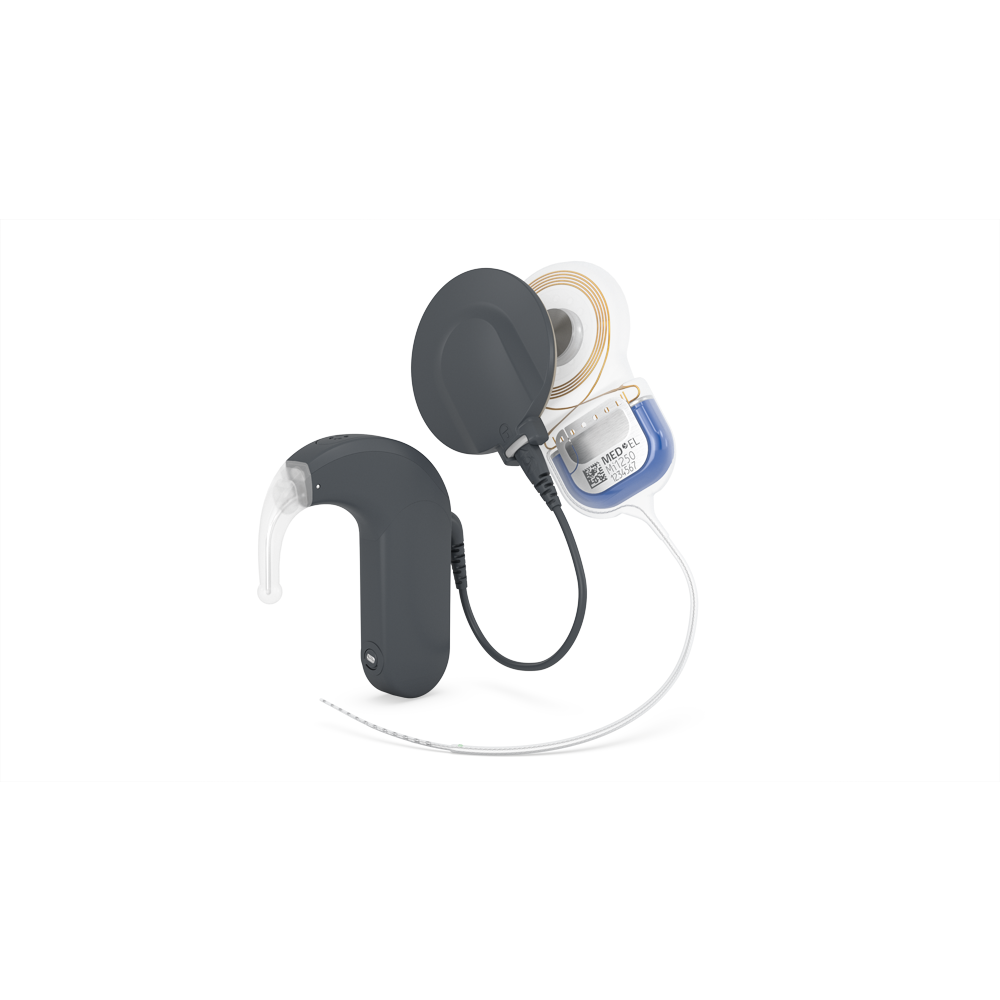
Cochlear Implants: In cases of severe to profound sensorineural hearing loss, where hearing aids are insufficient, cochlear implants offer a more advanced solution. These surgically implanted devices bypass damaged parts of the inner ear and directly stimulate the auditory nerve, providing access to sound. Cochlear implantation is a complex procedure, and successful outcomes are heavily reliant on early implantation and intensive post-operative auditory therapy. MED-EL, a leading provider of implantable hearing solutions, emphasizes the importance of timely intervention and comprehensive support for children with hearing loss.
Empowering Parents: Next Steps and Resources
The journey of managing infant hearing loss can be challenging, but with early diagnosis, expert guidance, and robust support systems, children can develop strong communication skills and lead fulfilling lives.
For Parents Concerned About Their Baby’s Hearing:
- Consult Your Pediatrician: Discuss your concerns openly with your child’s doctor. They can perform an initial assessment and refer you to specialists if needed.
- Seek a Comprehensive Audiological Evaluation: If hearing loss is suspected or confirmed, an audiologist specializing in pediatrics is essential for accurate diagnosis and management.
- Engage with Early Intervention Services: These programs provide invaluable support for your child’s development and offer resources and guidance for your family.
- Stay Informed and Advocate: Educate yourself about hearing loss and the available treatment options. Become an advocate for your child’s needs within educational and healthcare systems.
- Connect with Support Networks: Joining parent support groups can provide emotional support, practical advice, and a sense of community with others facing similar challenges.
Dr. Yi Ge, Senior Manager of Medical Affairs at MED-EL Innsbruck, highlights the patient-centered approach crucial in hearing healthcare: "Our work at MED-EL is driven by the commitment to developing innovative hearing solutions that empower individuals, especially children, to experience the world of sound. Early diagnosis and timely intervention are not just medical imperatives; they are fundamental to unlocking a child’s full potential for communication and lifelong learning. We collaborate closely with medical professionals and families to ensure that every child has the opportunity to hear and thrive."
Frequently Asked Questions
What are the early signs of hearing loss in infants?
Early signs can include not startling at loud sounds, not turning toward voices, not responding to their name, delayed babbling, or delayed speech development. Signs can vary by age, so it is important to watch hearing and communication milestones over time.
What does it mean if my baby does not pass the newborn hearing screening?
A "refer" result means your baby needs follow-up testing. It does not always mean permanent hearing loss, but it is important to schedule the next evaluation promptly so doctors can better understand your baby’s hearing needs.
Can a baby pass screening and still have hearing loss?
Yes. A baby can pass a newborn hearing screening and still develop hearing loss later. This is called delayed-onset or progressive hearing loss, which is why parents should continue monitoring hearing, speech, and language milestones as their child grows.
What causes hearing loss in babies?
Hearing loss in babies can be caused by genetics, infections during pregnancy, prematurity, NICU-related factors, jaundice, structural differences in the ear, or temporary conditions such as fluid or ear infections. In some cases, the exact cause is not known.
How is hearing loss in infants treated?
Treatment depends on the cause and severity of the hearing loss. Options may include medical treatment, hearing aids, cochlear implants when appropriate, speech and language support, and follow-up care with hearing specialists. Early intervention can help support communication and language development.

The journey of understanding and addressing infant hearing loss is one that requires vigilance, informed action, and unwavering support. By recognizing the signs, understanding the causes, and embracing the available interventions, families can navigate this challenge and ensure their child has the best possible foundation for a life filled with sound and communication.
© MED-EL Medical Electronics. All rights reserved. The content on this website is for general informational purposes only and should not be taken as medical advice. Contact your doctor or hearing specialist to learn what type of hearing solution suits your specific needs. Not all products, features, or indications are approved in all countries.