The transition from a standard safety protocol to an industry-recognized model of excellence highlights the efficacy of voluntary compliance programs. By shifting the focus from mere regulatory adherence to a proactive, employee-centric engagement model, A-Line TDS has successfully mitigated risks associated with high-stakes industrial activities, such as the dismantling and recycling of heavy-duty electrical transformers.
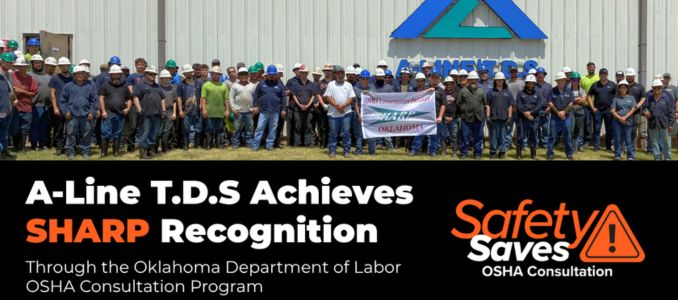
A Chronology of Safety Transformation
The path to SHARP certification was neither immediate nor accidental; it was the result of a deliberate, phased approach to safety management. In 2022, A-Line TDS initiated its first formal consultation with the Oklahoma Department of Labor. This initial phase served as a baseline audit, identifying potential workplace hazards that were previously overlooked or inadequately managed.
Following the initial assessment, the company did not simply remediate the identified technical violations; it overhauled its communication strategy. The introduction of open-forum daily safety meetings marked a pivotal departure from top-down safety management. These meetings were designed to provide a secure environment for employees—who are the individuals most intimately familiar with day-to-day operational risks—to voice concerns, suggest modifications to existing workflows, and report near-miss incidents without fear of reprisal.
By 2024, the cumulative effect of these process improvements began to manifest in the company’s internal reporting metrics. The final push toward SHARP status involved rigorous onsite evaluations by state consultants, ensuring that the company’s safety management system not only met but exceeded the standards required for the designation. The formal recognition in 2025 served as the capstone to this three-year evolution.

The Mechanism of SHARP Certification
The Safety and Health Achievement Recognition Program (SHARP) is a voluntary program designed for small and medium-sized enterprises that operate within high-hazard industries. Administered by OSHA through state-level partners, SHARP provides a pathway for businesses to exempt themselves from programmed OSHA inspections for a specified period, provided they maintain their exemplary safety standards.
To qualify for SHARP, a business must undergo a comprehensive safety and health consultation visit, involve employees in the development of safety programs, and correct all hazards identified during the initial assessment. Furthermore, the company must demonstrate that it has implemented a robust Injury and Illness Prevention Program (IIPP). For A-Line TDS, achieving this status was not merely about regulatory exemption; it was a testament to their commitment to creating a sustainable safety ecosystem.
Data-Driven Outcomes and Operational Success
The impact of these procedural changes has been quantifiable. According to internal reports provided to the Oklahoma Department of Labor, the most significant change observed at the Tonkawa facility was the marked decline in near-miss reports. While a reduction in actual injury incidents is the primary goal of any safety program, an increase in reported near misses—when coupled with a decline in accidents—often indicates a healthier safety culture. It suggests that employees are identifying and documenting potential hazards before they escalate into injurious events.

Furthermore, the company has reported zero safety incidents during high-risk operations involving transformer dismantling. This is a critical metric for a firm in the transformer recycling sector, where the combination of heavy machinery, hazardous materials such as residual oils, and electrical components presents a complex risk profile. The consistency of these results over the past year has provided the Oklahoma Department of Labor with the evidence necessary to validate the efficacy of the consultation program as a tool for small-business risk management.
The Role of Employee Participation
Central to the success of A-Line TDS is the democratization of safety. In many industrial settings, safety is perceived as a set of rules enforced by management to satisfy regulatory requirements. At A-Line TDS, the shift toward daily open forums transformed safety into a shared responsibility.
Industry analysts often note that the "human element" is the most frequent cause of workplace accidents. By integrating the frontline workforce into the decision-making process, the company achieved two primary objectives: first, it leveraged the collective knowledge of its workers to identify practical solutions to mechanical risks; and second, it fostered a sense of ownership over safety protocols. When employees are involved in the design of safety measures, compliance rates naturally increase, and the vigilance required to prevent accidents becomes ingrained in the daily workflow.

Implications for Small and Medium-Sized Enterprises
The success of A-Line TDS serves as a scalable model for other small and medium-sized businesses (SMBs) across the United States. Many SMBs operate under the misconception that OSHA consultation services are purely punitive or that the resources required to achieve SHARP status are beyond their budgetary reach. However, the experience of A-Line TDS demonstrates that the consultation program is an advisory, non-adversarial service.
The broader implications of this success story are significant. In an era where workplace safety is increasingly linked to productivity, insurance premium reductions, and employee retention, companies that invest in voluntary compliance programs often find themselves at a competitive advantage. The cost of a single serious workplace incident—including legal fees, medical costs, potential fines, and the loss of experienced personnel—far outweighs the time and resource investment required to engage in an OSHA consultation program.
Expert Analysis of Voluntary Compliance Trends
Industrial hygienists and safety consultants point to the A-Line TDS case as a prime example of the "Safety Maturity Model." The model posits that organizations move through stages of safety development, beginning with reactive compliance and evolving toward a proactive, integrated safety culture.

The Oklahoma Department of Labor’s involvement highlights the importance of state-led initiatives in supporting the federal OSHA mission. By providing the technical expertise necessary for small companies to navigate complex safety regulations, state programs ensure that the highest standards of protection are accessible to firms that may lack the large-scale safety departments of major corporations.
As A-Line TDS continues to operate under its SHARP designation, the company serves as a reminder that safety excellence is a continuous process rather than a final destination. The requirement to maintain SHARP status ensures that the company will remain engaged in ongoing assessment and improvement, preventing the complacency that often sets in after an initial period of high-level performance.
Future Outlook and Industry Standards
Moving forward, the success of the Tonkawa facility provides a compelling narrative for the efficacy of federal-state partnerships in workplace safety. While the technology of transformer recycling continues to evolve, the core principles of hazard identification and employee engagement remain universal.

For the broader recycling and waste management industry, the A-Line TDS model offers a roadmap for navigating the unique hazards inherent in the sector. By prioritizing the visibility of risks and the empowerment of the workforce, other firms can potentially mirror the achievements of this Oklahoma-based recycler, ultimately contributing to a national downward trend in workplace injuries and fatalities.
The recognition by the Oklahoma Department of Labor is not just a badge of honor for the company; it is an affirmation of the collaborative approach to industrial health. As OSHA continues to promote the SHARP program, the story of A-Line TDS will likely be utilized as a key case study in how small businesses can achieve high-level safety performance through dedication, partnership, and a fundamental respect for the wellbeing of the workforce.