A Chronology of Diagnosis and Early Intervention
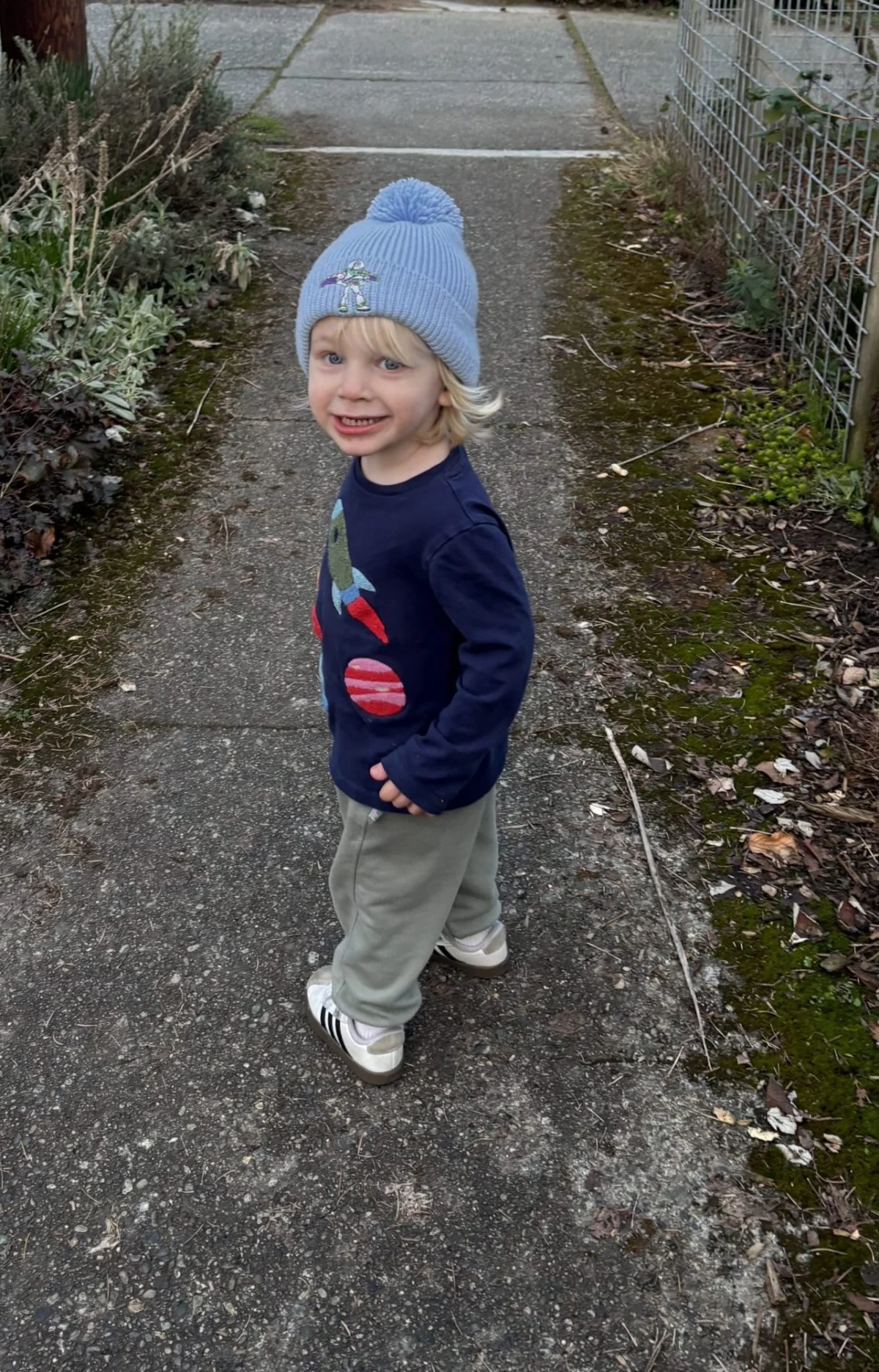
Landon’s journey began shortly after birth. When he failed his newborn hearing screening, his parents were thrust into a complex medical landscape. By two months of age, clinical evaluations confirmed a mild-to-moderate bilateral sensorineural hearing loss. Genetic testing eventually revealed the underlying cause: a specific genetic mutation involving the deletion of both the STRC and CATSPER2 genes. These deletions specifically affect the stereocilia in the inner ear, making the processing of higher-frequency sounds—such as the sibilant "s" sound or the ambient noise of running water—particularly difficult.
By the time Landon turned 17 months old, he was fitted with hearing aids. However, the medical diagnosis was only the beginning of a broader developmental strategy. When Landon was just three months old, his family engaged with Listen and Talk, a specialized provider that integrates clinical support with educational outreach. Through their Birth to Three program, the family was paired with a specialist who provided not only technical guidance on hearing aid troubleshooting and speech development techniques but also essential emotional scaffolding during a high-stress period of medical testing.
The Science of Early Intervention
Data from the Centers for Disease Control and Prevention (CDC) consistently highlights that children who receive early intervention services for hearing loss are significantly more likely to achieve age-appropriate communication milestones. Hearing loss, if left unaddressed, can lead to developmental delays in speech, language, and social-emotional growth.
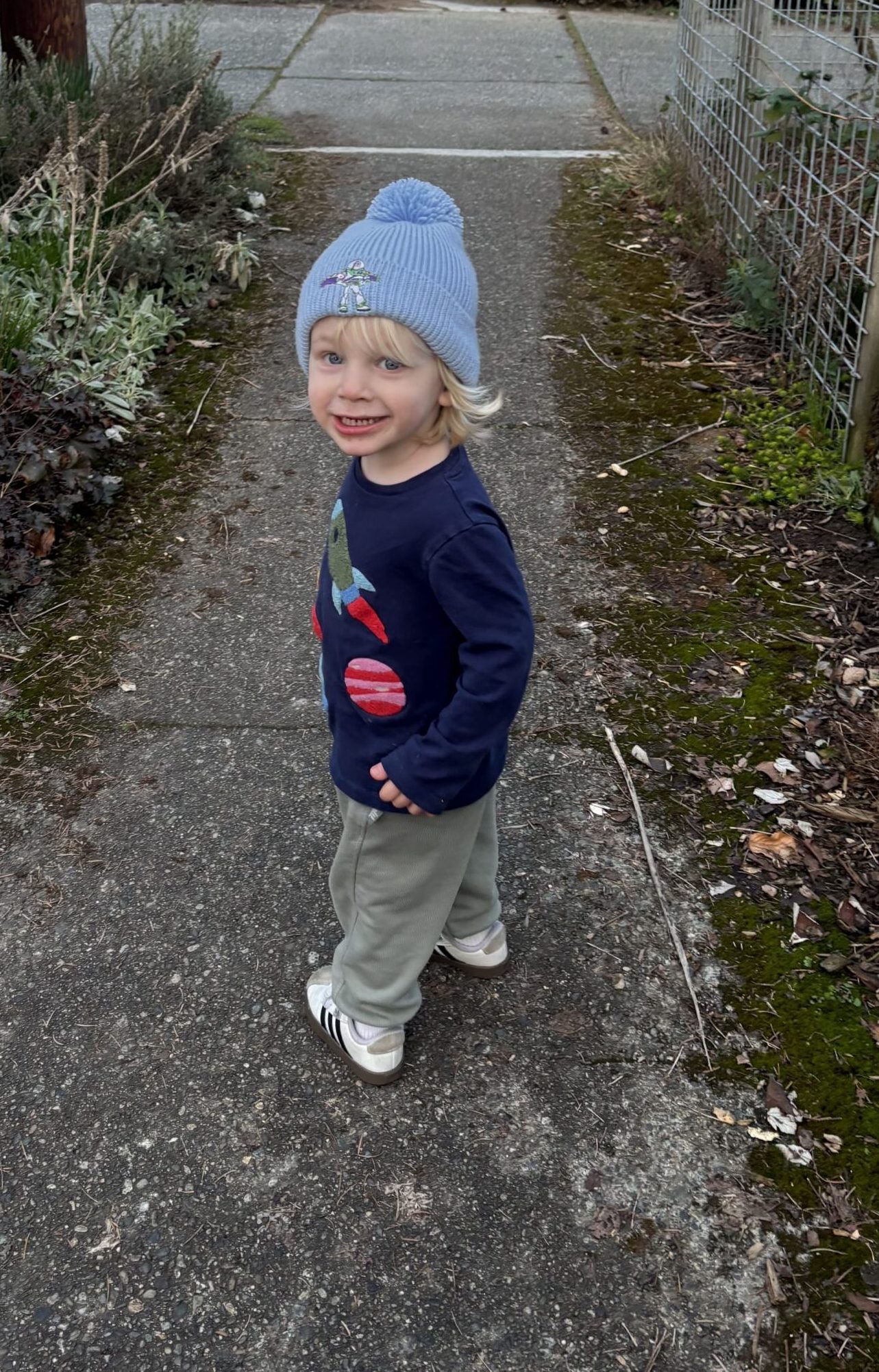
In Landon’s case, the intervention strategy was multifaceted. It involved:
- Auditory Access: Improving his ability to perceive high-frequency sounds through consistent amplification and monitoring.
- Parental Education: Equipping his family with specialized reading techniques and strategies to foster language acquisition at home.
- Educational Advocacy: Working directly with his preschool teachers to modify his learning environment. This included environmental adjustments, such as seating him closer to instructors and reducing ambient noise, as well as recognizing "hearing fatigue"—a condition where the effort required to listen in noisy environments causes significant exhaustion in children with hearing impairments.
The Blended Classroom Model
The pedagogical framework employed by organizations like Listen and Talk is often referred to as the "Blended Classroom." This model integrates children with hearing loss into the same environment as their typically hearing peers. The objective is to create an auditory-rich, stimulating atmosphere that encourages natural communication while providing the necessary "pull-out" support for specialized speech therapy.
This dual-track approach provides two distinct benefits. First, it ensures the child receives the clinical therapy required to bridge developmental gaps. Second, it facilitates the development of self-advocacy skills. By navigating a general education setting, children learn to communicate their needs to teachers and peers—a skill that is essential for long-term academic success in primary and secondary school. Research indicates that students who learn to advocate for their own hearing needs early in life exhibit higher levels of self-esteem and better academic performance in later years.
Economic and Social Implications
The societal cost of hearing loss, when managed early, is substantially lower than the long-term impact of untreated impairment. Early intervention programs are often structured as social impact enterprises, utilizing public and private funding to bridge the gap between initial diagnosis and the implementation of effective treatment.
For many families, the financial burden of frequent audiology testing, speech therapy, and specialized equipment can be prohibitive. Organizations that subsidize these services play a vital role in ensuring that a child’s developmental potential is not dictated by their family’s socioeconomic status. Furthermore, the "Listen and Talk" model demonstrates that when schools are equipped with the knowledge to accommodate hearing loss, the entire student population benefits from an environment that prioritizes clear communication and active listening.

Expert Perspectives on Long-Term Outcomes
Professionals in the field of audiology and early childhood education note that the "window of opportunity" for language development is narrowest before the age of five. During this period, the brain’s neuroplasticity is at its peak. Consequently, the work done by specialists in home visits and classroom settings is not merely supportive; it is transformative.
The support provided to Landon’s teachers is a prime example of systemic intervention. By coaching educators on how to manage the classroom environment, the interventionists ensure that the progress made during one-on-one therapy sessions is reinforced throughout the school day. This consistency is the cornerstone of effective therapy. As Landon’s vocabulary has grown and his articulation has improved, the measurable success of his development underscores the effectiveness of a collaborative approach involving parents, therapists, and educators.
Moving Forward: The Role of Advocacy and Funding
As the prevalence of early hearing screening increases, the demand for high-quality intervention programs continues to rise. The model championed by organizations like Listen and Talk relies heavily on sustained investment to maintain the infrastructure of audiology labs, speech therapy departments, and specialized teaching staff.
For parents currently navigating the initial stages of a hearing loss diagnosis, the advice from those who have successfully navigated the process is consistent: early and proactive engagement with specialists is the most effective way to secure a child’s future. The transition from diagnosis to successful integration into a standard classroom setting requires a robust support system, but the long-term outcomes—a child who is fully equipped to communicate and thrive—justify the initial investment of time and resources.
The vision that "no child is limited by hearing loss" remains the ultimate goal of these programs. As Landon’s progress continues, his experience stands as a testament to the fact that with the right tools, the right support, and an early start, the barriers posed by hearing loss can be effectively managed, allowing children to reach their full potential alongside their peers. The continued success of such initiatives remains dependent on public awareness and the financial support of communities committed to inclusive education.