Historical Context and Development of the Resource
The journey toward this publication began as an effort to localize established AAC methodologies for diverse cultural contexts. Originally authored and conceptualized in Portuguese, the guide was recognized for its high efficacy in clinical and home-based settings. Recognizing that the Spanish-speaking community—comprising hundreds of millions across Latin America and Europe—lacked a standardized, accessible, and free introductory resource, the collaborative team embarked on a rigorous translation and adaptation project.
The collaboration between ISAAC Brazil and Fiocruz is not merely a linguistic translation; it is a cultural adaptation. Fiocruz, renowned globally for its public health and scientific research, provided the technical framework necessary to ensure that the medical and therapeutic concepts presented are scientifically sound. Meanwhile, ISAAC Brazil brought decades of expertise in advocating for the rights of individuals with complex communication needs (CCN). The resulting guide was curated to address the foundational pillars of AAC: the right to communication, the debunking of myths regarding AAC use, and the practical implementation of tools for daily living.
Chronology of the Initiative
The project followed a multi-stage development cycle, which allowed for the refinement of both the content and the user experience:
- Initial Conceptualization (2024–2025): The core team identifies the critical need for a Spanish-language manual that is both jargon-free and inclusive of real-world experiences.
- Pilot Testing: The Portuguese edition undergoes rigorous field testing in various clinical environments to ensure the efficacy of the instructional diagrams.
- Translation and Cultural Adaptation (Late 2025): The team begins the process of localizing terminology to ensure that the Spanish version resonates with various regional dialects and educational standards.
- Stakeholder Review: Experts from ISAAC chapters across Spanish-speaking regions review the content for clarity and ethical standards.
- Public Launch (April 2026): The guide is officially released as a free, open-access digital document, disseminated through the official channels of ISAAC Español and partner organizations.
Supporting Data and The Need for AAC
The demand for such a resource is underscored by global disability statistics. According to recent data from the World Health Organization (WHO) regarding developmental disabilities, a significant percentage of individuals with neurological or physical conditions—including cerebral palsy, autism spectrum disorder, and degenerative motor diseases—require some form of AAC to participate fully in society.
Despite the prevalence of these needs, the "communication gap" remains a pervasive issue. Studies indicate that early intervention using AAC systems significantly improves cognitive outcomes and social integration. However, families often struggle with the "implementation barrier," where the technology exists but the social and practical support systems to utilize it effectively are absent. This new guide aims to fill that vacuum by providing step-by-step guidance on how to move from a basic understanding of AAC to the consistent, meaningful use of tools in school, work, and community settings.
Core Content and Clinical Implications
The guide is structured to be accessible to a wide demographic, ranging from parents who are new to the concept of AAC to professionals seeking a refresher on best practices. Key sections include:
- Fundamental Rights: A strong emphasis on the human right to communicate, citing international mandates that protect the interests of non-speaking individuals.
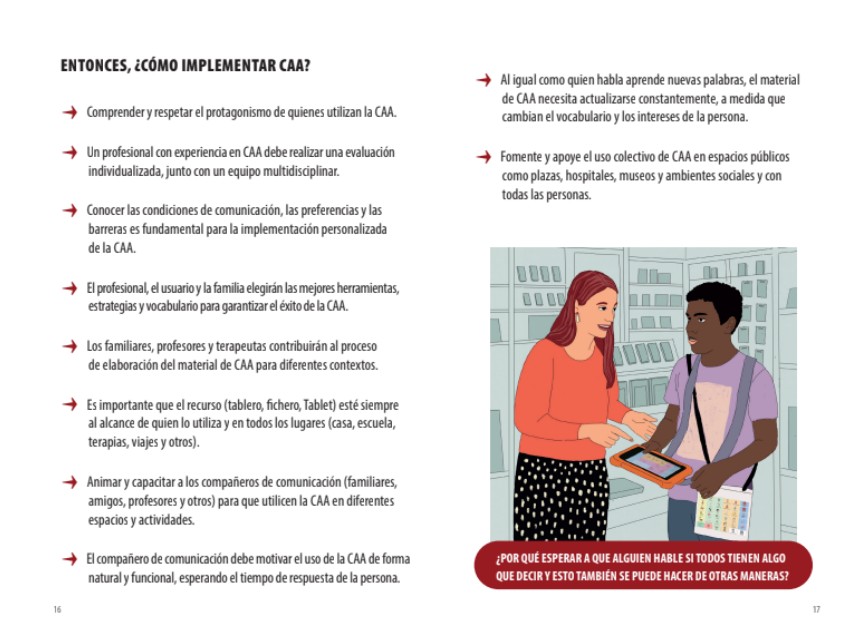
- Implementation Strategies: Practical advice on modeling—the practice of communicating with the user by using their own AAC system—which is recognized by speech pathologists as the gold standard for language acquisition.
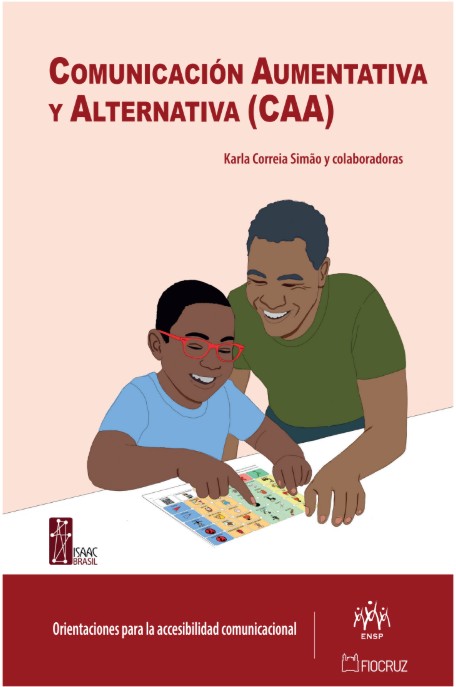
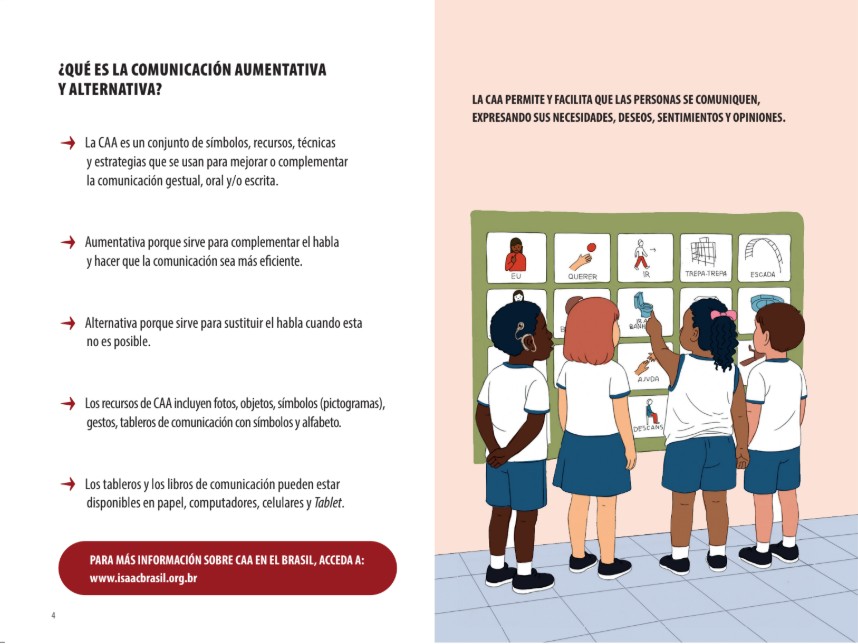
- Real-World Representation: A defining feature of the guide is the inclusion of illustrations depicting real AAC users. This choice serves a twofold purpose: it normalizes the use of devices and aids in the identification of different types of systems, from low-tech paper boards to high-tech speech-generating devices.
Official Responses and Organizational Impact
Representatives from ISAAC have highlighted the release as a pivotal achievement in their ongoing mission to promote the best possible communication for people with complex communication needs. In a statement regarding the launch, organizational leads noted that the guide is designed to dismantle the "expert-only" barrier that often surrounds AAC. By democratizing this information, the authors intend to place the power of communication directly into the hands of the individuals who need it most, supported by a knowledgeable and empowered community.
The integration of QR codes and digital download links within the guide’s promotional material indicates a modern, mobile-first approach. By utilizing social media platforms like Instagram and Facebook to host the files, the project organizers have ensured that the material can be easily shared via instant messaging apps, which are the primary means of communication for many families in Latin America.
Broader Impact and Future Outlook
The publication of this guide is expected to have far-reaching implications for the field of special education and speech-language therapy. By providing a free, standardized framework, the guide potentially reduces the reliance on costly, proprietary materials that have historically been gated behind paywalls.
Furthermore, the document serves as a catalyst for advocacy. As more families and educators gain access to the language and strategies contained within, the collective demand for inclusive communication policies is likely to grow. This could lead to better integration of AAC in public school systems and healthcare facilities across the Spanish-speaking world.
As the global community continues to prioritize accessibility, initiatives like the ISAAC-Fiocruz collaboration represent the future of digital equity. By providing a bridge between complex medical needs and simplified, actionable information, the guide does not merely teach a skill; it facilitates the basic human necessity of expression. Whether it is an individual requesting a meal, a student participating in a classroom debate, or a child expressing affection, the tools provided in this guide act as the essential equipment for active participation in the human experience.
The guide is currently available for download, and its creators are encouraging widespread distribution to ensure that it reaches the remote areas and underserved communities where resources for speech and communication have historically been scarce. Through this effort, the message remains clear: communication is a right, and through collaborative, accessible education, that right can be protected and promoted for all.