Vestibular disorders, which stem from damage to the inner ear or the parts of the brain that process sensory information, affect millions of individuals worldwide. Despite their prevalence, these conditions are frequently categorized as "invisible illnesses" because they often lack outward physical markers. For parents, this invisibility creates a unique set of challenges, as the physical toll of a "spinning" world must be balanced against the constant, high-energy requirements of child-rearing. Dizzy Parents Day serves as a formal recognition of the extraordinary perseverance required to maintain a household when one’s internal sense of equilibrium is fundamentally compromised.
The Medical Landscape of Vestibular Dysfunction
To understand the significance of Dizzy Parents Day, it is necessary to examine the scope of vestibular disorders. According to data from the National Institute on Deafness and Other Communication Disorders (NIDCD), approximately 35% of U.S. adults aged 40 years and older—roughly 69 million people—have experienced some form of vestibular dysfunction. These conditions include Benign Paroxysmal Positional Vertigo (BPPV), Meniere’s disease, vestibular migraine, and labyrinthitis.
Symptoms often involve more than just a sensation of spinning. Patients frequently report oscillopsia (the illusion that the visual world is jumping), cognitive "brain fog," extreme fatigue, and a heightened sensitivity to light and sound. For a parent, these symptoms are not merely medical inconveniences; they are barriers to daily functioning. Activities that many take for granted, such as driving a carpool, attending a child’s loud sporting event, or even bending down to tie a toddler’s shoe, can trigger debilitating episodes of vertigo or nausea.
The diagnostic journey for these patients is often protracted. Research indicates that vestibular patients may see multiple specialists over several years before receiving an accurate diagnosis. This delay can lead to increased psychological distress, particularly for parents who may feel they are "failing" in their domestic roles without understanding why their bodies are betraying them. Dizzy Parents Day addresses this by validating the patient experience and emphasizing that symptoms are biological, not behavioral.
Chronology of Awareness: From Grassroots to Global Recognition
The emergence of Dizzy Parents Day is a testament to the power of digital community building. The initiative began within The Dizzy Moms Club, a support group that recognized a void in the broader disability discourse. While general vestibular awareness was increasing, the specific nuances of parenting with these conditions remained largely unaddressed.
The event’s timeline is structured to maximize visibility and community engagement:
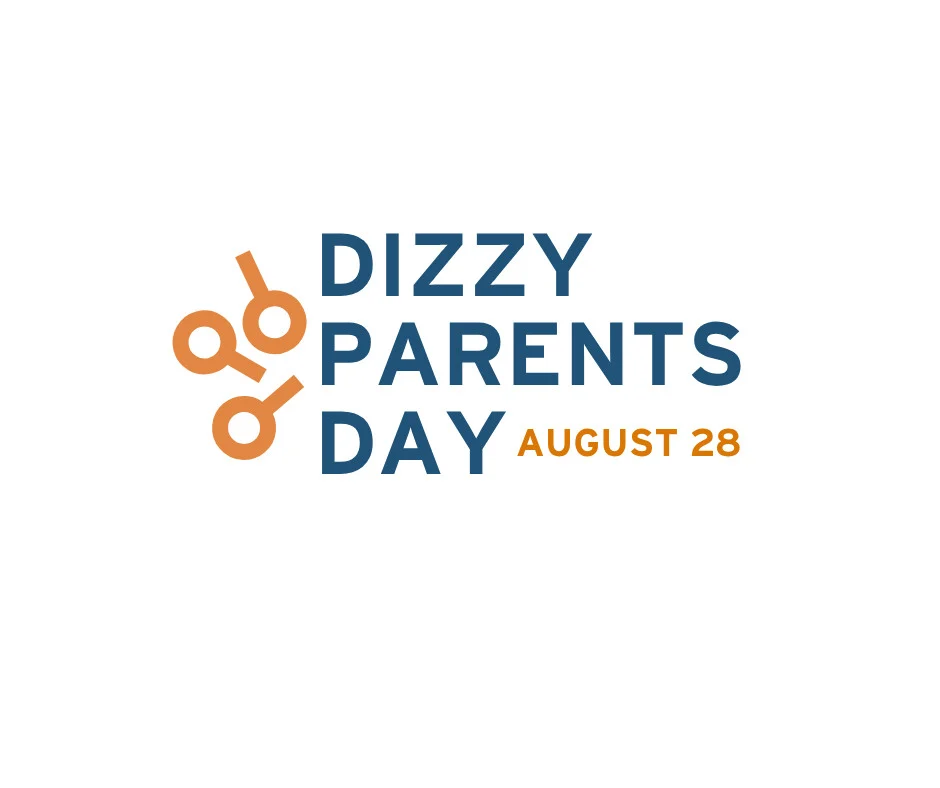
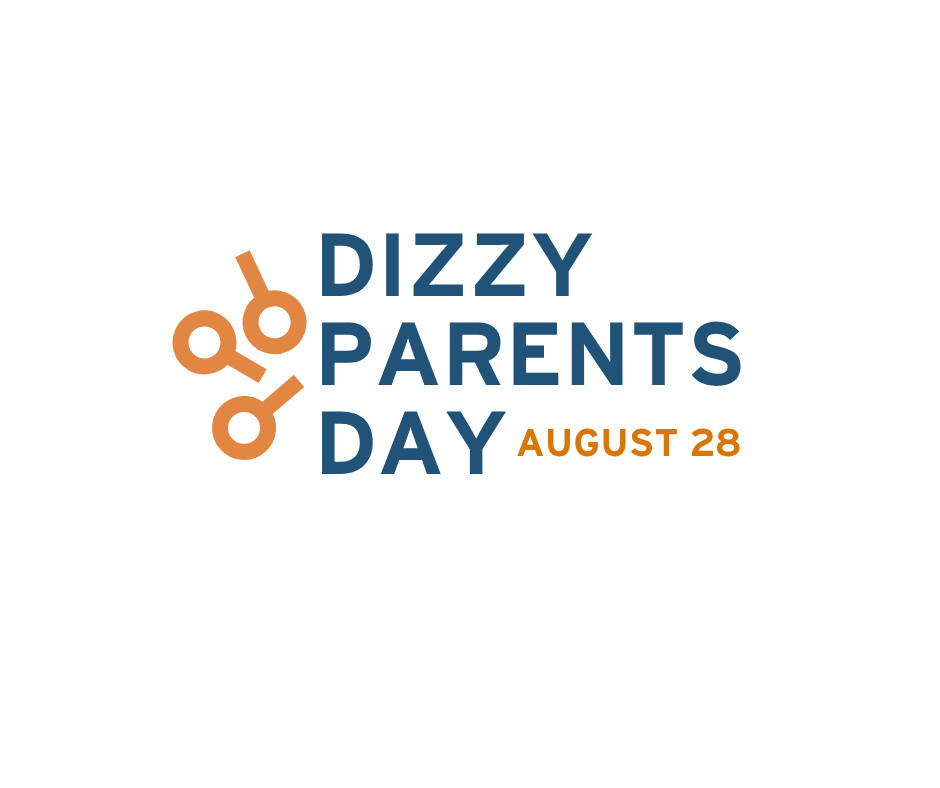
- August 27: The Prelude to Awareness. On the eve of the official day, participants are encouraged to update their social media presence. By adopting the official Dizzy Parents Day logo—which features three interconnected circles—supporters create a digital wave of recognition. This phase is designed to spark curiosity among the general public and invite conversations about vestibular health.
- August 28: The Day of Action. The main event features a multi-pronged approach. The Dizzy Moms Club releases curated video content that documents the lived experiences of parents. These testimonials often contrast the internal chaos of a vertigo attack with the external calm required to comfort a child.
- The "Steady Space" Photo Challenge. Throughout the day, parents are invited to share images of their "steady spaces"—the specific environments, such as a darkened bedroom or a specific recliner, where they retreat to manage symptoms. This exercise is intended to humanize the statistics of chronic illness and show the physical reality of living with a balance disorder.
Symbolic Representation and the Family Unit
The iconography of Dizzy Parents Day is deeply rooted in medical science and social psychology. The official logo’s three interconnected circles serve a dual purpose. Primarily, they represent the three semicircular canals of the inner ear—the lateral, anterior, and posterior canals—which are responsible for detecting rotational head movements. When these canals or the fluid within them are compromised, the brain receives conflicting signals, leading to the sensation of vertigo.
Secondary to the medical definition, the circles symbolize the "three pillars" of the vestibular parent’s life: the parent, the family, and the support community. Advocacy groups emphasize that while the disorder may affect the individual’s balance, it should not lead to the collapse of their social or familial support systems. The interconnectedness of the circles suggests that resilience is a collective effort, requiring the understanding of spouses, the patience of children, and the expertise of medical professionals.
The Societal and Psychological Implications of Parenting Through the Spin
The impact of vestibular disorders on the family dynamic is a subject of increasing interest among sociologists and mental health professionals. Parenting with a chronic illness requires a radical shift in the traditional "perfectionist" parenting model. Dizzy Parents Day advocates for a "resilience-based" model, where parents are celebrated for their ability to adapt rather than their ability to perform at a typical physical level.
Experts note several key adaptations that dizzy parents must implement:
- Sensory Management: Families often learn to navigate "low-stimulus" environments, reducing household noise and bright lighting to prevent triggering the parent’s symptoms.
- Physical Limitations: Traditional play, such as wrestling or spinning, is often replaced with stationary activities like reading, board games, or "couch camping."
- Communication: Parents must often explain invisible symptoms to young children, fostering a high level of empathy and emotional intelligence within the family unit from an early age.
However, the psychological burden remains significant. Many parents report "guilt of absence"—the feeling of missing out on milestones because they were physically unable to leave a darkened room. By establishing a dedicated day of recognition, advocacy groups hope to alleviate this guilt by reframing rest as a necessary component of caregiving.
Official Responses and Advocacy Perspectives
The Vestibular Disorders Association (VeDA), the leading international organization for vestibular patients, has been a vocal supporter of the initiative. In statements regarding the event, VeDA representatives have emphasized that "no parent should navigate an unsteady world alone." The association highlights that awareness is the first step toward better clinical outcomes. When teachers, coaches, and neighbors understand the nature of vestibular disorders, they are better equipped to offer the specific types of support these families need.
Logical inferences from healthcare providers suggest that Dizzy Parents Day also serves as a crucial educational tool for the medical community. General practitioners and pediatricians who become aware of the event may be more likely to screen for vestibular issues when a parent presents with vague symptoms of fatigue or "dizziness," rather than dismissing them as mere "parental burnout."
Broader Impact and Future Outlook
The implications of Dizzy Parents Day extend beyond the immediate vestibular community. It contributes to a broader cultural shift in how society views disability. By focusing on "invisible" conditions, the event challenges the misconception that a disability must be seen to be valid.
In the long term, the success of such awareness days can influence policy and workplace standards. For instance, increased awareness may lead to better accommodations for parents in the workplace who suffer from vestibular migraines, or more accessible environments in public schools and community centers.
Furthermore, the data collected through social media engagement and photo challenges provides advocacy groups with qualitative evidence of the patient experience. This information is vital for lobbying for research funding and developing targeted support programs. As the global population ages and the incidence of vestibular issues likely increases, the frameworks of support established by organizations like The Dizzy Moms Club and VeDA will become increasingly essential.
Dizzy Parents Day is more than a date on a calendar; it is a movement toward empathy. It reminds the public that behind the "invisible" struggle of chronic dizziness is a parent who is choosing, every day, to keep moving forward for the sake of their family. By shining a light on these "steady spaces" and the people who inhabit them, the vestibular community is ensuring that while the world may spin, the support for those within it remains firm.