

Natalie Teakle, a Speech and Language Therapist and Rehabilitation Manager at MED-EL, emphasizes that simple, actionable adjustments can make a profound difference. Her expertise, honed through global training and mentoring in hearing loss rehabilitation, informs practical strategies designed to empower individuals with hearing loss and their families. The following comprehensive approach outlines five key areas for home environmental optimization, aiming to foster greater independence, clearer communication, and enhanced safety within the domestic sphere.
Optimizing Home Acoustics for Clearer Communication
The inherent design of many homes, characterized by open spaces, hard flooring, and minimal soft furnishings, can exacerbate the challenges faced by individuals with hearing loss. These environments are prone to generating echoes and reverberation, which distort sound and make speech comprehension a demanding task. This acoustic phenomenon can be particularly detrimental for hearing implant recipients, whose auditory processing may already be affected.

- Reducing Echo and Reverberation: The introduction of soft materials is a cornerstone of acoustic management. Carpets and area rugs, strategically placed in high-traffic areas and living spaces, can absorb a significant amount of sound, thereby reducing the intensity of echoes. Similarly, thick draperies or curtains, especially those made from heavier fabrics, can act as sound dampeners. Wall hangings, such as tapestries or fabric art, can also contribute to a softer acoustic environment. For individuals with significant hearing loss, the impact of these changes can be transformative, allowing for more effortless participation in conversations and a greater sense of connection with their surroundings.
- Strategic Furniture Placement: The arrangement of furniture can also play a role. U-shaped seating arrangements, for instance, can facilitate better visual and auditory engagement during conversations, bringing participants closer together and reducing the distance over which sound needs to travel and potentially degrade.
Enhancing Visual Cues for Improved Communication
For many individuals with hearing loss, visual cues are an indispensable component of effective communication. Lipreading, often an unconscious skill developed over time, allows for the comprehension of spoken words by observing the movements of the speaker’s lips, face, and body language. This reliance on visual information underscores the importance of good lighting.
- The Role of Lighting: Adequate and even lighting is crucial for enabling clear lipreading. Shadows cast on a speaker’s face can obscure vital visual cues, making it difficult to follow a conversation. Therefore, ensuring that faces are well-lit, without harsh shadows, is paramount. This can be achieved through a combination of ambient lighting, task lighting focused on conversational areas, and positioning of light sources to avoid backlighting individuals who are speaking. Natural light, when available and not creating glare, is also highly beneficial.
- Beyond Lipreading: Beyond lipreading, good lighting also aids in recognizing facial expressions, which convey a wealth of emotional and contextual information that complements verbal communication. This holistic approach to visual communication is vital for fostering genuine connection and understanding.
Leveraging Technology for Seamless Auditory Input
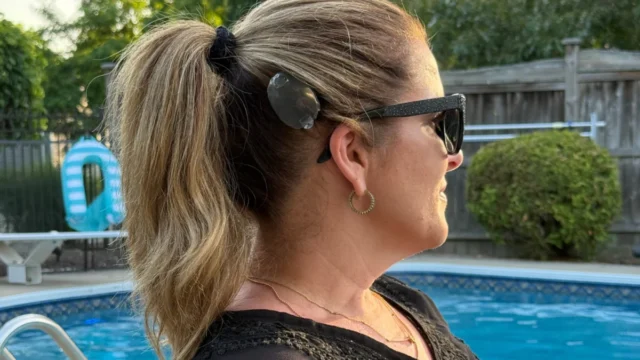
Modern technology offers powerful solutions for bridging the gap in auditory perception, allowing individuals to receive sound directly and with greater clarity. Hearing implant systems, such as those developed by MED-EL, are increasingly integrated with sophisticated connectivity options that enhance the listening experience in various environments.

- Direct Streaming Capabilities: The ability to stream audio directly from electronic devices to an audio processor is a game-changer. Smartphones, televisions, music players, and computers can all be paired with hearing implant systems, delivering sound wirelessly and bypassing ambient noise. This direct connection ensures that the audio signal is crisp and clear, as intended by the source.
- Assistive Listening Devices: Devices like AudioLink and AudioLink XT, developed by MED-EL, serve as versatile remote microphones. These can be placed near a speaker in a challenging acoustic environment, such as a noisy restaurant or a large family gathering, and transmit the sound directly to the user’s audio processor. This effectively brings the sound source closer, significantly improving speech intelligibility. The ease of use and portability of these devices make them invaluable tools for enhancing social engagement and communication in diverse settings. The integration of these technologies not only improves enjoyment of media and communication but also reduces the cognitive load associated with listening, leading to less fatigue.
Implementing Smart Alerts for Enhanced Safety and Independence
A critical aspect of home safety for individuals with hearing loss is ensuring that important auditory alerts are not missed. Traditional audible alarms, such as smoke detectors, fire alarms, and doorbells, can be easily overlooked if they are not heard. Fortunately, a range of assistive alert systems are available to provide alternative notification methods.
- Visual and Vibrating Alerts: These systems are designed to provide alerts through visual cues or tactile vibrations, thereby not relying on hearing.
- Smart Smoke and Fire Alarms: These can be equipped with flashing lights or connected to a central hub that sends alerts to a smartphone or a vibrating pager. In the event of an emergency, timely notification is crucial for ensuring the safety of individuals and their households.
- Smart Doorbells: Modern smart doorbells offer visual notifications on a smartphone or tablet, often accompanied by an audible chime. This allows individuals to be aware of visitors even if they do not hear the doorbell ring, preventing missed deliveries or unexpected guests.
- Alarm Clocks and Timers: Vibrating alarm clocks and smart timers can be used for waking up, reminding individuals of appointments, or signaling the completion of tasks like cooking. These are particularly useful for ensuring timely medication or meal preparation.
- The Importance of Backup Systems: For individuals who may not be wearing their audio processors at all times, such as during sleep, these non-auditory alert systems are indispensable. They provide a vital layer of safety and independence, ensuring that critical information is conveyed regardless of whether the primary hearing device is in use. The development and integration of these assistive technologies represent a significant advancement in empowering individuals with hearing loss to maintain autonomy and security within their homes.
Establishing an Organized System for Hearing Equipment
Maintaining and managing hearing implant equipment requires a systematic approach to ensure optimal performance and preparedness. A dedicated, organized space for all essential accessories can significantly reduce stress and prevent the loss or misplacement of vital components.

- A Centralized Hub: Designating a specific area, such as a drawer, shelf, or storage unit, for hearing equipment is a practical strategy. This space should house:
- Backup Audio Processors: Having a spare processor readily available is crucial in case of malfunction or maintenance of the primary device.
- Drying Systems: Proper drying of audio processors and components is essential for their longevity and optimal functioning, especially in humid environments.
- Battery Chargers and Spare Batteries: Ensuring that chargers are easily accessible and that spare batteries are always on hand guarantees uninterrupted use of the hearing system.
- Cleaning Supplies and Tools: Maintaining the cleanliness of the audio processor and external components is vital for hygiene and performance.
- Benefits of Organization: This organized approach not only simplifies the daily routine but also provides peace of mind. Knowing exactly where to find necessary items, especially during urgent situations or when traveling, can alleviate anxiety and ensure that the hearing system is always ready for use. This meticulous management of equipment is an integral part of maximizing the benefits derived from hearing implant technology and maintaining a high quality of life.
Broader Implications and Future Outlook
The strategies outlined above extend beyond mere convenience; they are foundational to fostering a more inclusive and accessible living environment for individuals with hearing loss. By proactively addressing the acoustic and visual challenges within the home, and by leveraging technological advancements, individuals can experience enhanced communication, greater independence, and improved safety.
The increasing integration of smart home technologies presents further opportunities for creating truly personalized and supportive living spaces. Future innovations may include AI-powered systems that can adapt acoustic environments in real-time, or advanced visual alert systems that can provide more nuanced information. As awareness of the challenges faced by individuals with hearing loss grows, so too will the development and adoption of solutions that promote a higher quality of life. The commitment from organizations like MED-EL to research, development, and education is instrumental in this ongoing evolution, empowering individuals to navigate their world with greater confidence and ease. The date of publication, May 18, 2026, suggests a contemporary focus on these evolving solutions, reflecting the ongoing advancements in hearing technology and home adaptation strategies.