The Diagnostic Odyssey: A Chronology of Uncertainty
For the average individual suffering from a vestibular disorder, the path to recovery rarely begins with a swift diagnosis. Instead, most patients embark on what advocacy groups describe as a "diagnostic odyssey." This timeline typically begins with an acute, often terrifying episode of vertigo or a gradual onset of imbalance that disrupts daily functioning.
Initial contact is usually made with primary care physicians or emergency department staff, where symptoms like dizziness are frequently misattributed to more common ailments such as dehydration, anxiety, or sinus infections. Research indicates that patients with vestibular dysfunction often consult between three and five different healthcare providers before receiving an accurate diagnosis. This period of uncertainty can last months or even years, during which the patient’s quality of life deteriorates significantly.
Once a patient reaches a specialist—typically a neurotologist, otolaryngologist, or neurologist—the focus shifts to clinical testing, such as videonystagmography (VNG) or vestibular evoked myogenic potentials (VEMP). However, Ryan points out that even when a diagnosis like Meniere’s disease, Benign Paroxysmal Positional Vertigo (BPPV), or Persistent Postural-Perceptual Dizziness (PPPD) is confirmed, the clinical journey is just beginning. The transition from diagnosis to management requires a patient to navigate physical therapy, lifestyle modifications, and the psychological impact of a chronic, often invisible condition.
Statistical Context: The Prevalence and Impact of Vestibular Dysfunction
To understand the urgency of Ryan’s message, one must look at the broader epidemiological data surrounding vestibular health. According to data from the National Institute on Deafness and Other Communication Disorders (NIDCD), approximately 35% of adults aged 40 years and older in the United States—roughly 69 million people—have experienced some form of vestibular dysfunction.
The economic and social implications of these statistics are profound. Chronic dizziness is one of the leading reasons for physician visits among individuals over the age of 65. Furthermore, vestibular disorders are a primary risk factor for falls, which are the leading cause of fatal and non-fatal injuries among older adults. Beyond the physical risks, the psychological burden is heavy; studies have shown that patients with vestibular disorders have significantly higher rates of anxiety and depression compared to the general population, largely due to the unpredictable nature of their symptoms and the resulting social isolation.
The Role of VeDA as a Global Hub for Care
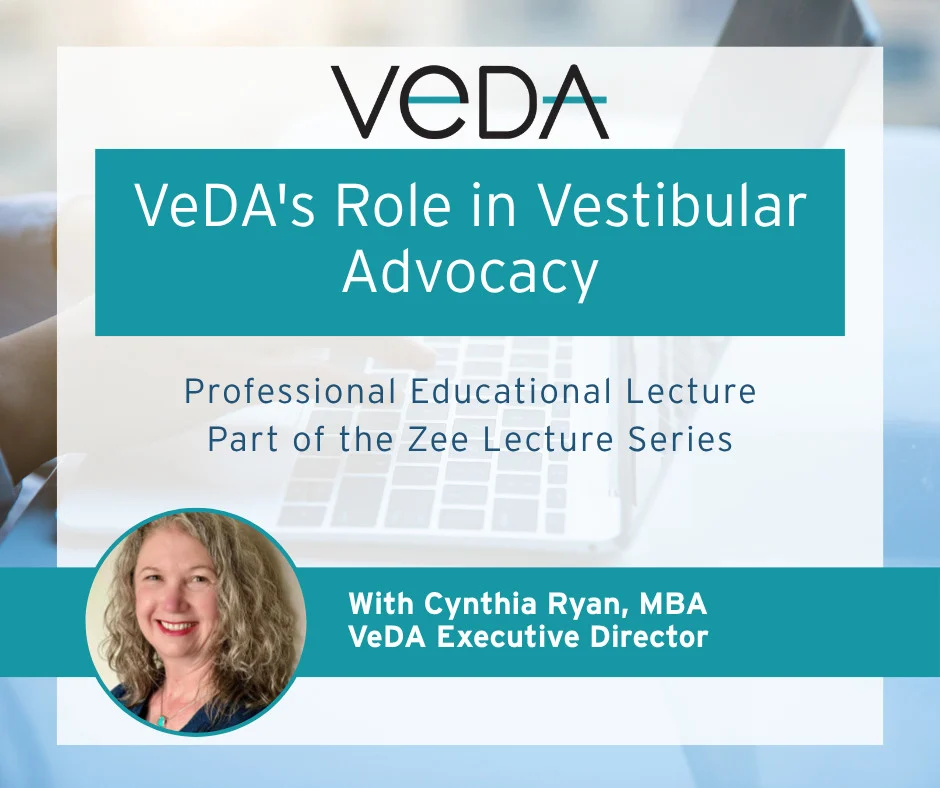
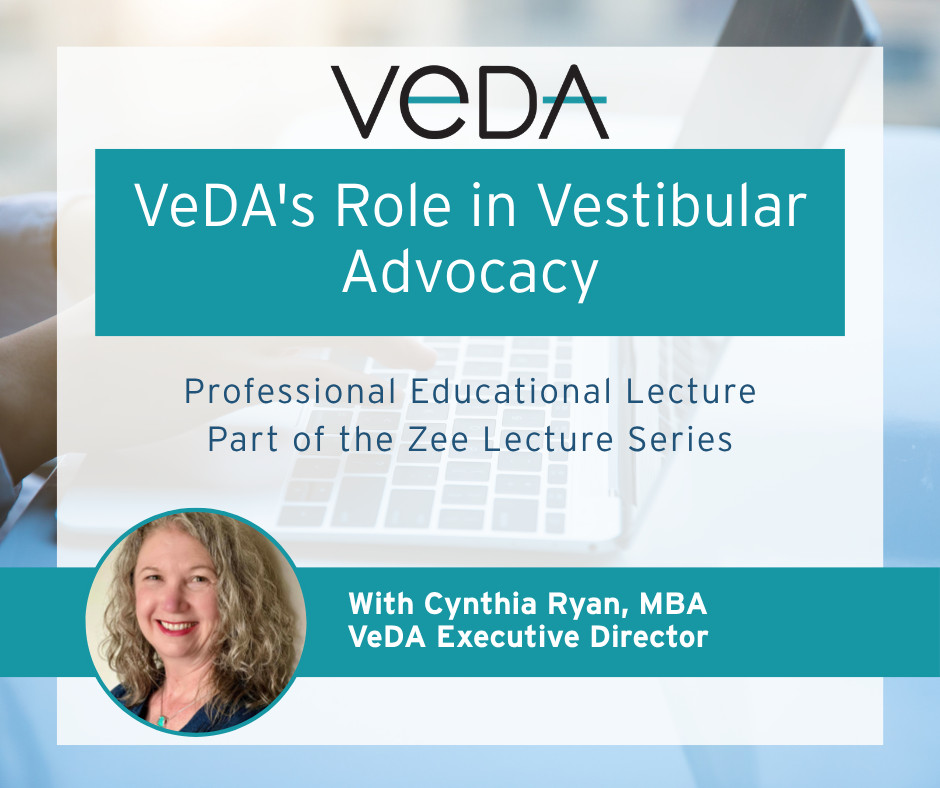
Founded in 1985, the Vestibular Disorders Association (VeDA) has evolved from a grassroots support group into a central pillar of the global vestibular community. During her presentation, Ryan detailed how VeDA acts as a bridge between the clinical world and the lived experience of the patient. The organization’s mission is built on the premise that an informed patient is a more resilient and compliant partner in the healing process.
VeDA’s educational resources are designed to translate complex medical jargon into actionable information. By providing peer-reviewed articles, webinars, and "Ask the Expert" sessions, the organization empowers patients to understand their physiology. This education is critical because vestibular rehabilitation therapy (VRT)—a cornerstone of treatment—requires high levels of patient engagement and persistence. When patients understand why they are performing specific exercises that may temporarily increase their discomfort, they are more likely to adhere to the protocol, leading to better clinical outcomes.
Peer Support and the Mitigation of Social Isolation
One of the most significant contributions of advocacy organizations is the creation of community. Ryan’s presentation underscored that medicine can treat the ear or the brain, but it often struggles to treat the isolation that comes with "invisible" illnesses. Because vestibular symptoms are not externally visible, patients often face skepticism from employers, friends, and even family members.
VeDA facilitates a variety of support networks, including:
- Peer-Led Support Groups: Local and virtual meetings where patients share coping strategies.
- Specialized Communities: Initiatives like the "Dizzy Moms Club" address the unique challenges of parenting while managing chronic vertigo.
- Online Connectivity: Structured programs such as "Dizzy Together" provide a platform for those in remote areas to connect with others facing similar hurdles.
This social infrastructure provides a psychological safety net. When a patient sees another individual successfully returning to work or managing a flare-up, it builds "self-efficacy"—the belief in one’s ability to manage their condition.
Bridging the Gap: The Provider Directory and Referral Pathways
A recurring theme in the Zee Lecture Series was the difficulty patients face in finding qualified care. Not all physical therapists or neurologists have specialized training in vestibular science. To address this, VeDA maintains a comprehensive Healthcare Provider Directory. This tool allows patients to filter for clinicians who have specific expertise in vestibular disorders across multiple disciplines, including audiology, occupational therapy, and psychology.
Ryan noted that VeDA is actively working to refine these referral pathways. By shortening the time between the onset of symptoms and the first appointment with a vestibular specialist, the organization aims to reduce the "lost time" that often leads to secondary complications like muscle tension, agoraphobia, and deconditioning.
Advancing Research through Real-World Evidence
The presentation also highlighted VeDA’s expanding role in the scientific community. While clinical trials are the gold standard for medical research, they often exclude the messy, multi-morbid realities of the average patient. The Dizziness, Vertigo & Imbalance Patient Registry, managed by VeDA, collects real-world data directly from thousands of individuals.
This registry provides researchers with insights into:
- The average length of time to diagnosis.
- The most effective non-pharmacological interventions according to patient reports.
- The impact of vestibular disorders on employment and financial stability.
By partnering with academic institutions and offering grants, such as the ANS/VeDA Clinical Outcomes Research Grant, the organization ensures that the "patient voice" influences the research agenda. This ensures that new studies focus not just on curing the underlying pathology, but on improving the functional quality of life for those living with chronic symptoms.
Perspectives from the Patient Community
The lecture was enriched by the testimonials of patient advocates Glenn Schweitzer and Jeannette Tousignant. Their stories illustrated the disconnect that often exists between a "successful" clinical test result and a patient’s actual well-being.
Schweitzer, a well-known author in the vestibular community, spoke about the emotional toll of the "invisible" struggle. He emphasized that even when a doctor says, "Your tests look normal," a patient may still feel as though their world is spinning. This highlights the importance of "narrative medicine"—the practice of clinicians truly listening to the patient’s story to understand the functional impact of the disease.
Tousignant’s experience echoed the need for persistent advocacy. Her journey through diagnosis and recovery served as a testament to how education and community support can turn a devastating diagnosis into an opportunity for advocacy and helping others.
Future Directions: AI and Narrative Medicine
Looking toward the future, Ryan outlined several initiatives aimed at modernizing vestibular advocacy. These include:
- AI-Powered Tools: Developing intelligent educational interfaces that can help patients navigate the vast amount of information available online, triaging them toward reliable resources.
- Narrative Medicine Projects: Creating curriculum materials for healthcare students to help them understand the psychological and social nuances of vestibular illness.
- Expanded Global Reach: Translating more resources into multiple languages to support underserved populations worldwide.
Implications for the Healthcare Industry
The core takeaway for healthcare professionals is that advocacy is not an "optional extra" but a fundamental component of the continuum of care. When a clinician refers a patient to an organization like VeDA, they are providing that patient with a toolkit for the 99% of their life that happens outside the clinic.
This partnership benefits the healthcare system as a whole. Informed patients have more productive consultations, are more likely to follow through with rehabilitation, and are less likely to utilize emergency services for non-emergency flare-ups. By recognizing that the patient journey involves a complex interplay of physical, emotional, and social factors, the medical community can move toward a more effective and compassionate model of care.
In conclusion, the collaboration between clinicians, researchers, and advocacy organizations like VeDA represents the future of vestibular medicine. As Cynthia Ryan’s presentation demonstrated, the goal is not just to stop the spinning, but to help the patient find their footing in a world that has been turned upside down. Through education, support, and data-driven research, the vestibular community is building a future where no patient has to navigate the journey alone.