
The most profound beneficiaries of this transformative technology will undoubtedly be individuals grappling with hearing loss, for whom ambient noise and poor acoustics frequently render public participation challenging, if not impossible. However, a deeper analysis suggests that the primary impetus for Auracast’s broad-scale integration may transcend mere accessibility mandates. Its true accelerant could be the demonstrably superior listening experience it affords everyone, including individuals possessing typical hearing acuity. This broader appeal, rooted in enhanced audio quality and user control, positions Auracast not merely as an assistive technology, but as a universal upgrade to public audio engagement.
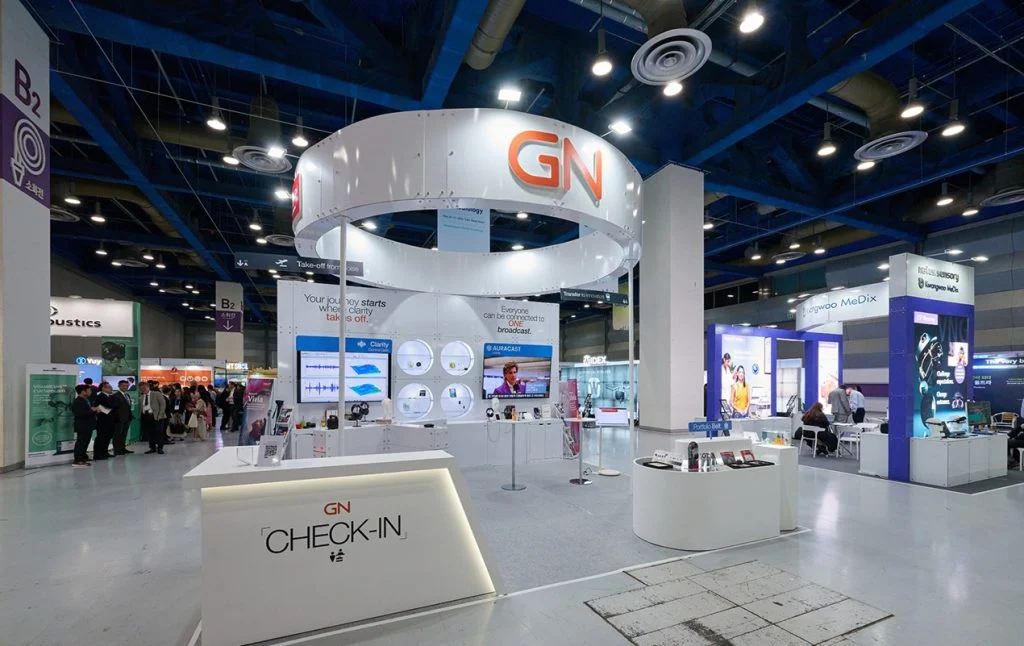
The compelling case for this universal benefit was vividly demonstrated during a recent event in Seoul, South Korea, offering a tangible glimpse into Auracast’s real-world impact. In May, on the sidelines of the prestigious World Congress of Audiology (WCA), a globally recognized gathering of audiology professionals, researchers, and industry leaders, GN Hearing, a prominent manufacturer of hearing instruments, hosted an evening K-pop cultural event. This spectacle was seamlessly followed by an insightful panel discussion, meticulously orchestrated to double as a critical test case for Auracast technology in a challenging acoustic environment.
The event took place within a large, highly reverberant hall, a quintessential example of an acoustic space where sound degradation is rampant. Such environments, characterized by hard surfaces that reflect sound waves and create excessive echo, notoriously impede speech intelligibility. In these conditions, even individuals with unimpaired hearing frequently report significant struggles, finding themselves straining to discern speech amidst a cacophony of overlapping conversations and ambient noise. The inherent acoustic properties of the venue, therefore, provided an ideal, albeit difficult, proving ground for Auracast’s capabilities.
During the panel discussion, the inherent challenges of the hall quickly became apparent. Sound waves bounced indiscriminately off the hard walls and ceilings, creating a muddled sonic landscape. Conversations from attendees further compounded the issue, creating a dense background hum. For the author, an individual with personal experience navigating hearing loss, this scenario was all too familiar. The instinctive response was to lean forward, strain to catch individual words, and expend considerable cognitive effort merely to follow the discourse—a common coping mechanism in adverse listening conditions.
The transformation upon engaging the Auracast stream was nothing short of immediate and profound. With a simple tap, the audio from the panel discussion became impeccably clean, direct, and effortless. The previous struggle evaporated, replaced by a sense of clarity and ease that dramatically altered the listening experience. The words of the panelists were delivered with pristine fidelity, detached from the chaotic acoustics of the room. This immediate improvement underscored Auracast’s potential to neutralize even the most acoustically hostile environments.
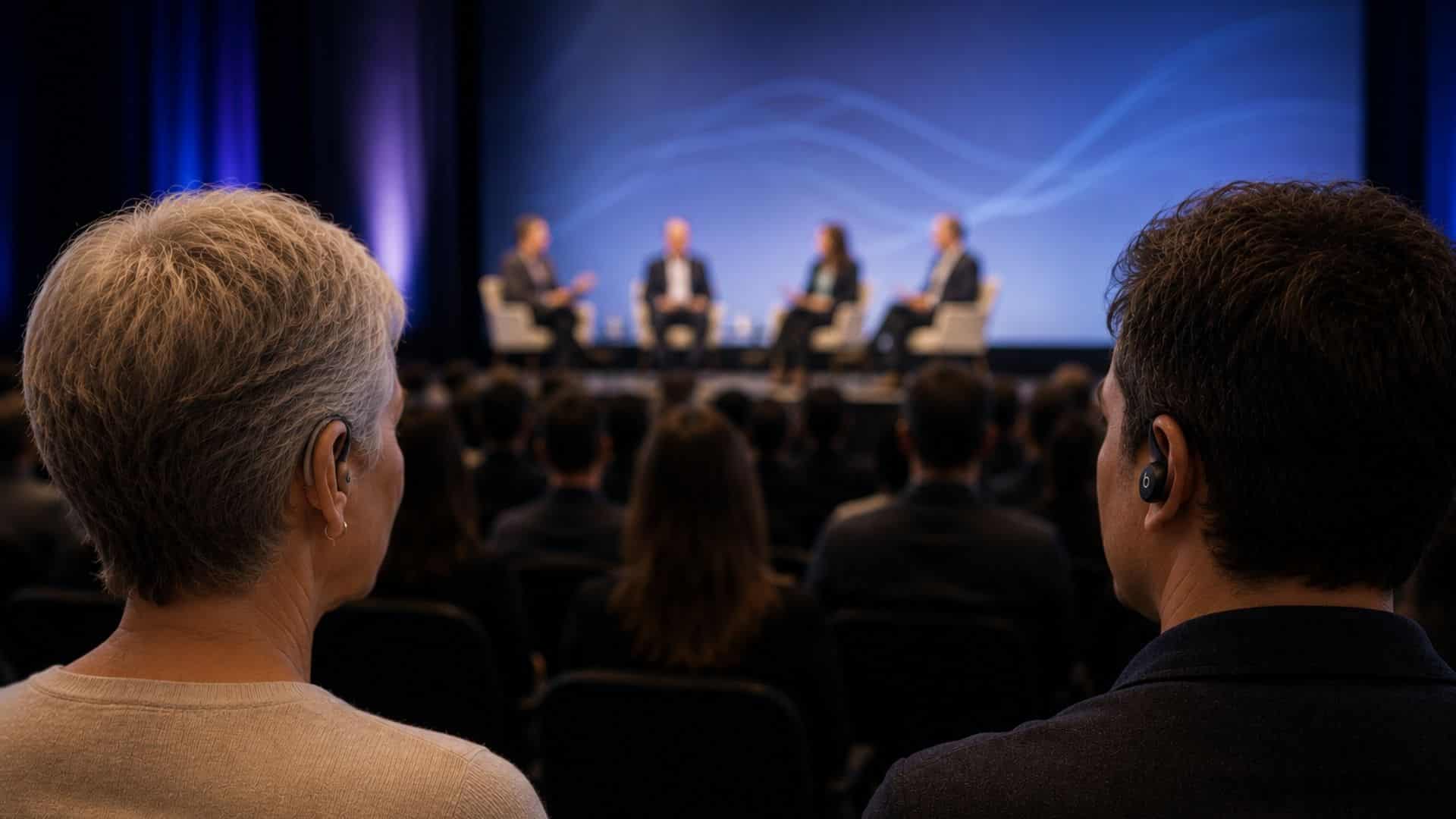
The true revelation, however, came from the reaction of the author’s husband, who possesses typical hearing. Upon trying the Auracast stream, his expression shifted to one of wide-eyed astonishment. "That’s remarkable," he exclaimed, his words echoing the profound difference he perceived. This spontaneous, unprompted reaction from someone without a pre-existing need for assistive listening technology highlights a critical aspect of Auracast’s potential: its ability to elevate the listening experience for everyone, not just those with hearing impairments. This shared moment of clarity, transcending individual hearing profiles, crystallizes the fundamental reason why Auracast holds the potential to fundamentally redefine and improve public hearing access.
The Paradigm Shift: From Niche Accommodation to Universal Preference
Historically, assistive listening technologies have been predominantly framed and marketed as specialized solutions tailored exclusively for individuals with hearing loss. This framing, while essential for addressing a critical need, has inadvertently limited their mainstream adoption and perceived value. The experience in Seoul, particularly the reaction of someone with typical hearing, signals a pivotal paradigm shift. What impressed the author’s husband was not merely the accessibility aspect – though that is implicitly present – but the sheer quality and control offered by the technology. He experienced perfect audio fidelity, delivered at a volume he could personally regulate. Critically, he discovered that when the intrusive background noise was effectively eliminated, there was no longer a need to "crank up" the volume to compensate, a common reflex in noisy environments. This unprecedented level of control over his personal listening experience in a loud public space was, for him, a novel and highly valued feature.
His sole minor complaint underscored a social adaptation rather than a technical flaw: once immersed in the Auracast stream via headphones, engaging in a spontaneous side conversation with the person next to him became challenging. This is a social behavior adaptation that many individuals with hearing loss have long since learned to navigate, often by briefly disengaging their listening devices or communicating through other means. The more profound insight, however, stemmed from the shared experience: sitting side-by-side, both individuals were enjoying the same pristine audio quality. There was no accommodation being made by one for the other; no struggle for one to keep pace with the other. This equalized experience is immensely powerful, breaking down traditional barriers and fostering a sense of inclusion that often eludes individuals with hearing loss in public settings.
Auracast and the Principle of Universal Design
The transformative potential of Auracast is best understood through the lens of universal design, a concept that champions the creation of products and environments usable by all people, to the greatest extent possible, without the need for adaptation or specialized design. The enduring classic example of universal design is the curb cut: ramps initially installed to facilitate wheelchair access on sidewalks. These ramps are now ubiquitously utilized by parents pushing strollers, travelers maneuvering rolling luggage, delivery personnel, and countless others, vastly improving convenience for a broad demographic. Nobody actively campaigns for curb cuts anymore; they have simply become an expected, integrated component of urban infrastructure.
Auracast possesses all the inherent characteristics of becoming a similar "curb-cut moment" for hearing. When individuals with typical hearing actively seek out and prefer the same audio solution primarily designed for those with hearing loss, the technology transcends its initial niche as a specialized accommodation. It evolves into mainstream infrastructure, a widely accepted and expected feature. This crucial shift in perception and demand is what drives widespread installation. Venues will begin to integrate Auracast not solely due to regulatory mandates, which can be slow and often met with resistance, but rather because the general public actively demands the superior listening experience it offers. This consumer-driven demand is a far more potent and rapid accelerator of adoption than compliance alone. Accessibility mandates can indeed move the needle, albeit at a measured pace; conversely, robust consumer demand has the power to propel progress at an exponential rate.

Navigating the Path to Widespread Adoption: Challenges and Timelines
While the promise of Auracast is undeniable, its journey to universal integration is still in its nascent stages and faces several critical caveats. Progress is demonstrably underway, with pioneering venues such as London’s National Theatre, Shakespeare’s Globe, and the iconic Sydney Opera House proactively installing Auracast technology. These early adopters serve as vital proof points and demonstrate the tangible benefits to both patrons and operators. However, the path ahead requires careful navigation of existing challenges.
One significant hurdle is the current uneven landscape of device compatibility. Older generations of hearing aids were not designed with Auracast capabilities built-in, necessitating a replacement cycle for many users. Furthermore, even among newer hearing devices, not all models automatically include Auracast functionality, creating a fragmented user base. A particularly notable factor in this ecosystem is the absence of Apple, a dominant player in consumer electronics, which has yet to enable Auracast on any of its widely used devices. Apple’s eventual integration of Auracast would undoubtedly provide a monumental boost to adoption rates, similar to its impact on other Bluetooth technologies.
Another crucial aspect is the standardization and regulatory framework. The international IEC standard specifically governing Auracast assistive listening installations is not anticipated to be finalized and published until late 2027. This delay leaves critical questions surrounding interoperability across different manufacturers and venues, as well as definitive compliance with accessibility regulations such as the Americans with Disabilities Act (ADA), largely open. A clear, universally accepted standard is paramount for ensuring a seamless and reliable user experience, fostering trust, and simplifying deployment for venue operators.
Consequently, the current number of public venues equipped with Auracast remains relatively small. For an individual investing in an Auracast-compatible hearing aid today, the experience can be likened to owning an electric vehicle before a widespread and robust charging network was established. The technology is cutting-edge and promising, but its full utility is constrained by the limited infrastructure available to support it. This early-adopter phase requires patience and continued investment from both technology developers and infrastructure providers.
During this transitional period, it is absolutely vital that hearing aid manufacturers and hearing care professionals maintain unwavering support for existing assistive listening solutions. Technologies such as telecoils, FM systems, and infrared systems continue to serve a substantial portion of the hearing loss community effectively. Abandoning these established and relied-upon technologies prematurely in favor of a future-state solution would leave many individuals without adequate support. Enthusiasm for Auracast’s future must be tempered with a commitment to current accessibility, ensuring that no one is left behind as technology evolves.
Broader Implications and Societal Impact
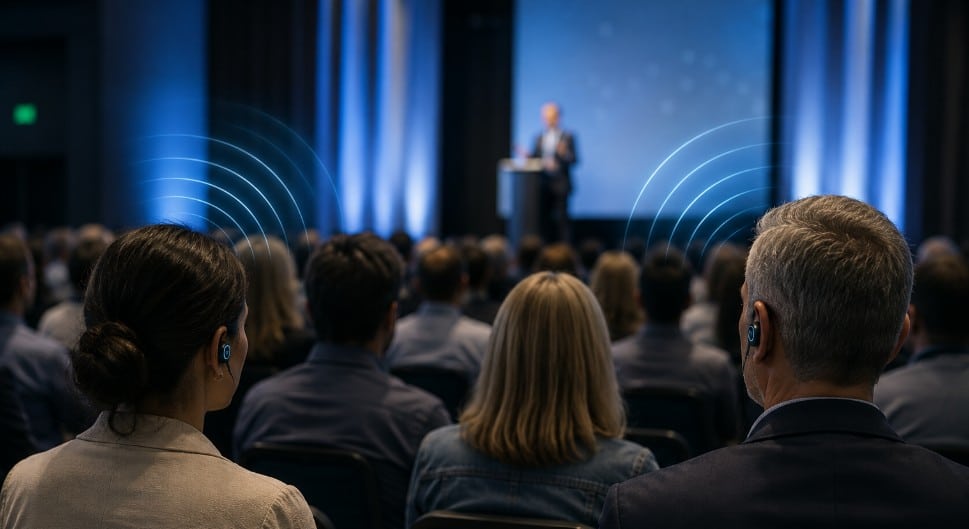
The broader implications of Auracast extend far beyond mere hearing accessibility. Its potential to revolutionize public communication and entertainment experiences is immense. Imagine multilingual events where attendees can select their preferred language stream directly to their personal devices, eliminating the need for bulky translation equipment. Consider sports stadiums offering commentary options, or museums providing rich, personalized audio guides without requiring specialized handheld devices. The ability to deliver crystal-clear audio, tailored to individual preferences, opens up new avenues for engagement and inclusion in virtually every public setting.
Economically, the widespread adoption of Auracast could create new revenue streams for venues, allowing them to offer premium audio experiences or specialized content. For manufacturers, it represents a significant market opportunity, driving innovation in hearing aids, smartphones, and dedicated Auracast receivers. Socially, it fosters a more inclusive environment, reducing the isolation often experienced by individuals with hearing loss and enabling them to participate more fully in public life. The shared experience, as witnessed in Seoul, promotes a sense of equity that is profoundly impactful.
The Bottom Line: A Future Everyone Wants to Hear
For countless decades, individuals living with hearing loss have harbored a fervent hope that the world would proactively construct and maintain better listening environments. Auracast’s most compelling promise resides in its capacity to transform this aspiration into a universal desire, making superior listening quality something that everyone actively seeks and demands. When a technology initially conceived to aid people with hearing loss demonstrates its inherent ability to elevate the experience for the entire population – a truth so vividly illustrated by the author’s husband’s reaction in Seoul – the world inevitably takes notice. And when the collective attention of the world is captured, the pace of transformative change has an extraordinary potential to accelerate far beyond conventional expectations. Auracast represents not just an incremental improvement, but a fundamental shift towards a universally enhanced auditory landscape, where clear, controlled sound is a right, not a privilege.