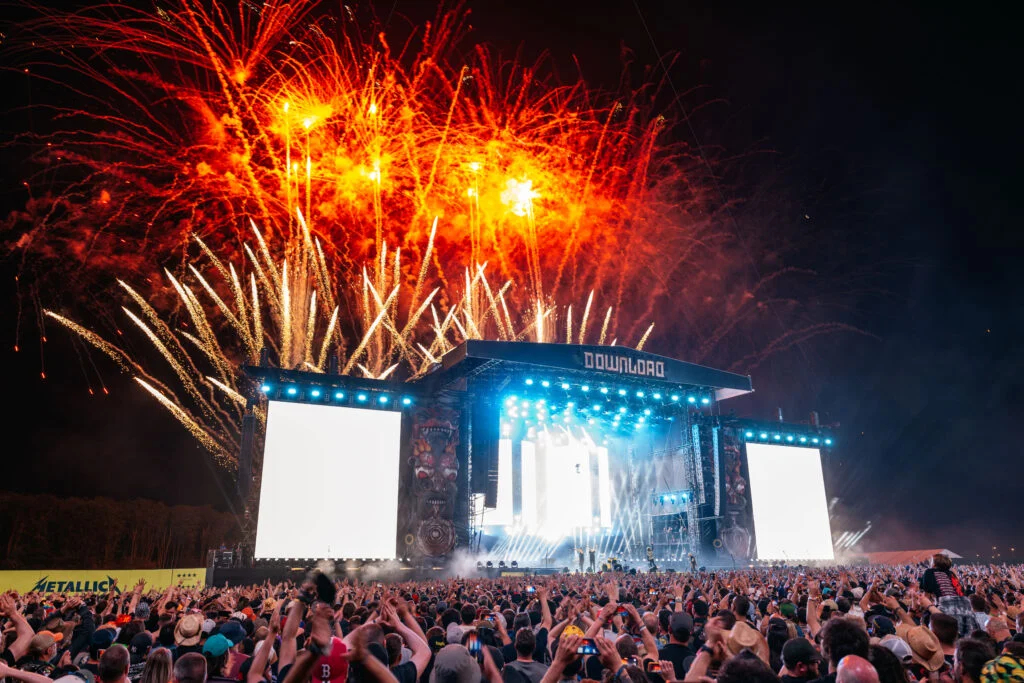
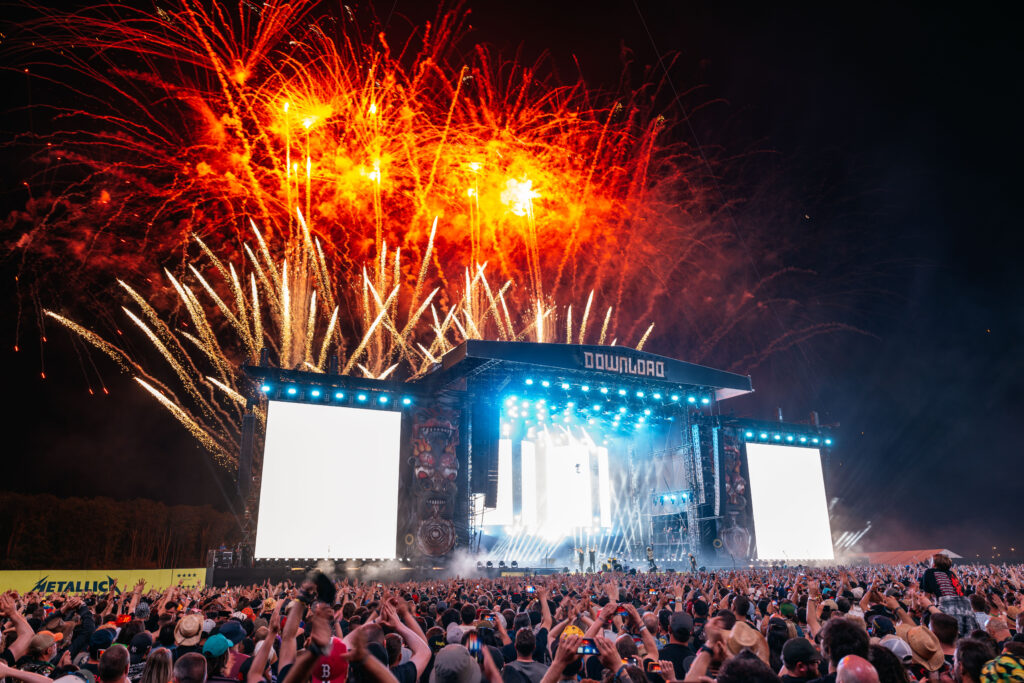
The initiative serves as a direct extension of Tinnitus Week 2026, a national awareness campaign that highlighted the growing prevalence of noise-induced hearing loss. By moving the conversation from digital platforms into the heart of the mosh pit, stakeholders aimed to dismantle the stigma surrounding hearing protection, reframing earplugs not as an impediment to the live music experience, but as an essential tool for its longevity.
The Context of the Auditory Crisis
The urgency of this intervention is supported by sobering public health data. According to clinical reports, approximately one in seven adults in the UK lives with some form of tinnitus, a condition characterized by ringing or buzzing in the ears that can lead to chronic distress, sleep disturbances, and mental health struggles. Within the professional music industry, this prevalence is even higher, with estimates suggesting that one in three musicians faces significant hearing challenges.
Prolonged exposure to sound levels exceeding 85 decibels is a primary driver of preventable hearing damage. In a live festival environment, where speakers can output levels far exceeding this threshold, the risk to both the performer and the patron is profound. Despite these risks, hearing protection has historically been viewed as a secondary consideration, often overshadowed by the aesthetic and social aspects of the festival experience.
Chronology of the Partnership
The groundwork for the Download partnership began in early 2026, building on the momentum of Tinnitus Week. The strategic timeline for the intervention was structured to maximize reach:
- February 2026: Tinnitus Week 2026 launches, initiating a national dialogue on the impact of loud noise in entertainment venues.
- April 2026: Preliminary discussions between Tinnitus UK and Live Nation identify the need for on-site, tangible health resources.
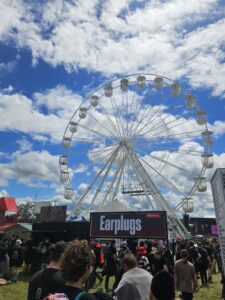
- June 2026: The Download Festival collaboration is implemented, featuring on-site awareness hubs and the distribution of free hearing protection.
- Post-Festival: Data collection from attendee engagement begins to inform future policy for Live Nation’s wider portfolio of events.
Throughout the three-day event, Tinnitus UK representatives engaged with thousands of attendees, ranging from casual fans to high-profile performers. The goal was to normalize the use of earplugs by demonstrating that high-fidelity protection allows fans to retain the clarity and nuance of the music while filtering out the damaging high-frequency frequencies that often lead to long-term injury.
Institutional Measures and Accessibility
Download Festival’s commitment to this cause was evidenced by a multi-layered approach to accessibility. Beyond the distribution of free earplugs, the event integrated British Sign Language (BSL) interpretation and specialized hearing loops at major stages. These measures ensure that auditory wellness is viewed as a pillar of inclusive festival design rather than a niche concern.
Industry analysts note that this approach mirrors broader trends in event management, where "audience wellbeing" is increasingly scrutinized as a key performance indicator (KPI) for major festivals. By providing free earplugs, the festival removes the barrier of cost and convenience, effectively turning hearing protection into a standard component of the festival "kit," much like a wristband or a raincoat.
Perspectives from the Stage
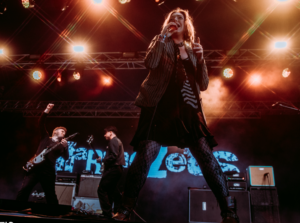
The resonance of this message was amplified by the artists themselves. During the festival, several performers shared their personal experiences with hearing loss, underscoring the reality that even those who live for music are not immune to its hazards.
Alice, vocalist for Lake Malice, emphasized the necessity of balancing high-intensity performance with periods of recovery. "I listen to ASMR and quiet time helps me so much," she noted, while advocating for the use of professional, moulded in-ear monitors. Her sentiment was echoed by Becca of Marmozets, who described how the industry’s cultural attitude toward ear health has evolved. "We’ve been doing this a while and now we really understand the importance of hearing protection," she said. "I keep earplugs attached to my keys so I can put them in whenever. It’s important."
The testimonies were not limited to preventative advice; some artists provided stark warnings regarding the permanent nature of hearing damage. Foley, the drummer for the band As It Is, shared a candid reflection on his own history with injury: "I have significant hearing problems. I have two perforated eardrums which is solely down to harsh exposure with no protection from an early age." His advice to the next generation of musicians was direct: "If I could rewind the clock, I would have protected my ears more efficiently earlier on. When the damage is done, it’s done."
These accounts serve as a reminder that the "rock and roll" lifestyle, which once romanticized noise exposure, is giving way to a more pragmatic approach where career longevity is inextricably linked to physiological maintenance.
Broader Implications for the Music Industry
The success of the Tinnitus UK initiative at Download has significant implications for the wider entertainment sector. As festivals continue to face pressure to demonstrate social responsibility, the integration of health-conscious policies is likely to become a competitive advantage.
- Normalization of Protective Wear: The anecdotal reports from influencers like Stephanie—who noted that earplugs can be styled to match an outfit—suggest that the "fashionization" of hearing protection could be a key driver in increasing adoption rates among younger demographics.
- Clinical Partnerships: The involvement of audiologists, as mentioned by Ali of As It Is, highlights a growing trend of musicians seeking professional medical intervention to manage the demands of touring. This shift may lead to more formalized hearing health programs within record labels and touring agencies.
- Policy Formulation: If major players like Live Nation continue to treat hearing health as a priority, insurance providers and regulatory bodies may eventually codify these practices into standard operating procedures for large-scale outdoor events.
Conclusion: The Future of Auditory Preservation
The partnership between Tinnitus UK and Download Festival provides a clear blueprint for how the music industry can address the silent epidemic of noise-induced hearing loss. By treating hearing protection as an essential element of the concert experience—no different from security or sanitation—the festival has taken a critical step toward ensuring that the next generation of music lovers can continue to enjoy live performances without compromising their health.
Looking ahead, the goal for health advocates is to expand this model to smaller venues and clubs, where sound management is often more difficult to control due to architectural constraints. However, the momentum generated at Donington Park suggests that the tide is turning. As fans, artists, and organizers begin to align on the importance of auditory preservation, the music industry is demonstrating that the most powerful way to honor the art of sound is to protect the ears that hear it. Through sustained education and accessible resources, the objective is to ensure that while the music may be loud, the impact remains purely in the realm of memory, not in the realm of long-term medical injury.