
The Challenge of Early Parkinson’s Diagnosis
Parkinson’s disease is the second most common neurodegenerative disorder worldwide, trailing only Alzheimer’s disease in prevalence. Characterized by the progressive loss of dopaminergic neurons in the substantia nigra, the disease manifests through motor symptoms such as tremors, bradykinesia (slowness of movement), and postural instability. However, by the time these physical symptoms become apparent enough for a clinical diagnosis, a significant percentage of the brain’s dopamine-producing cells have already been lost.
Early intervention is widely regarded as the "holy grail" of Parkinson’s care. While there is currently no cure, treatments such as levodopa, dopamine agonists, and deep brain stimulation are significantly more effective when administered in the early stages of the disease. Early detection allows for lifestyle modifications and neuroprotective strategies that can drastically improve the quality of life and longevity of patients. Despite this, the medical community has long struggled with the subjectivity of clinical rating scales and the high cost and logistical complexity of DaTscan imaging and other neural diagnostic tools.
The Science of Scent: From Sebum to Earwax
The concept of "smelling" Parkinson’s disease is not entirely new to the scientific community. The field gained significant momentum following the well-documented case of Joy Milne, a "super-smeller" from Scotland who could detect a distinct, musky odor on her husband years before he was clinically diagnosed with PD. Subsequent research confirmed that PD patients emit a specific scent profile linked to changes in sebum, the oily substance produced by the skin’s sebaceous glands.
Sebum composition is altered by the physiological changes associated with Parkinson’s, including systemic inflammation, oxidative stress, and shifts in the autonomic nervous system. These changes result in the release of specific volatile organic compounds. However, using sebum from the general surface of the skin—such as the forehead or back—presents a significant scientific hurdle. Skin sebum is highly susceptible to environmental contamination. Exposure to varying levels of humidity, air pollution, soaps, and topical skincare products can mask or alter the chemical signatures required for an accurate diagnosis, rendering skin-based testing inconsistent.
To overcome these limitations, Dong, Zhu, and their colleagues turned their attention to the ear canal. The skin inside the ear is largely shielded from external environmental factors, and the earwax (cerumen) produced there consists primarily of sebum and shed skin cells. Because it is sheltered, earwax serves as a stable "reservoir" for the body’s internal chemical markers, making it an ideal medium for reliable VOC analysis.
Study Methodology and Chemical Identification
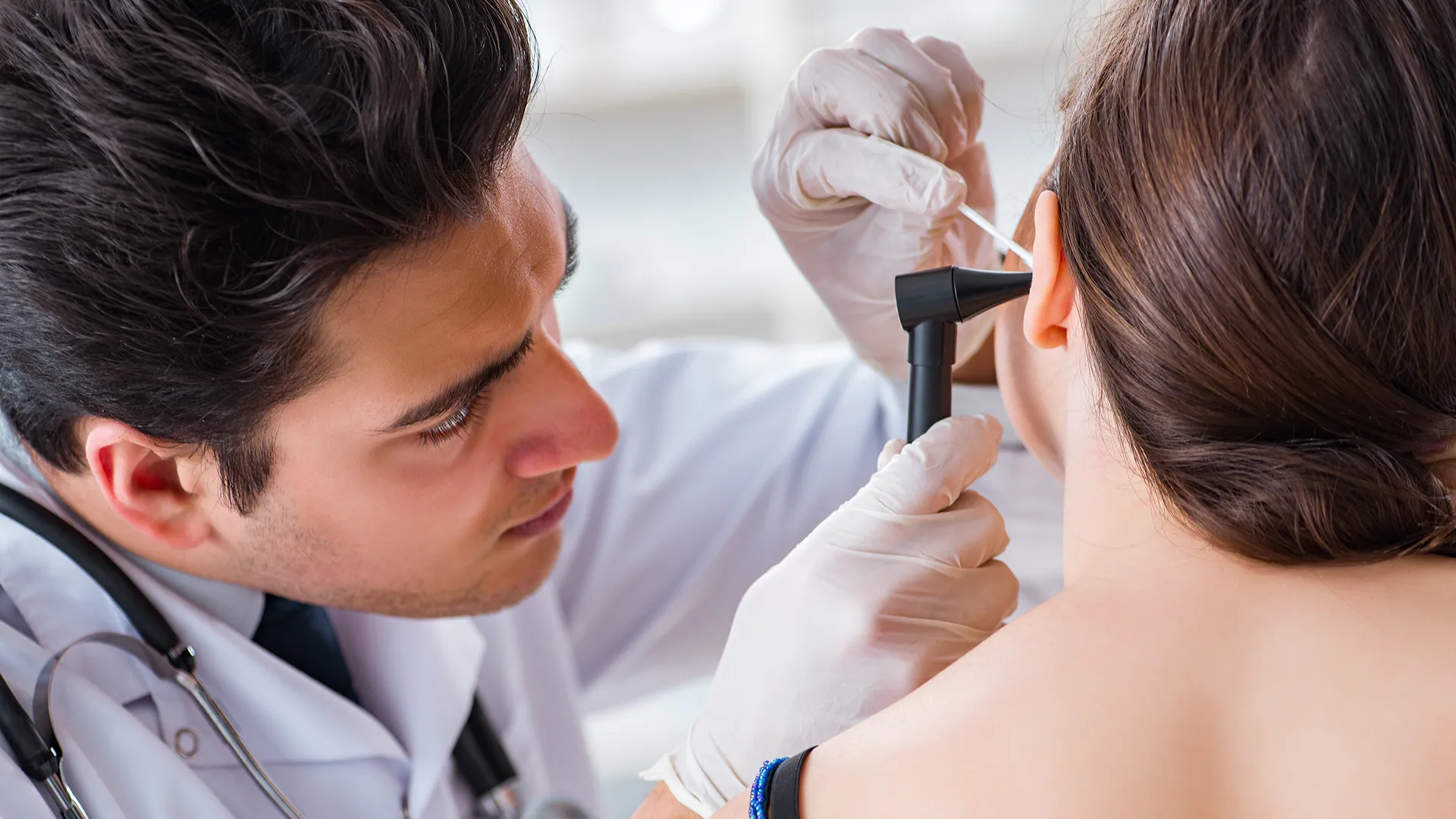
The research was conducted as a controlled study involving 209 human subjects. Of this cohort, 108 individuals had been diagnosed with Parkinson’s disease, while 101 served as a healthy control group. To ensure the integrity of the samples, researchers used specialized swabs to collect secretions from the ear canals of the participants.
The collected samples underwent rigorous chemical analysis using gas chromatography-mass spectrometry (GC-MS). This technique allows scientists to separate, identify, and quantify the various chemical components within a complex mixture. Upon analyzing the data, the researchers identified a distinct chemical fingerprint in the earwax of PD patients.
Specifically, four volatile organic compounds were found to be significantly altered in individuals with Parkinson’s compared to the control group:
- Ethylbenzene: Often associated with metabolic processes, its levels showed a marked deviation in PD subjects.
- 4-ethyltoluene: A compound that serves as a potential indicator of altered chemical pathways in the body.
- Pentanal: A saturated fatty aldehyde that is frequently linked to lipid peroxidation and oxidative stress—key features of Parkinson’s pathology.
- 2-pentadecyl-1,3-dioxolane: A more complex molecule whose presence in the earwax provided a strong differential marker for the disease.
These four chemicals were established as the primary biomarkers for the screening model.
Integrating Artificial Intelligence: The Olfactory System
Once the chemical biomarkers were identified, the research team sought to automate the detection process to make it viable for clinical use. They developed and trained an artificial intelligence olfactory (AIO) system. By feeding the VOC data from the 209 subjects into machine learning algorithms, the system learned to recognize the subtle "scent profile" of Parkinson’s disease.
The results of the AIO-based screening were remarkable. The model was able to categorize the earwax samples with an accuracy rate of 94%. This level of precision is comparable to, and in some cases exceeds, the accuracy of traditional clinical assessments performed by general practitioners in the early stages of the disease.
The AIO system functions essentially as an "electronic nose." Unlike human olfaction, which can be subjective and vary between individuals, the AIO system provides a standardized, objective, and repeatable measurement. This technology paves the way for a rapid, low-cost screening tool that could be used in standard physical examinations, much like a blood pressure cuff or a glucose monitor.
Chronology of Development and Future Research
The development of this earwax-based test follows a decade of increasing interest in non-invasive biomarkers for neurological conditions.
- 2015-2019: Initial studies on "super-smellers" and skin sebum VOCs established the biological plausibility of odor-based PD detection.
- 2020-2022: Researchers began seeking more stable mediums for VOC testing, identifying earwax as a candidate due to its protected location.
- 2023-2024: The current study by Dong and Zhu utilized GC-MS and AI to refine these findings into a functional diagnostic model.
Despite the high accuracy reported in this study, the researchers emphasize that the technology is still in its developmental infancy. Hao Dong noted that the current method was based on a small-scale, single-center experiment conducted in China. To transition from a laboratory breakthrough to a globally recognized medical tool, the research must undergo several more phases.
The next steps involve expanding the study to include:
- Diverse Ethnic Groups: Metabolic rates and sebum composition can vary across different ethnicities; the test must be validated globally.
- Multi-Center Trials: Testing the AIO system in different clinical environments to ensure the hardware and software remain consistent.
- Disease Stage Tracking: Determining if the VOC profile changes as the disease progresses, which could help doctors monitor the effectiveness of treatments.
Clinical and Economic Implications
The potential impact of a 94%-accurate, low-cost screening tool for Parkinson’s cannot be overstated. From a clinical perspective, it offers a "first-line" defense. If a patient’s earwax screening returns a positive result, they can be fast-tracked to a neurologist for more intensive (and expensive) confirmatory testing. This tiered approach optimizes medical resources and ensures that those most at risk receive attention immediately.
Economically, the burden of Parkinson’s disease is massive. In the United States alone, the economic impact—including treatment costs, social security payments, and lost income—is estimated to be over $50 billion annually. By facilitating earlier diagnosis, the AIO system could lead to better management of the disease, potentially delaying the onset of severe disability and reducing the long-term costs associated with nursing care and emergency hospitalizations.
Furthermore, this method is non-invasive. Unlike lumbar punctures for cerebrospinal fluid analysis or radioactive injections for PET scans, an earwax swab is painless and carries no risk to the patient. This increases the likelihood of patient compliance in screening programs, particularly among elderly populations who may be hesitant to undergo more invasive procedures.
Expert Reactions and Broader Context
While the scientific community has reacted with optimism, some experts urge a measured approach. Neurologists not involved in the study have noted that while VOCs are a promising frontier, they must be correlated with other biological markers, such as alpha-synuclein levels, to create a comprehensive diagnostic profile.
The use of AI in diagnostics is a rapidly growing field. Similar "electronic nose" technologies are currently being explored for the detection of lung cancer through breath analysis and certain bacterial infections through skin swabs. The success of the earwax-based PD test reinforces the theory that the human body provides a wealth of chemical data that, when interpreted by AI, can reveal hidden health states.
The study received support and funding from several prestigious institutions, including the National Natural Sciences Foundation of Science, the Pioneer and Leading Goose R&D Program of Zhejiang Province, and the Fundamental Research Funds for the Central Universities. This level of institutional backing underscores the perceived importance of developing accessible diagnostic tools for an aging global population.
As the global population ages, the number of individuals living with Parkinson’s is expected to double by 2040. Innovations such as the AIO earwax screening system represent a vital shift toward proactive, rather than reactive, medicine. If further trials prove successful, the simple act of an earwax swab could become the standard of care for identifying one of the world’s most challenging neurological conditions before it takes its full toll on a patient’s life.