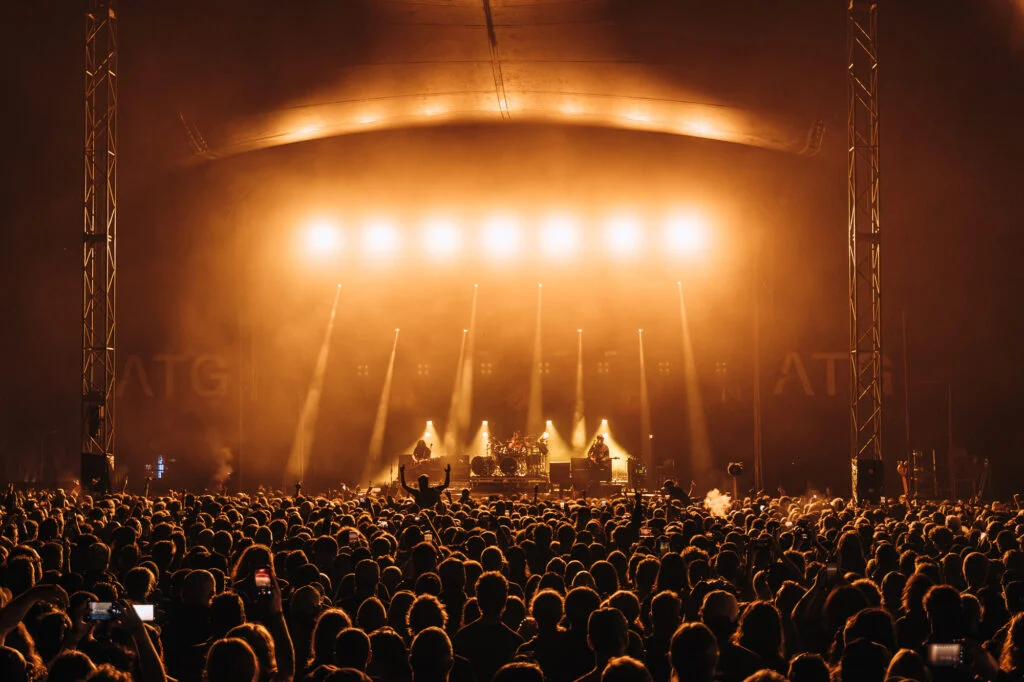
The collaboration, spearheaded by Tinnitus UK and researchers from the Manchester Centre for Audiology and Deafness (ManCAD), utilized the festival’s diverse programming—which spans extreme metal, progressive rock, and avant-garde electronics—as a real-world laboratory to test the feasibility of implementing WHO-recommended sound safety measures without compromising the artistic integrity of the performances.
A Chronology of Advocacy
The journey toward this landmark integration began long before the gates opened at the Mendips site. Following a series of awareness-raising campaigns during Tinnitus Week 2026 and a significant presence at the Download Festival earlier this year, Tinnitus UK identified a clear demand for actionable hearing health infrastructure.
The timeline of the initiative can be categorized into three distinct phases: the pre-festival consultative period, the active implementation stage during the four-day event, and the ongoing post-festival analysis phase. In the months leading up to ArcTanGent, organizers worked closely with acoustic engineers and audiologists to audit stage layouts and sound systems. This preparation culminated in the deployment of real-time sound level monitoring and the strategic placement of hearing protection resources across the site during the event.
The WHO Global Standard: Framework and Implementation
The WHO Global Standard for Safe Listening is predicated on six core pillars: sound level monitoring, sound system design, the availability of personal hearing protection, access to quiet areas, staff training, and the control of volume levels at the source.
At ArcTanGent, these standards were translated into operational practice. To ensure accessibility, the festival provided free foam earplugs at all primary stage barriers, removing the logistical friction that often prevents concertgoers from protecting their hearing. For those seeking a higher fidelity experience, specialized earplugs were made available at merchandise outlets and the Metal For Good tent.
The implementation was not merely a matter of logistics; it involved a complex collaboration with sound engineers to manage volume levels. By utilizing the HEAL (Hearing Education and Awareness for Lifelong Hearing Health) initiative, festival staff underwent specialized training to recognize the early signs of noise-induced fatigue and to manage crowd flow into quieter zones. This systemic approach ensured that the responsibility for hearing health was shared between the organizers and the attendees, rather than being placed solely on the individual.
Data-Driven Insights and Audience Behavior
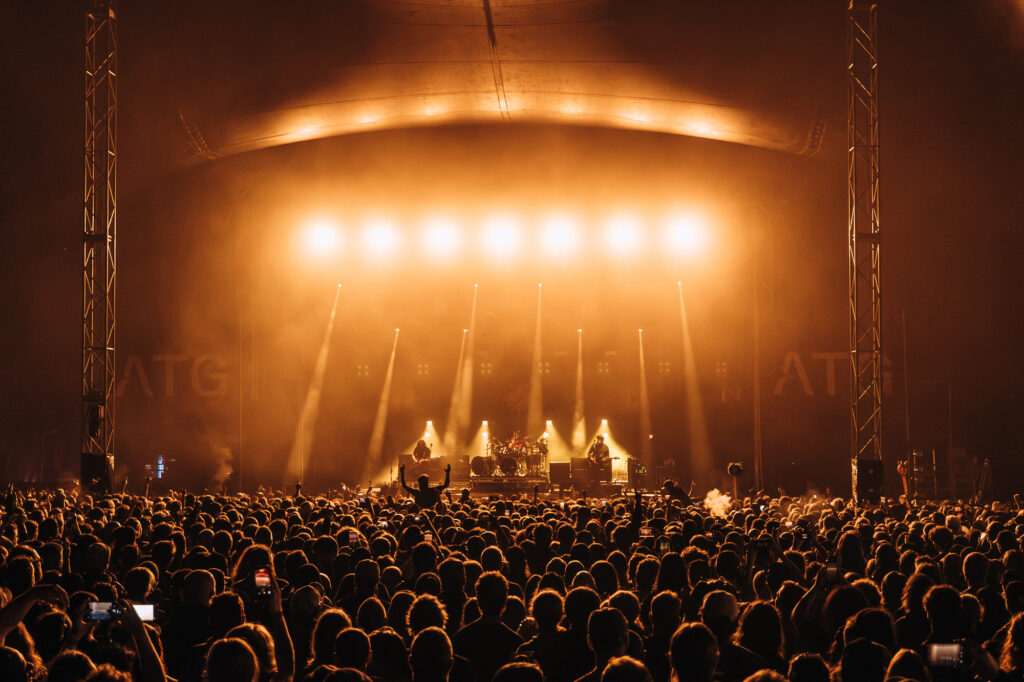
One of the most compelling findings from the festival was the baseline level of "protective culture" already present among the attendees. Observations conducted by ManCAD researchers indicated that more than 50% of the audience members in front of the main stages were utilizing some form of hearing protection. This figure suggests that the stigma once associated with wearing earplugs at live events is rapidly dissipating, particularly among fans of high-decibel genres.
Preliminary data gathered through interviews with sound technicians, performers, and festivalgoers revealed that the implementation of the WHO standards did not negatively impact the perceived quality of the music. On the contrary, many attendees reported that the sound engineering, optimized for safe limits, felt cleaner and less distorted. This anecdotal evidence aligns with acoustic research suggesting that sound systems operating within controlled, optimal decibel ranges often provide superior clarity compared to those pushed to the threshold of physical pain.
Expert Perspectives and Official Responses
The academic and professional community has viewed the ArcTanGent trial as a critical proof-of-concept. Dr. Samuel Couth, a lecturer at ManCAD, emphasized the necessity of bridging the gap between clinical research and real-world application.
"Live music is a cornerstone of cultural expression, but we must reconcile our love for amplified sound with the physiological reality of our auditory systems," Dr. Couth stated. "The ArcTanGent trial proves that we do not have to choose between the thrill of a live performance and the preservation of our hearing. By integrating these standards, the industry can ensure that the next generation of music fans retains their ability to enjoy these experiences well into the future."
Representatives from Tinnitus UK noted that the receptivity of the artists themselves was a critical, albeit unexpected, success factor. Many bands performing at the festival expressed support for the initiative, recognizing that their longevity—and the longevity of their fans—is directly tied to the adoption of safer listening practices.
Economic and Public Health Implications
The implications of this trial extend far beyond a single festival in the Mendips. Noise-induced hearing loss (NIHL) is a significant public health issue globally, with the WHO estimating that over 1 billion young adults are at risk of hearing loss due to exposure to loud music in recreational settings.
From an industry perspective, the ArcTanGent model provides a template for legal and insurance compliance. As awareness of noise-related liabilities grows, festivals that proactively adopt these standards may find themselves in a stronger position regarding insurance premiums and public liability. Furthermore, by formalizing "safe zones" and providing accessible protection, festivals can cultivate a more inclusive environment, potentially expanding their demographic to include individuals who have previously avoided live events due to concerns over noise-induced tinnitus or hearing sensitivity.
Future Outlook and Industry Standardization
The success at ArcTanGent is intended to serve as a catalyst for a wider industry adoption of the WHO standards. The next phase of this project will involve a comprehensive analysis of the research data, which will be published to provide a clear roadmap for other festival organizers.
The primary challenge remains the scalability of these practices. While implementing these measures at a mid-sized, specialized festival is manageable, applying the same rigor to major multi-stage festivals with tens of thousands of attendees will require significant investment in infrastructure and a shift in industry-wide procurement standards for audio equipment.
However, the momentum is undeniable. The integration of safe listening technology into the live music experience is increasingly viewed as a sign of a mature, responsible industry. As the festival season concludes, the consensus among stakeholders is that the "quiet revolution" at ArcTanGent was not about dampening the spirit of the music, but rather about ensuring that the passion for loud, experimental sound can be sustained for decades to come.
For the average music fan, the message remains simple: while the industry takes steps to manage the environment, the individual remains the final arbiter of their own health. Packing earplugs is no longer a niche precaution; it is a fundamental piece of concert gear, as essential as a ticket or a wristband. As the industry moves toward this new standard, the goal is to make these practices so deeply embedded in the concert experience that they become the invisible, yet vital, foundation of every live event.