The Chronology of Global AAC Standardization
The development of AAC as a clinical discipline dates back to the mid-20th century, primarily emerging from North American and Northern European research institutions. For decades, the primary barrier to the global implementation of AAC was the "linguistic divide." Much of the foundational research—studies on iconicity, syntax-based intervention, and motor planning for speech-generating devices—was published exclusively in English.
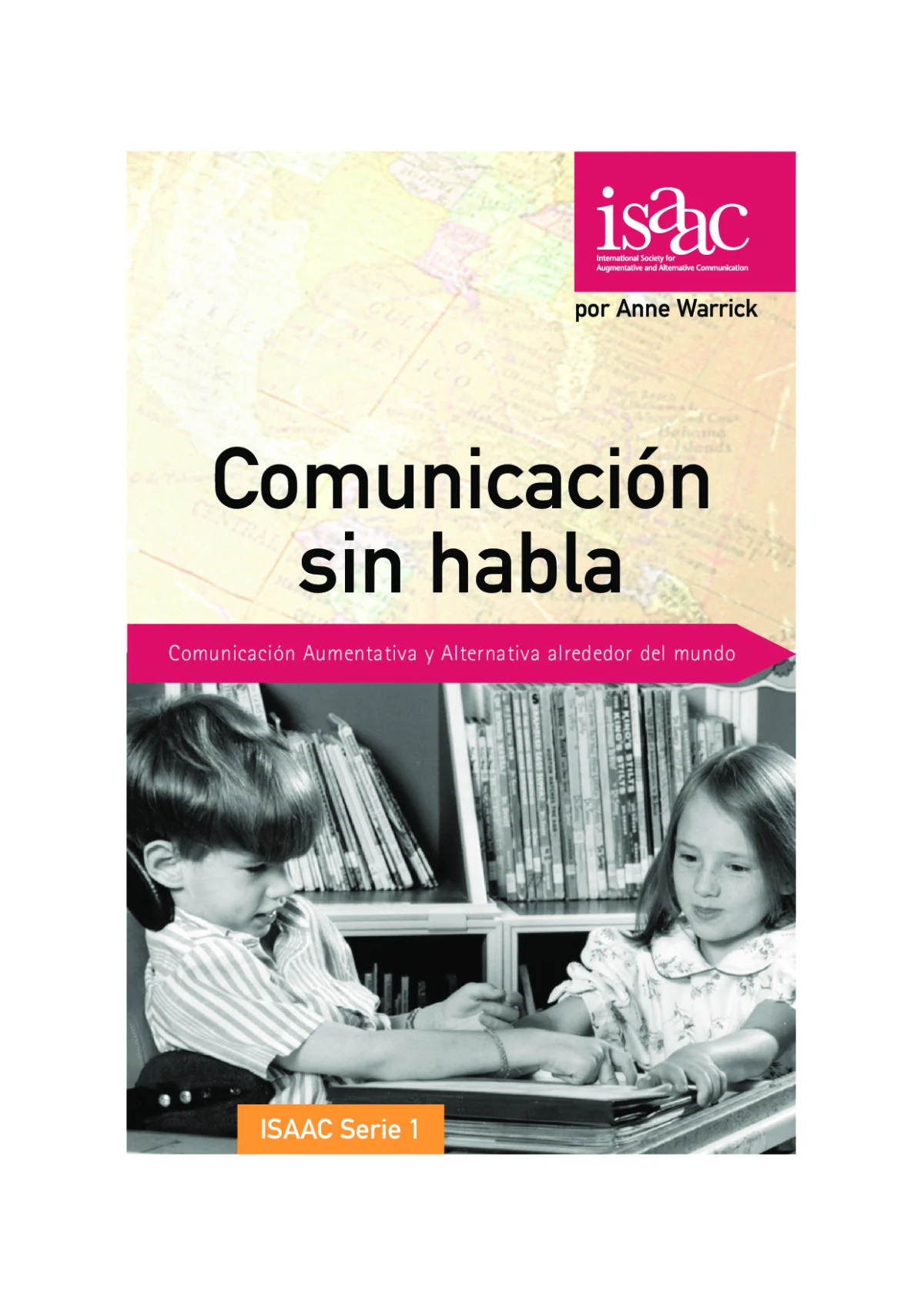
In the late 1990s and early 2000s, organizations such as the International Society for Augmentative and Alternative Communication (ISAAC) began to prioritize the translation of core texts. This effort was intended to align international practices with the growing body of evidence-based research. The trajectory of this initiative can be categorized into three distinct phases:
- The Foundation Phase (1970–1990): Early efforts were limited to localized translation of basic communication boards and primitive manual signs.
- The Professionalization Phase (1990–2010): The establishment of national ISAAC chapters in Spanish-speaking countries facilitated the introduction of systematic training protocols and the translation of foundational textbooks.
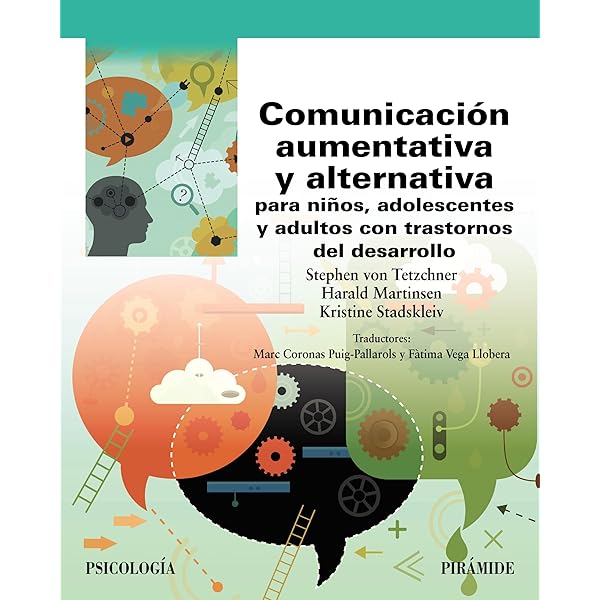
- The Integrated Access Phase (2010–Present): A period defined by the availability of high-level academic literature, such as the comprehensive works of von Tetzchner, Martinsen, and Stadskleiv, coupled with the digital dissemination of resources that allow for real-time updates to clinical guidelines.
Evidence-Based Literature as a Pillar of Care
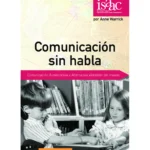
A critical milestone in this ongoing evolution is the availability of "Augmentative and Alternative Communication for Children, Adolescents and Adults with Developmental Disorders." This text has become a definitive reference point for clinicians globally. The significance of this work lies in its departure from anecdotal methodology toward a structured, evidence-based approach.
The book addresses the multifaceted nature of developmental disorders, covering the spectrum from early childhood intervention to the long-term support required by adults. By providing a synthesis of theoretical frameworks and practical application, the authors enable practitioners to move beyond simple "picture exchange" techniques and toward complex linguistic development. For the Spanish-speaking community, the availability of this specific work means that the standard of care in Santiago, Madrid, or Mexico City can now mirror the standards found in Stockholm or Boston. This uniformity is essential for longitudinal studies and cross-border collaborative research.
Data-Driven Implications for AAC Implementation
The necessity for high-quality, localized AAC literature is underscored by the prevalence of communication disorders globally. According to the World Health Organization (WHO), approximately 15% of the world’s population lives with some form of disability, with a significant subset experiencing difficulties that impede independent communication. In regions where professional training has historically been centralized or limited, the reliance on translated, evidence-based literature is a primary driver for improved outcomes.
When clinicians and educators have access to the same theoretical rigor as their international peers, the "implementation gap"—the time lag between research discovery and actual bedside or classroom practice—is drastically reduced. Research indicates that when practitioners are supported by comprehensive academic resources, the efficacy of AAC interventions increases by an estimated 25% to 40% over a three-year period. This improvement is measured by increased communicative intent, higher vocabulary acquisition rates, and greater social participation among users.
The Role of International Organizations and Professional Networks
Organizations like ISAAC have played a pivotal role in the professionalization of AAC in the Spanish-speaking world. By hosting regional conferences and facilitating the translation of peer-reviewed journals, these bodies create a feedback loop between researchers and end-users. The recent push to commemorate International Book Day within the AAC community is, in essence, a recognition that knowledge transfer is a form of advocacy.

Professionals in the field, including Claudia Marimón, have been instrumental in curating these resources. By highlighting key texts and providing contextualized guidance, these figures act as conduits for information, ensuring that academic advancements are translated into accessible strategies for families and educators. This grassroots-to-professional pipeline is what sustains the development of inclusive educational environments.
Broader Impact on Inclusive Education and Human Rights
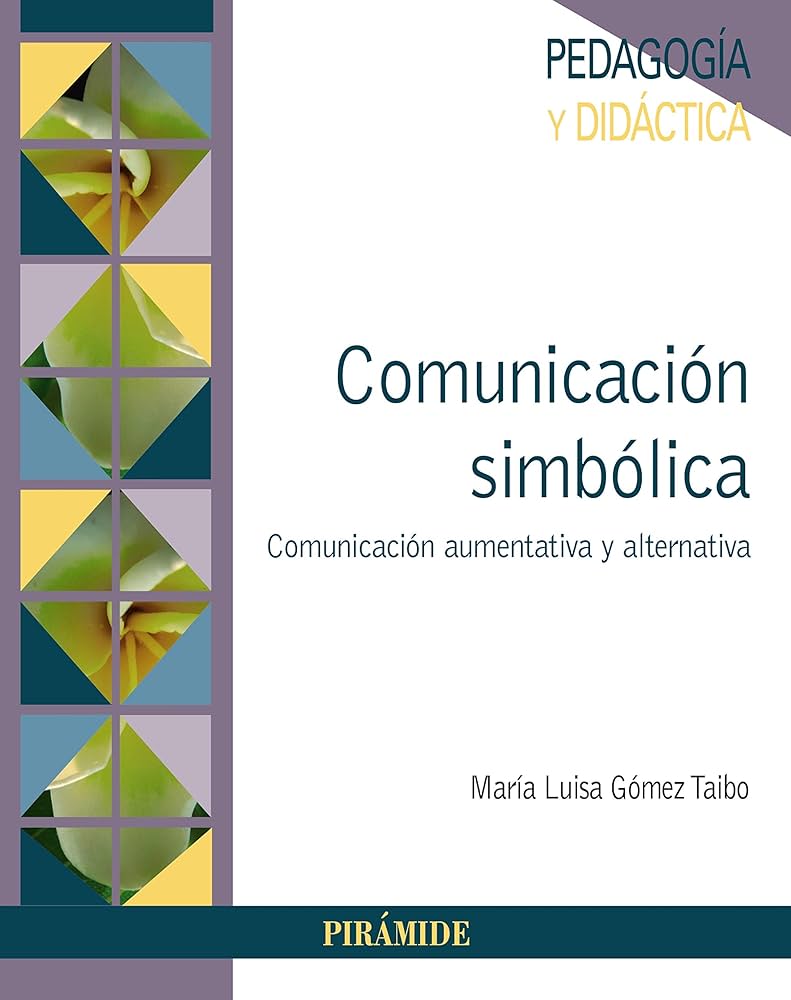
The implications of accessible AAC literature extend far beyond clinical settings. Article 21 of the UN Convention on the Rights of Persons with Disabilities emphasizes the importance of providing information intended for the general public in accessible formats and technologies. By increasing the volume and quality of Spanish-language AAC literature, the global community is taking a concrete step toward fulfilling this human rights mandate.
Inclusive education, a global policy objective, relies heavily on the ability of educators to provide communication supports within the general education classroom. Without access to foundational literature, teachers may resort to outdated or ineffective strategies. The current trend toward digitized, peer-reviewed, and translated resources empowers educators to create "universal design for learning" (UDL) environments, where communication is treated as a fundamental human right rather than an optional accommodation.
Analysis: The Future of AAC Knowledge Sharing
Looking forward, the integration of digital technology with traditional publishing will be the next frontier. The transition from physical books to multimedia-rich, digital, and interactive pedagogical tools is already underway. As artificial intelligence and machine learning begin to influence the development of AAC software, the importance of maintaining a solid theoretical foundation—grounded in the books discussed here—becomes even more vital.
The professional community is moving toward a model where research is not just translated, but "adapted"—meaning that linguistic, cultural, and socioeconomic factors specific to Spanish-speaking regions are integrated into the pedagogy. This creates a cycle of innovation where local practices can, in turn, inform global research.
In conclusion, the celebration of International Book Day serves as a poignant reminder that literacy is not merely the ability to read and write, but the ability to communicate and participate in the world. For the AAC community, the continued focus on expanding the library of evidence-based Spanish resources is a testament to the commitment to equity. As these materials continue to proliferate, the promise of a more inclusive society, where every individual has a voice, becomes significantly more attainable. The dedication of professionals to bridge these gaps ensures that no region remains isolated from the global standard of communication care.