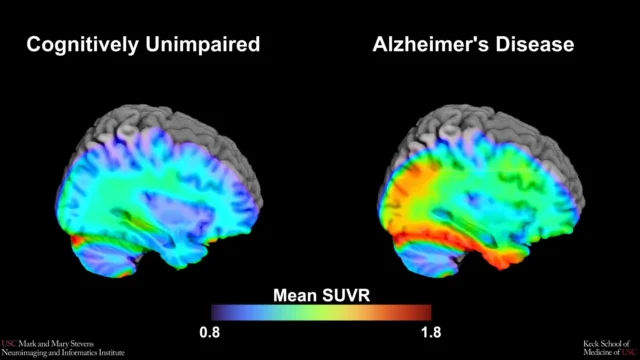

The research team, spearheaded by the University of Florida’s (UF) McKnight Brain Institute and the Center for Advanced Spatial Biomolecule Research, utilized a multi-disciplinary approach that combined large-scale artificial intelligence (AI) analysis of patient records with laboratory experiments involving mouse models and human brain tissue. The results indicate that for patients diagnosed with mild cognitive impairment (MCI), glucosamine use is associated with a 25% greater likelihood of their condition advancing to clinical dementia.
Understanding the Scope: Glucosamine and Cognitive Health
Glucosamine is one of the most frequently used dietary supplements in the United States, particularly among the aging population. It is a naturally occurring amino sugar that serves as a building block for cartilage and is commonly marketed to treat joint discomfort. Because it is available without a prescription and is generally perceived as safe, millions of older adults incorporate it into their daily regimens.
However, the UF study raises critical questions about how this supplement interacts with the metabolic environment of a brain already under stress from neurodegeneration. Mild cognitive impairment (MCI) represents a middle ground between the expected cognitive decline of normal aging and the more serious decline of dementia. While people with MCI can generally perform daily tasks, they experience noticeable problems with memory, language, or judgment.
"In the United States, there are about 7 million people living with Alzheimer’s and millions more with related dementias such as Lewy body or frontotemporal dementia," said senior author Ramon Sun, Ph.D., director of the Center for Advanced Spatial Biomolecule Research and associate director for innovation at UF’s McKnight Brain Institute. "A lot of these people actively take an over-the-counter supplement that could be making their disease progression worse."
The Data: AI Analysis of Patient Health Records
To investigate the potential link between glucosamine and cognitive decline, the research team collaborated with Yi Guo, Ph.D., and Jiang Bian, Ph.D., to analyze de-identified UF Health records spanning a twelve-year period from 2012 to 2024. Using AI-driven data mining, the researchers scrutinized the health trajectories of thousands of patients.
The focus was placed on two primary groups: those diagnosed with Alzheimer’s disease and related dementias (ADRD) and those with MCI. Within these cohorts, approximately 8% of patients—comprising 1,896 individuals with ADRD and 2,750 individuals with MCI—reported regular use of glucosamine.
After adjusting for variables such as age, sex, and various demographic factors, the statistical analysis revealed two striking trends:
- Progression Risk: Patients with MCI who used glucosamine were 25% more likely to see their condition progress to a full dementia diagnosis compared to those who did not take the supplement.
- Mortality Risk: Among patients who had already been diagnosed with ADRD, glucosamine use was associated with a 25% higher mortality risk during the study period.
Notably, the researchers did not find a significant increase in mortality among the MCI group using glucosamine, suggesting that the supplement’s potentially detrimental effects may become more pronounced once the biological framework of dementia is already established.
The Biological Mechanism: Overactive Sugar Tagging
The study goes beyond mere statistical association by proposing a specific biological mechanism that explains why glucosamine might accelerate neurodegeneration. The researchers focused on a metabolic pathway known as O-GlcNAcylation, a process where sugar structures are attached to proteins within cells.
Under normal physiological conditions, this "sugar tagging" is essential for protein folding, stability, and intracellular transport. However, the UF team discovered that in the context of Alzheimer’s disease, this pathway becomes pathologically overactive.
"Proteins are the cell’s molecular machines, and many of them need sugar tags added in just the right way to fold correctly, travel to the right place and do their jobs," explained Matt Gentry, Ph.D., chair of UF’s Department of Biochemistry and Molecular Biology and a study co-author. "What we found in Alzheimer’s is that this sugar-tagging system appears to be overactive. The Alzheimer’s brain is adding too many of these sugar structures, and this seems to contribute to the disease rather than protect against it."
Glucosamine, which can cross the blood-brain barrier, acts as a fuel for this pathway. By introducing more glucosamine into the system, the researchers believe the brain’s already dysfunctional "sugar-tagging" machinery is pushed into overdrive, leading to further cellular damage and cognitive decline.
Validation Through Mouse Models and Human Tissue
To confirm these findings, the team conducted experiments on genetically modified mice designed to exhibit Alzheimer’s-like symptoms. When these mice were treated with glucosamine, they showed a significant increase in protein sugar-tagging within the brain. Furthermore, the treated mice exhibited worsening "social memory"—the ability to recognize and remember peers—compared to control groups.
In a critical test of their hypothesis, the researchers used a chemical inhibitor to suppress the sugar-attachment process in the mice. This intervention led to a measurable improvement in memory performance, suggesting that the metabolic defect is a driver of cognitive symptoms rather than a side effect.
The researchers then turned to human specimens provided by the UF Neuromedicine Brain and Tissue Bank. Examining brain tissue from deceased individuals who had Alzheimer’s, the team, working with Stefan Prokop, M.D., found significantly higher levels of sugar attachment compared to tissue from cognitively healthy controls. This three-tiered approach—AI records, animal models, and human tissue—provides a robust, though still preliminary, case for the metabolic role of glucosamine in dementia.
Broader Implications for Alzheimer’s Research
For decades, Alzheimer’s research has been dominated by the "amyloid hypothesis," which posits that the accumulation of amyloid-beta plaques and tau tangles is the primary cause of the disease. While these remain central features of the pathology, many recent clinical trials targeting these proteins have failed to produce significant cognitive improvements.
The UF study adds to an emerging body of evidence suggesting that metabolic dysfunction may be just as critical as plaques and tangles. "Our results suggest that altered metabolism is a significant contributor to Alzheimer’s progression and, in addition, addressing the metabolic defect could be an important complement to approaches focused on Alzheimer’s plaques and tangles," Sun said.
This shift toward "metabolic neurodegeneration" opens new doors for therapeutic intervention. If the overactive O-GlcNAcylation pathway can be safely modulated in humans, it could provide a new target for slowing the progression of MCI and ADRD.
A Chronology of Discovery and Next Steps
The journey toward these findings began with the development of specialized spatial technology in Ramon Sun’s laboratory. This technology allows scientists to map thousands of molecules simultaneously, revealing how food and drugs are broken down and utilized within specific regions of the brain. This "molecular mapping" led the team to investigate glucosamine due to its prevalence and its ability to penetrate the blood-brain barrier.
Despite the compelling nature of the data, the researchers emphasize that this is not yet a definitive proof of causality. Observational studies, such as the analysis of health records, can identify patterns but cannot account for every confounding variable. For instance, people who take glucosamine for joint pain may have different activity levels or inflammatory profiles than those who do not.
The timeline for future research includes:
- Phase 1 (Completed): Retrospective AI analysis and laboratory validation in mice and human tissue.
- Phase 2 (Upcoming): Design and implementation of controlled human clinical trials to determine if discontinuing glucosamine can slow cognitive decline.
- Phase 3 (Long-term): Development of pharmacological agents that target the O-GlcNAcylation pathway to correct metabolic defects in the Alzheimer’s brain.
Clinical Guidance and Patient Safety
For the millions of adults currently taking glucosamine, the study presents a difficult dilemma. There is currently no official recommendation from the FDA or major medical associations to stop taking the supplement based on this single study. However, clinicians may begin to advise caution, particularly for patients who are already showing signs of memory loss or have a family history of dementia.
Medical experts suggest that patients should not make sudden changes to their medication or supplement regimens without consulting their healthcare providers. A thorough risk-benefit analysis is required: for some, the mobility benefits of glucosamine for severe arthritis may outweigh the theoretical risks, while for others, alternative joint treatments might be safer.
As the scientific community continues to unravel the complex relationship between diet, metabolism, and brain health, the UF study serves as a vital reminder that "natural" supplements are not biologically inert. The metabolic environment of the brain is a delicate balance, and for those at risk of dementia, even a common joint supplement may carry unforeseen consequences.