The campaign, centered on the theme "Charge into Fire Safety: Safe Charging Is a Superpower," represents the 10th year of collaboration between the two organizations. By providing brochures, posters, magnets, and interactive educational activities, the program aims to equip local fire departments with the tools necessary to conduct outreach in schools, host community open houses, and educate the public on the hazards associated with improper lithium-ion battery management.
The Growing Threat of Lithium-Ion Battery Fires
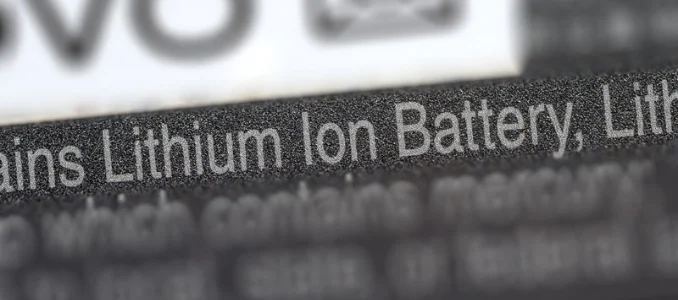
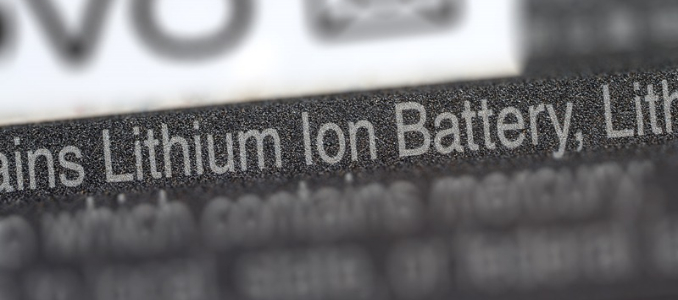
Lithium-ion batteries are favored for their ability to store large amounts of energy in a compact, lightweight form. Despite these advantages, their internal chemistry—which involves the movement of lithium ions between electrodes through an electrolyte—is highly sensitive. When these batteries are damaged, overcharged, or subjected to extreme temperatures, they are prone to a phenomenon known as "thermal runaway."
Thermal runaway occurs when an internal short circuit triggers a rapid increase in temperature, which in turn causes the battery’s chemical components to decompose and release flammable gases. This process can lead to self-sustaining fires that are notoriously difficult to extinguish, often requiring vast amounts of water and specialized training for fire crews. Furthermore, because these fires can reignite long after they appear to be extinguished, they present a significant challenge to emergency responders.
The NFPA has identified a broad spectrum of common household items that utilize this technology, including laptops, tablets, power tools, children’s toys, e-scooters, and electric bicycles. As these devices become increasingly common, the risk of residential fires caused by charging failures has seen a documented uptick, necessitating the urgent public safety messaging that this year’s Fire Prevention Week initiative provides.

A Decade of Partnership: The Evolution of Fire Prevention
The partnership between State Farm and the NFPA has reached its 10th anniversary, marking a decade of sustained commitment to public safety education. Since its inception, the collaboration has focused on disseminating actionable safety data to communities that might otherwise lack the resources to develop comprehensive educational materials.
This year’s focus on lithium-ion batteries is a strategic pivot from previous campaigns that primarily emphasized smoke alarm installation and kitchen fire prevention. By aligning the campaign with the current technological landscape, the organizers are acknowledging that the primary source of residential fire risk is shifting. The transition from legacy fire hazards—such as open flames or faulty wiring—to modern energy storage hazards requires a new approach to public awareness.
The distribution of 5,000 kits is a massive logistical undertaking. By placing these materials directly into the hands of local fire departments, the campaign ensures that information is disseminated by trusted community figures. Fire departments are uniquely positioned to serve as the front line of defense, as they are often the first to witness the devastating consequences of battery-related fires in their jurisdictions.

Chronology of the Safety Crisis
The emergence of lithium-ion battery fires as a significant public safety concern is a relatively recent phenomenon, closely mirroring the rapid adoption of personal electric vehicles and mobile electronics.
- 2018-2020: As the use of e-scooters and e-bikes surged in metropolitan areas, local fire departments began reporting an increase in "unexplained" apartment fires. Analysis of fire scene debris increasingly pointed to battery failure during charging cycles.
- 2022: The NFPA began incorporating specific modules on lithium-ion batteries into their broader fire safety curriculum as data from the Consumer Product Safety Commission (CPSC) indicated a rise in reported incidents.
- 2024: Industry standards for battery testing, such as UL 2271 and UL 2849, gained greater prominence, but the market remained flooded with non-certified, low-cost replacement batteries and charging equipment.
- 2026: The current year marks the national mobilization effort, with the "Charge into Fire Safety" campaign serving as the largest coordinated public education effort to date regarding lithium-ion hazards.
Supporting Data and Implications
Statistical data regarding lithium-ion fires highlights a concerning trend. According to fire safety analysts, the number of incidents involving lithium-ion batteries has grown at an annual rate exceeding the growth of total device ownership. This disparity suggests that the issue is not just the presence of the devices, but the lack of consumer knowledge regarding safe charging practices and the dangers of using counterfeit or damaged charging equipment.
Data suggests that "thermal runaway" events are disproportionately caused by:

- Improper Charging: Using non-compatible or aftermarket chargers that do not regulate voltage correctly.
- Physical Damage: Piercing or dropping devices, which can compromise the internal separators between battery cells.
- End-of-Life Failure: Continuing to use batteries that have significantly degraded or swollen, which are at a higher risk of short-circuiting.
The implications for residential fire safety are profound. Unlike traditional structure fires that might be caused by a singular event, a battery fire can occur while a resident is sleeping or away from home, particularly if the device is left charging in a hallway or near an exit. This significantly reduces the reaction time for occupants and complicates escape plans.
Official Responses and Expert Perspective
While the NFPA has not released a singular "official statement" outside of the campaign launch, industry experts emphasize that education is the most effective tool in preventing these fires. Fire marshals across the country have expressed support for the initiative, noting that current public awareness lags behind the rapid pace of technological adoption.
"The goal is not to demonize these devices," an industry safety expert noted. "These batteries are vital to our modern world. The goal is to establish a culture of ‘safe charging.’ Just as we learned to be cautious with space heaters or candles decades ago, we must now learn to treat high-capacity batteries with the same respect for their energy potential."

The emphasis on the "Superpower" theme is designed to make the messaging accessible to younger demographics. By framing safe charging as a responsible, proactive behavior, the campaign hopes to instill habits in students that will follow them into adulthood.
Broader Impact and Future Outlook
The initiative launched for the 2026 Fire Prevention Week is likely to set a precedent for how fire safety is communicated in the coming years. As the energy grid transitions toward decentralized storage and more households adopt home battery backup systems, the total amount of stored energy in the average home will continue to rise.
The success of this year’s campaign will be measured not only by the number of kits distributed but by the long-term reduction in "charging-related" fire calls reported by participating departments. Furthermore, the collaboration between private entities like State Farm and public organizations like the NFPA serves as a blueprint for future public-private partnerships.

As technology continues to evolve, so too must the strategies for fire prevention. The current focus on lithium-ion safety is a critical step in a broader, necessary evolution of fire safety education. By addressing the risks of modern technology head-on, fire departments and safety advocates are taking proactive measures to ensure that the convenience of the digital age does not come at the cost of public safety. This year’s observance serves as a reminder that with power—specifically, the power stored in our everyday devices—comes the responsibility to manage it safely. As thousands of communities across the United States participate in this week’s events, the collective goal remains clear: to prevent the next fire before the device is even plugged into the wall.