The Evolution of the Safety+ Symposium and Organizational Priorities
The Safety+ Symposium remains the cornerstone event for organizations participating in or pursuing OSHA’s Voluntary Protection Programs (VPP). The 2026 iteration of the symposium underscored a significant departure from historical safety paradigms. While previous years focused heavily on regulatory adherence and administrative documentation, the 2026 event was defined by a discourse on "human-centric safety."
As organizations move toward 2027, the VPPPA has identified three core pillars for the industry: the cultivation of the next generation of safety professionals, the formalization of frontline worker involvement, and the technological adaptation of safety protocols. The association is prioritizing a transition that moves beyond the "policing" model of safety management, advocating instead for a model where frontline employees act as the architects of their own safety policies.
Shifting Dynamics in Worker Involvement
Historically, worker involvement in safety programs was often relegated to participation in committees or the simple acknowledgment of safety protocols. However, current data and industry trends suggest that engagement levels are highest when employees are involved in the design and implementation of safety processes.
Williams noted that the most successful VPP sites are those where frontline workers are granted the autonomy to identify hazards and develop mitigation strategies in real-time. This shift is not merely cultural; it is a response to the increasing complexity of modern work environments. As automation and complex industrial processes become standard, the "boots-on-the-ground" perspective is essential for identifying micro-hazards that management-level risk assessments often overlook.

The VPPPA’s emphasis on this bottom-up approach aligns with long-standing studies on organizational safety climate, which consistently demonstrate that when workers feel ownership over their safety programs, injury and incident rates drop significantly. By integrating this philosophy into the 2027 agenda, the VPPPA hopes to standardize a more participatory model of safety management.
Expanding the VPP Horizon: The Construction Pilot
One of the most significant developments discussed by the VPPPA is the intended expansion of the "Journey Towards Safety Excellence" initiative. This program, which provides a roadmap for organizations seeking to achieve VPP status, has historically been heavily utilized by the manufacturing and general industry sectors.
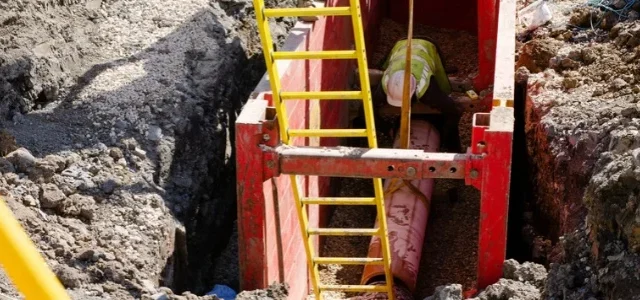
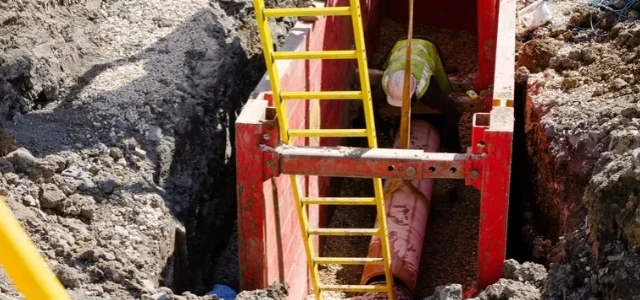
However, the association is now setting its sights on the construction industry—a sector notoriously difficult to regulate due to the transient nature of job sites and the constant fluctuation of the workforce. By working in conjunction with OSHA to develop a potential VPP construction pilot, the VPPPA is attempting to bridge a critical gap in safety oversight.

Industry analysts observe that if successful, a construction-specific VPP model could drastically reduce the high fatality rates associated with the "Fatal Four"—falls, struck-by, caught-in/between, and electrocution hazards. This pilot program represents a major step forward, acknowledging that while construction sites are dynamic, they are not exempt from the high standards of safety excellence required by VPP status.
Technological Integration: AI and Emerging Threats
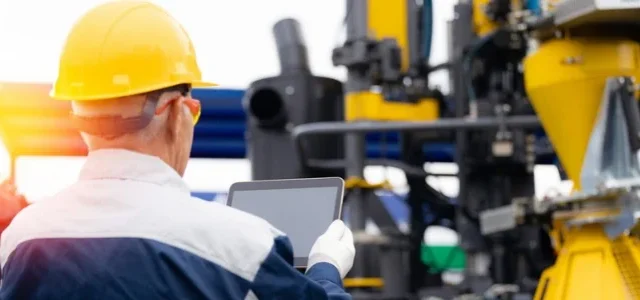
As the industry approaches 2027, the role of Artificial Intelligence (AI) has moved from a theoretical concept to a practical tool for safety professionals. The VPPPA is currently evaluating how AI can be leveraged to predict incidents before they occur. By analyzing vast datasets—ranging from near-miss reports to biometric sensor data—AI platforms offer the potential to shift safety management from a reactive posture to a predictive one.
However, the adoption of AI brings new challenges. Williams emphasized that the "human element" cannot be replaced. The association is focusing on how to integrate AI to support, rather than replace, the judgment of safety professionals. Furthermore, the VPPPA is increasingly concerned with the intersection of mental health and workplace safety. Substance use, fatigue, and burnout have become critical occupational hazards in the post-pandemic era. The 2027 strategic plan involves providing resources to member organizations to help them identify and manage psychosocial risks, recognizing that a worker’s mental well-being is intrinsically linked to their physical safety on the job site.

Building Professional Communities and Mentorship
To support these initiatives, the VPPPA is launching a series of digital platforms and online communities. These forums are intended to facilitate year-round knowledge sharing. Historically, the safety profession has suffered from silos, where best practices remain trapped within individual organizations. By creating a national network of safety professionals, the VPPPA aims to democratize safety knowledge, allowing small-to-medium enterprises to benefit from the advanced safety protocols established by larger, more mature organizations.
This push for professional development is also a recruitment strategy. With a significant portion of the safety workforce nearing retirement age, the association recognizes the urgent need to attract and mentor the next generation. The VPPPA’s 2027 roadmap includes increased investment in educational pathways and certification support, ensuring that the next cohort of safety professionals is equipped to handle the intersection of industrial operations, data science, and behavioral psychology.
Implications for the Future of Occupational Safety
The trajectory outlined by the VPPPA reflects a broader trend in global occupational health and safety. The move toward "Safety Differently" or "Safety II"—concepts that focus on how work succeeds rather than how it fails—is gaining institutional support. The VPPPA’s commitment to these principles suggests that the VPP model is not a stagnant certification, but a living, evolving framework.

The implications for 2027 are clear: organizations that prioritize psychological safety, invest in AI-driven predictive analytics, and flatten the hierarchy of safety decision-making will likely outperform their peers in both productivity and incident reduction. As the VPPPA collaborates with OSHA to finalize the construction pilot and expand its educational initiatives, the standard for "safety excellence" is expected to rise.
Conclusion
As the VPPPA moves into 2027, the message from leadership is one of collaborative growth. By fostering an environment where frontline workers, management, and technology coexist, the association aims to build a more resilient workforce. For safety professionals, the next year represents an opportunity to move beyond the checklist and toward a more profound, integrated approach to workplace safety. Through the adoption of new technologies like AI, the expansion of programs into sectors like construction, and a renewed focus on the mental and physical well-being of the worker, the VPPPA is positioning itself to lead the safety profession into a new, more efficient, and more human-centric era.
For those interested in exploring these topics in greater depth, the OH&S SafetyPod serves as a primary resource for ongoing dialogue. As the industry continues to navigate the complexities of 2026 and prepares for the challenges of 2027, the focus remains on a singular, shared objective: ensuring that every worker returns home safely, every single day.