Traditionally, information architects at GDS are responsible for the planning, design, and execution of research activities that allow teams to understand the mental models of the public. Their work involves organizing complex data into intuitive systems, ensuring that whether a user is looking for tax information or health advice, the journey is logical and frictionless. However, for users with cognitive, motor, or visual impairments, the stakes of IA are significantly higher.
The Strategic Framework: Ontology, Taxonomy, and Choreography
The GDS approach to accessible information architecture is built upon three conceptual pillars: ontology, taxonomy, and choreography. Senior Information Architect Rik Williams argues that prioritizing accessibility requires a deliberate focus on these areas to create systems that are "deeply usable."
Ontology refers to the "what" of information—the concepts and relationships that define a domain. For users with cognitive disabilities or those with limited domain knowledge, an accessible ontology uses clear, consistent language that reduces the mental load required to understand a service. Taxonomy involves the organization of this information. Inclusive taxonomies utilize predictable and logical structures, which are essential for users of screen readers and those with mobility impairments who rely on consistent navigation patterns.
Choreography, the third pillar, dictates how users interact with information across different channels and over time. This includes the logical sequencing of steps in a service, ensuring a coherent tabbing order for keyboard users, and providing clear indications of focus. By viewing these three pillars as a cohesive unit, information architects can build systems that accommodate diverse neurological and physical needs.
Contextualizing the Accessibility Mandate in the United Kingdom
The emphasis on digital accessibility within GDS is not merely a matter of best practice but a response to stringent legal and demographic realities. In the United Kingdom, the Public Sector Bodies (Websites and Mobile Applications) (No. 2) Accessibility Regulations 2018 require all public sector websites and apps to meet the Web Content Accessibility Guidelines (WCAG) 2.1 AA standard.
According to the latest data from the Department for Work and Pensions’ Family Resources Survey, approximately 16 million people in the UK—nearly 24% of the population—live with a disability. This demographic reality means that inaccessible digital services effectively disenfranchise nearly a quarter of the citizenry. Furthermore, research by the "Purple Pound" initiative suggests that the spending power of disabled households in the UK is estimated at £274 billion per year, highlighting the economic imperative for accessible design across both public and private sectors.
The GDS timeline of accessibility integration began in earnest with the 2011 launch of GOV.UK, which replaced hundreds of separate departmental websites with a single, unified platform. Since then, the GOV.UK Design System has become a global benchmark for inclusive design, providing a library of accessible components that ensure consistency across the vast landscape of government digital services.
Institutionalizing Accessibility: Advice for Organizations
For organizations just beginning to prioritize accessibility, Becky Ashley, Lead Information Architect at GDS, suggests that the primary goal should be institutionalization. Accessibility cannot remain the sole responsibility of a single specialist or department; instead, it must be embedded at every level of the organization and across every skillset.
"This can include awareness and education alongside more structured integration in internal workflows," Ashley notes. "A collective mindset and a clear process help to support intuitive and inclusive architectural design."
Sally Creasey, Senior Information Architect at GDS, emphasizes the importance of stakeholder advocacy. She argues that information architects must involve colleagues and stakeholders in the process from the outset. By sharing sitemaps, ontologies, and knowledge organization systems early, architects can build confidence and ensure that the final product meets the needs of end-users. Creasey warns that failing to take stakeholders on this journey risks "missing the mark" and creating systems that, while technically sound, do not align with the practical realities of the organization or its users.
Educational Strategies and the POUR Principles
To bridge the gap between different disciplines—such as developers, content creators, and designers—GDS practitioners utilize shared frameworks. One of the most effective tools cited is the POUR principles, which underpin the WCAG standards:
- Perceivable: Information and user interface components must be presentable to users in ways they can perceive (e.g., providing text alternatives for non-text content).
- Operable: User interface components and navigation must be operable (e.g., making all functionality available from a keyboard).
- Understandable: Information and the operation of the user interface must be understandable (e.g., making text readable and predictable).
- Robust: Content must be robust enough that it can be interpreted reliably by a wide variety of user agents, including assistive technologies.
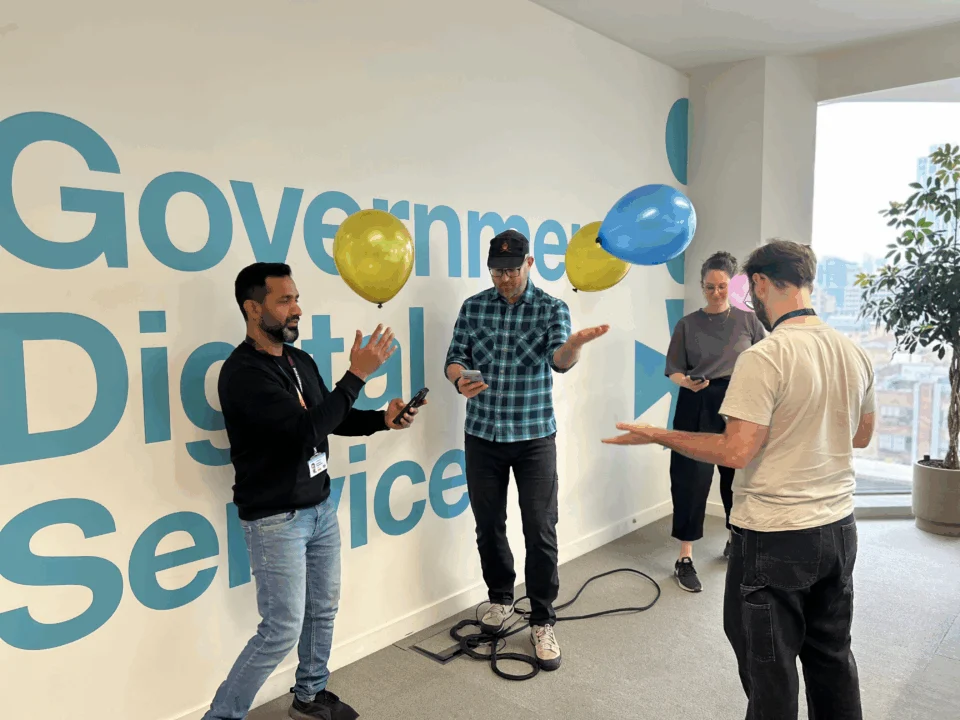
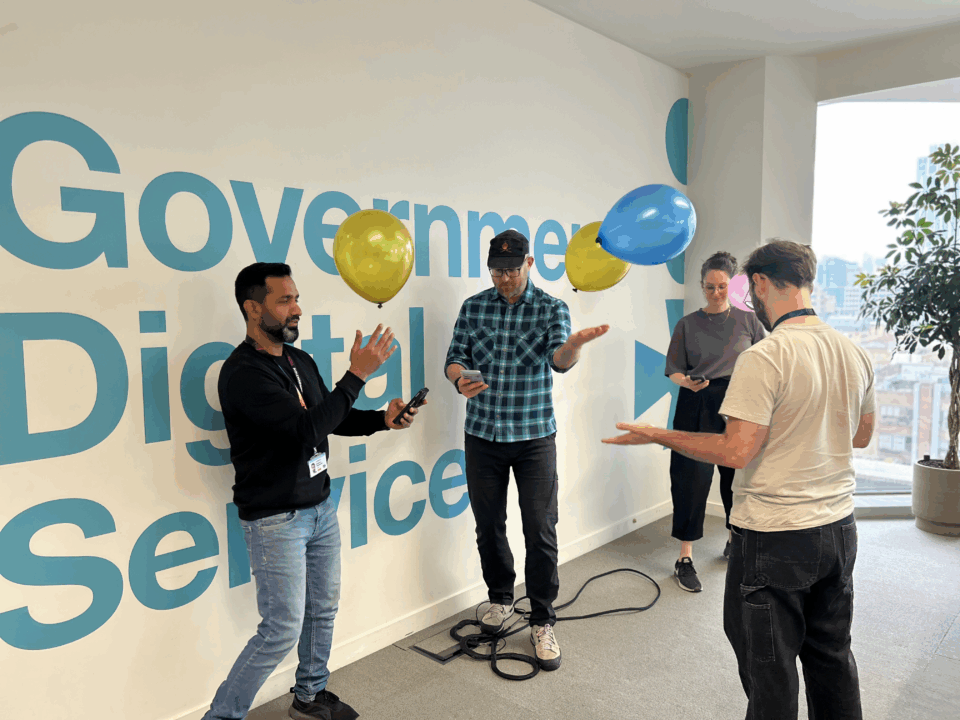
In addition to theoretical frameworks, GDS utilizes experiential learning. Rik Williams describes the use of "empathy balloons"—a game designed to build empathy for people with cognitive or dexterity issues. Other simulations include the use of vision-impairing glasses or motor-control limiting gloves. While Williams acknowledges the limitations of simulations, he argues they are valuable for uncovering issues with process completion, clarity in relationships, and the organization of content that might otherwise go unnoticed by able-bodied design teams.
Identifying and Avoiding Common Pitfalls
Information architecture is prone to several common pitfalls that can inadvertently exclude users. Sally Creasey identifies "organizational bias" as a major hurdle—the tendency to organize information around the internal structure of a department rather than the needs of the user. This often leads to the use of jargon and the creation of sections with overlapping purposes, which Creasey refers to as the "paradox of choice."
"All these things add unnecessary mental load to users, and particularly users with additional needs or disabilities," Creasey explains. To combat this, she advocates for the creation of controlled vocabularies that ensure consistency in language across all platforms.
Becky Ashley points to the "static fallacy"—the belief that once a system is architected, the job is finished. She emphasizes that information systems must be adaptive and subject to a continuous feedback loop. This involves using "accessible metadata" within code and content to ensure that information flows can flex as user needs emerge and evolve.
Tools, Processes, and the Future of Accessible IA
The GDS toolkit for accessible IA includes traditional user research methods adapted for inclusivity. Sally Creasey highlights techniques such as "noun and verb foraging," card sorting, and tree testing. These methods allow architects to understand the specific language and terminology used by people with different access needs, ensuring that sitemaps and taxonomies are built on a foundation of actual user behavior.
Looking toward the future, the GDS is exploring how Artificial Intelligence (AI) and Object-Oriented Design (OOD) can further enhance accessibility. Rik Williams notes that OOD allows for the creation of information environments built around tangible, standardized objects. This approach connects IA and accessibility by ensuring consistent text structures and enabling easier personalization of digital environments.
Becky Ashley also points to the "principle of universality," a concept championed by Web founder Tim Berners-Lee. By adhering to international standards set by the World Wide Web Consortium (W3C), GDS ensures that its services remain compatible with emergent technologies. Ashley suggests that industry awards like Tech4Good serve as important barometers for how new technology can be integrated with accessibility in mind.
Broader Implications for Governance and Public Trust
The work being done by information architects at GDS has implications that extend far beyond the technical specifications of a website. In an era where "digital-first" is the default for government services, accessibility is a prerequisite for public trust. If a citizen cannot navigate a government portal to claim a benefit, register a birth, or pay a tax, the social contract is undermined.
Furthermore, the methodologies developed by GDS provide a roadmap for the broader tech industry. As private sector companies face increasing pressure to demonstrate social responsibility (ESG), the "inclusive by design" philosophy offers a tangible way to improve user experience for all, not just those with disabilities. The "curb-cut effect"—the phenomenon where disability-focused interventions (like sidewalk ramps) end up benefiting a much larger population (like parents with strollers or travelers with luggage)—is frequently observed in digital IA. A clear, logical, and jargon-free navigation system designed for a user with cognitive impairments ultimately makes the service faster and easier for every single user.
As GDS continues its "Unlocking Accessibility" series, the message remains clear: the architecture of information is the architecture of opportunity. By prioritizing the needs of the most vulnerable users, information architects are building a more equitable digital future for everyone.