
The Scope of the Problem: Understanding MSDs
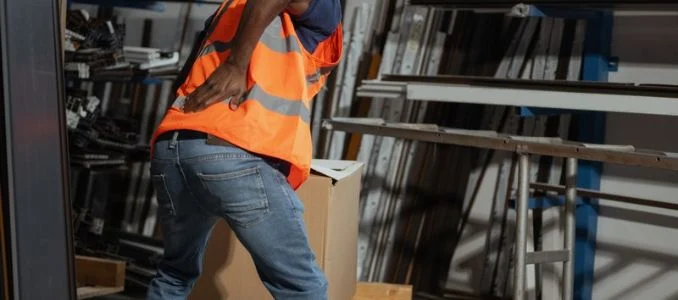
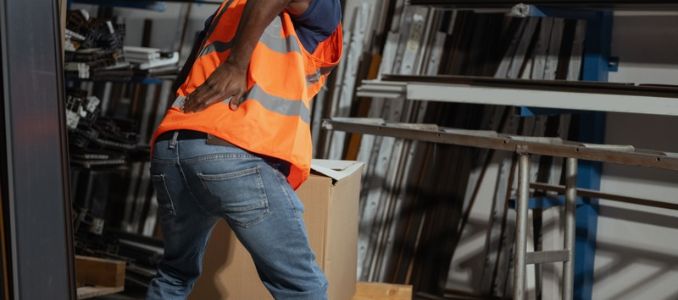
Musculoskeletal disorders, which include conditions such as carpal tunnel syndrome, tendonitis, and lower back injuries, remain the most prevalent category of workplace injuries in the United States. According to data from the U.S. Bureau of Labor Statistics (BLS), overexertion and bodily reaction—which encompass lifting, lowering, pushing, pulling, and carrying—consistently rank among the leading causes of non-fatal occupational injuries that require days away from work.
In Washington state, the statistics mirror national trends. L&I data indicates that while technological advancements have automated many dangerous tasks, the "last mile" of labor—the human interaction with heavy objects—remains a critical point of failure. These injuries are not merely immediate physical setbacks; they represent a significant financial burden on the state’s workers’ compensation system and a direct loss of human capital for businesses that face recruitment and retention challenges in an increasingly competitive labor market.
A Four-Week Strategic Framework
The campaign introduced by the department is structured as a 30-day intervention, designed to transition companies from passive safety awareness to active, sustainable hazard management.
Week 1: Establishing Leadership Commitment
The foundation of any successful ergonomics program lies in executive buy-in. L&I advises that injury prevention must be treated as a core business objective rather than a secondary compliance task. During the first week, employers are encouraged to draft a formal written statement regarding safety goals. This transparency is intended to signal to the workforce that ergonomic health is a priority, thereby fostering a culture where employees feel empowered to report hazards without fear of reprisal or production pressure.

Week 2: Training and Education
Knowledge transfer is the primary objective of the second phase. The department has made a 25-minute ergonomics training course available to the public. This module is designed to educate workers on the mechanics of injury, the importance of proper posture, and the utility of mechanical assistance. By standardizing training, employers can ensure that every worker, regardless of experience level, understands the risks inherent in repetitive physical labor.
Week 3: Participatory Ergonomics
The third week shifts focus to the shop floor. In this phase, employers are asked to collaborate directly with their staff. Because workers are the individuals performing the tasks, they are often the most knowledgeable regarding the "micro-hazards" of their environment. By identifying specific tasks that contribute to fatigue or pain, workers can collaborate with management to select practical, cost-effective improvements—ranging from adjusting the height of workstations to implementing simple lift-assist devices.
Week 4: Implementation and Sustainability
The final week of the initial launch focuses on the immediate remediation of three identified hazards. However, the department emphasizes that this is not a one-time event. The long-term goal of the initiative is to normalize the identification and correction of at least 12 additional hazards over the following calendar year. This iterative process ensures that ergonomics remains a living component of the company’s accident prevention program.

The Role of Regulatory Guidance and Consultation
A critical element of the Washington initiative is the availability of no-charge consultations. Employers often cite a lack of technical expertise as a primary barrier to implementing ergonomic changes. By providing access to safety consultants, L&I aims to bridge the gap between policy and practice. These experts can assist in performing Job Hazard Analyses (JHA), reviewing workstation layouts, and helping firms update their accident prevention programs to reflect current best practices.
"Ergonomics is not just about avoiding injury; it is about human-centered design," said a workplace safety expert familiar with state initiatives. "When a task is designed to fit the human body rather than forcing the body to fit the task, you see an immediate improvement in quality control, employee morale, and operational efficiency."
Economic and Organizational Implications
The economic impact of musculoskeletal injuries is twofold: direct costs and indirect costs. Direct costs include medical treatment, surgery, and physical therapy, all of which are reflected in insurance premiums. Indirect costs are often harder to quantify but are equally damaging to a business. These include the loss of experienced workers during recovery periods, the expense of training temporary replacements, and the erosion of team morale that occurs when an injury creates a heavier workload for remaining staff.
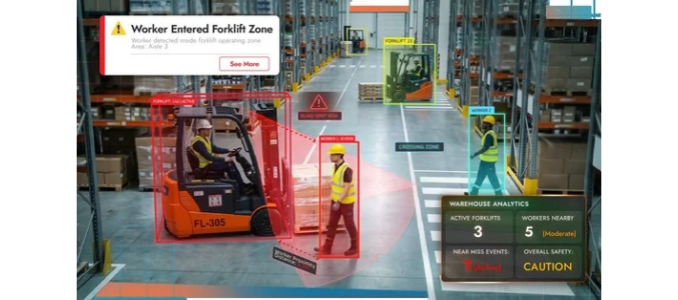
By integrating ergonomics into the safety planning process, businesses can see a measurable Return on Investment (ROI). Studies have shown that companies with robust ergonomics programs report a significant decrease in "near-miss" incidents and a lower turnover rate. Furthermore, in an era where companies are scrutinized for their Environmental, Social, and Governance (ESG) performance, maintaining a high standard for worker health is becoming a key indicator of organizational maturity.
Historical Context of Global Ergonomics Month
Global Ergonomics Month, held annually in October, serves as an international platform to promote the science of fitting the workplace to the worker. While the field of ergonomics (or human factors engineering) originated in military and aviation contexts, its application has become vital in the modern logistics and manufacturing sectors.
In Washington, this month-long focus acts as a catalyst for employers who may have deferred safety upgrades throughout the year. The state’s campaign recognizes that many businesses struggle to balance tight profit margins with the cost of upgrading equipment. Therefore, the L&I resources are curated to offer solutions that are both high-tech—such as collaborative robots—and low-tech, such as ergonomic handles, height-adjustable tables, and improved material handling workflows.

Addressing the Human Factor
The reliance on physical labor in industries like construction, warehousing, and healthcare remains high despite the rapid integration of artificial intelligence and automation in other sectors. As a result, the physical strain on the workforce is an enduring reality. The Washington Department of Labor & Industries recognizes that technology alone cannot solve the problem of physical fatigue.
The initiative highlights the importance of the "human-in-the-loop" concept. Even in highly automated facilities, workers often interact with machines in ways that can cause repetitive strain. The focus of this campaign on "identifying and correcting" suggests a shift toward a continuous improvement model, similar to the Lean manufacturing principles utilized by successful firms globally.
Looking Ahead: Future of Workplace Safety
As the campaign progresses, the data collected from participating employers will likely provide valuable insights into the most common injury vectors in the state. If the program proves successful in reducing workers’ compensation claims, it could serve as a model for other states grappling with similar industrial safety challenges.
For employers, the invitation to participate is also a call to audit their existing safety cultures. A workplace that effectively mitigates ergonomic risks is often one that fosters better communication between management and staff, leading to increased productivity and a more resilient workforce.
The Washington Department of Labor & Industries continues to provide updated templates, webinars, and on-site assistance for those looking to begin their four-week journey. By prioritizing the physical health of the worker, the state aims to ensure that its economic engine remains powered by a healthy, capable, and well-supported workforce. Employers are encouraged to leverage these resources early in the month to ensure they have sufficient time to consult with experts and implement the necessary changes before the end of the year.
For those interested in the technical aspects of these resources, the department’s website offers a comprehensive repository of ergonomics case studies, hazard assessment tools, and video training materials. As the industrial landscape continues to evolve, the necessity of proactive ergonomic design will only grow, making this October’s initiative a significant milestone in the state’s ongoing effort to modernize workplace safety.