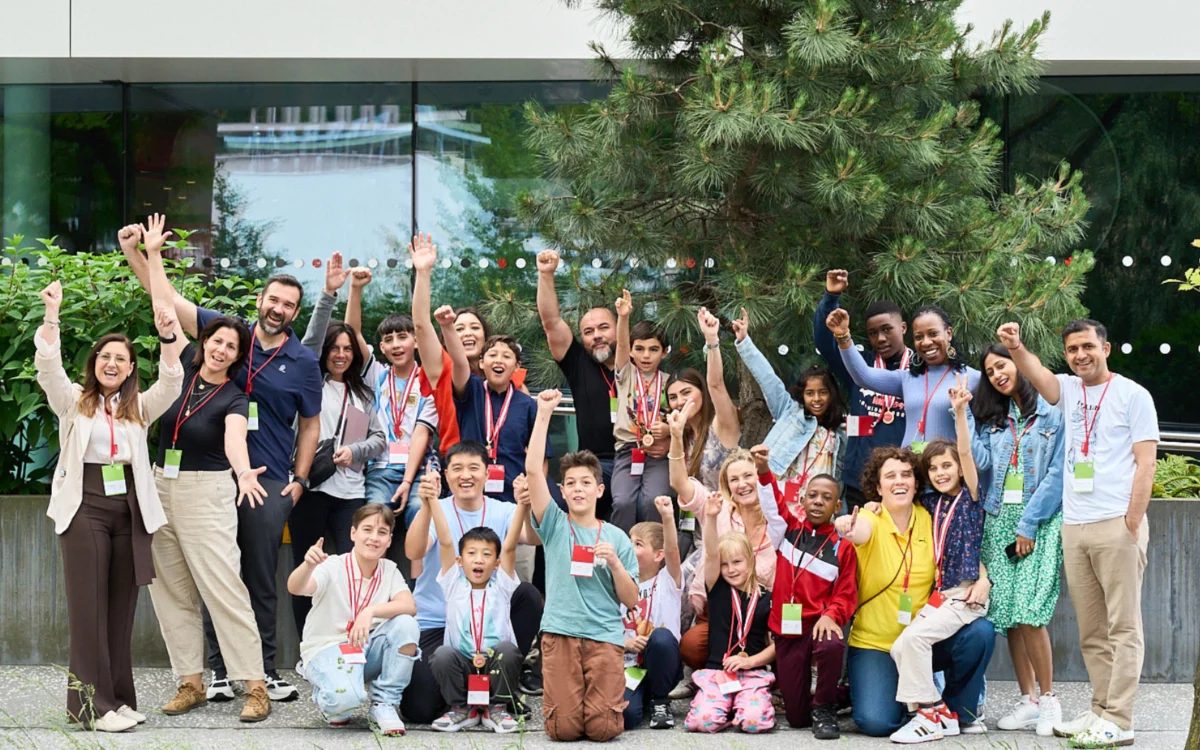
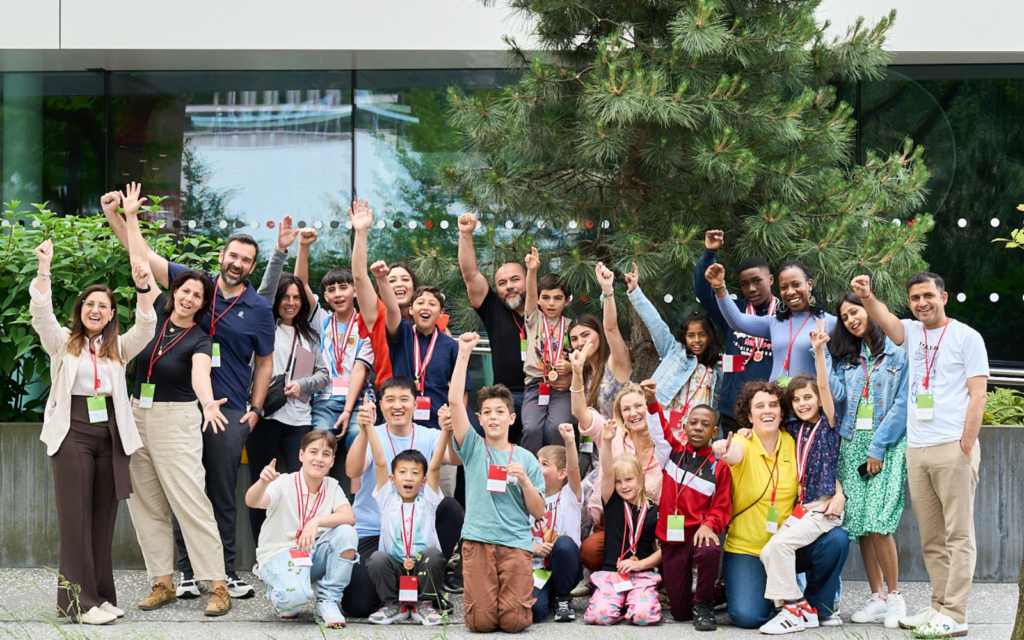
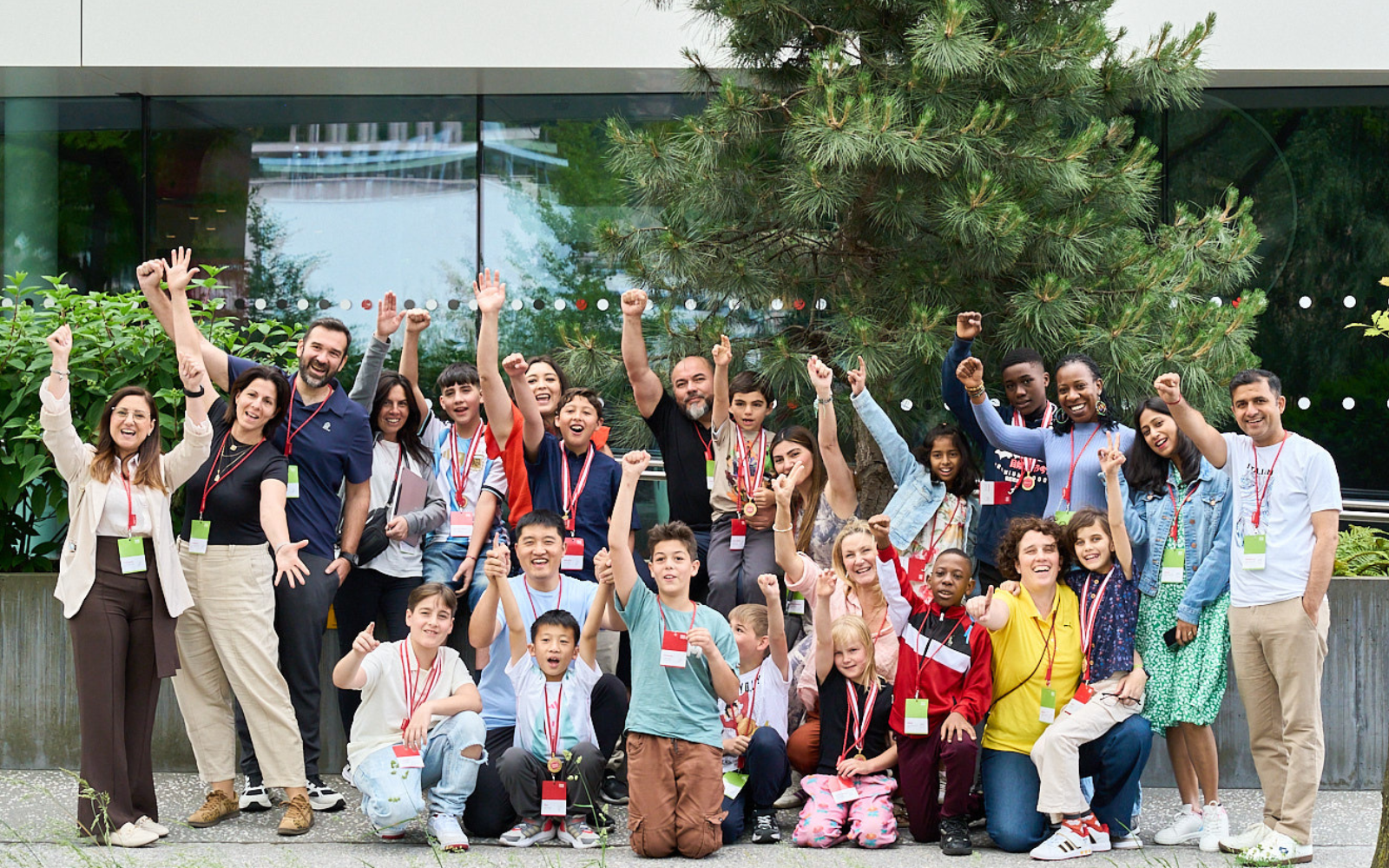
The IDEASforEARS event, hosted annually at MED-EL headquarters, serves as a unique platform for young innovators from across the globe to showcase inventions inspired by their personal experiences with hearing implants. These ideas, characterized by their creativity, thoughtfulness, and deep personal connection, highlight a crucial insight: children who grow up with advanced hearing technology are not only beneficiaries of innovation but also active shapers of its future. The event, which has been a cornerstone of MED-EL’s commitment to user-centric innovation for nearly a decade, provides a vibrant environment where young minds are encouraged to translate their lived experiences into tangible solutions for enhanced hearing.
Innovation Fueled by Lived Experience
The young participants in IDEASforEARS are not merely passive recipients of technology; they are active thinkers who envision what comes next. Their inventions often address specific challenges they encounter in their daily lives, demonstrating a profound understanding of both the capabilities and potential limitations of current hearing solutions.
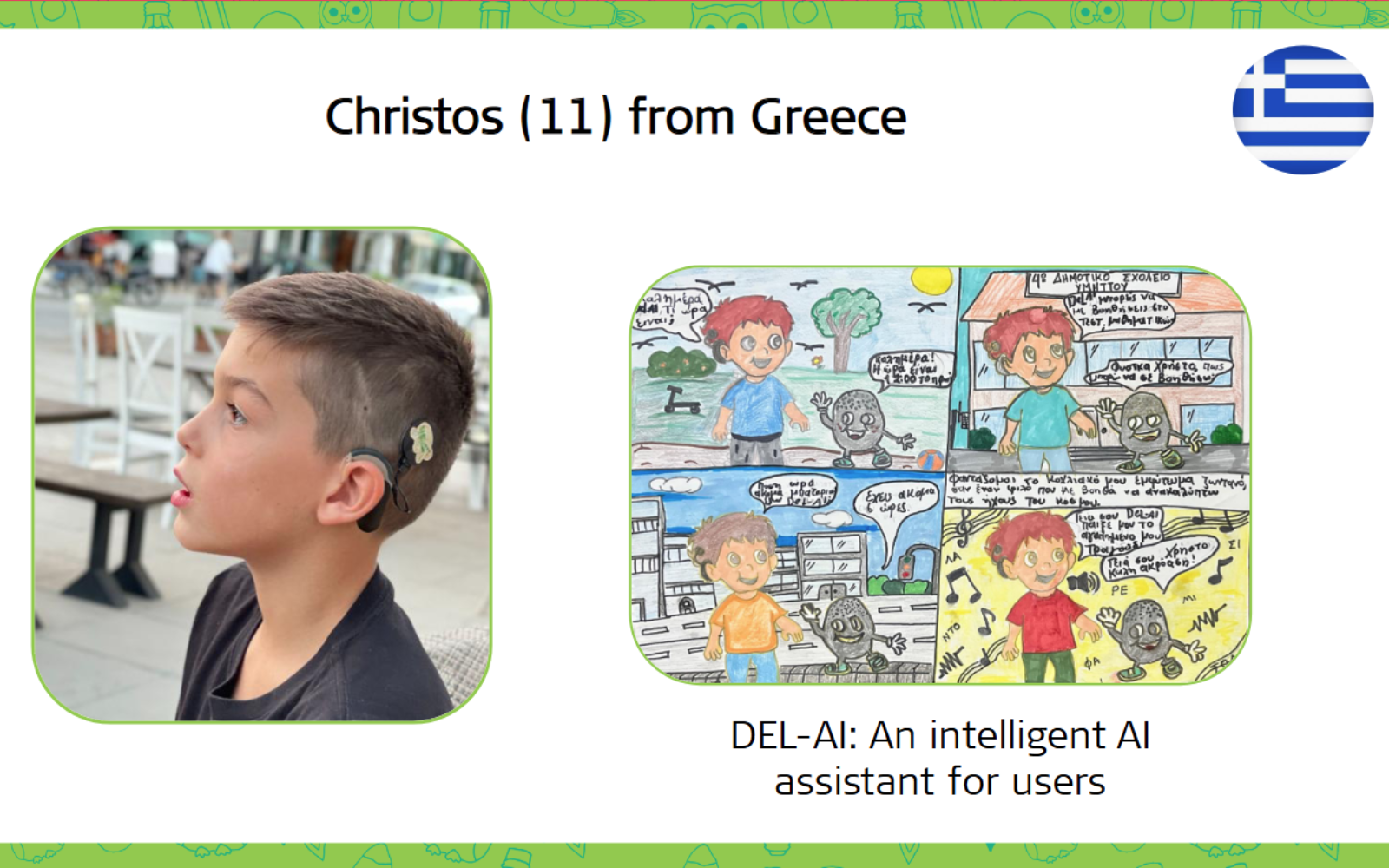
Eleven-year-old Christos from Greece, who received his first cochlear implant at 15 months old and his second at two and a half, understands the profound impact of hearing on his life. For him, hearing signifies "communication with friends and contact with nature." His personal journey with hearing loss and subsequent implantation has inspired him to conceptualize an AI-powered cochlear implant designed for automatic adaptation to diverse listening environments. Christos envisions a system where users can control volume through voice commands, effectively filter out loud background noise, and manage battery life with greater ease. His specific focus on improving the clarity of speech in noisy classroom settings underscores the critical role of auditory input in academic success and social engagement for children.
"I wanted loud noises not to bother me, and to be able to turn the volume down with just a command," Christos stated, articulating a desire for greater control and comfort in everyday sonic environments. This desire highlights a common aspiration among hearing implant users: seamless integration of technology into daily life without disruption.
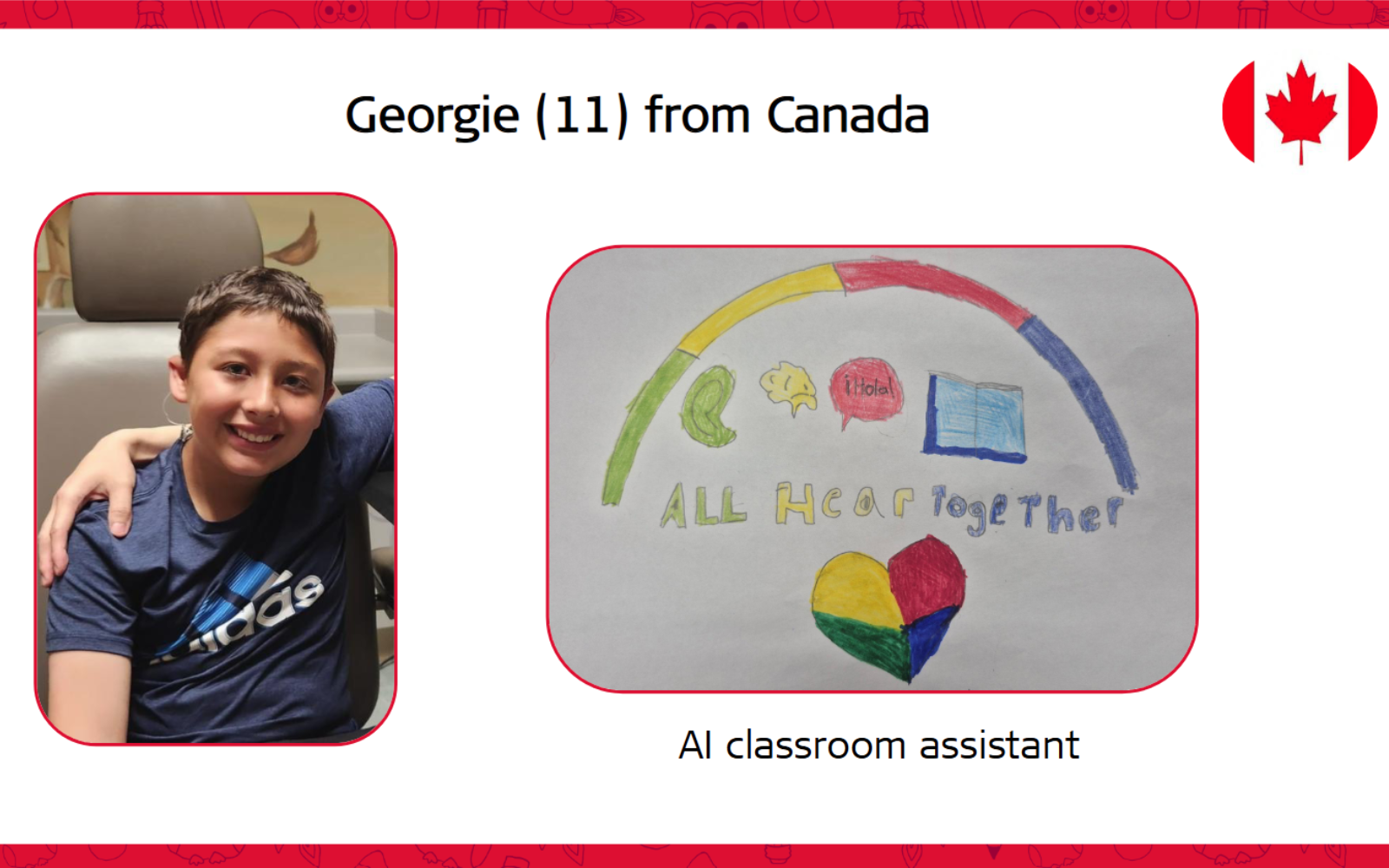
Georgie, also 11 years old, hails from Canada and is dedicated to fostering more inclusive educational spaces. Born with microtia and experiencing hearing loss, Georgie’s journey involved years of medical appointments, therapy, and diagnostic testing before he received his hearing implant at the age of nine. He vividly recalls the transformative moment his device was activated: "Everything sounded clear. For the first time, I could truly understand sounds. That moment changed my life."
Inspired by his own academic experiences, Georgie developed "All Hear Together," an AI-based classroom application. This innovative software aims to support students facing various learning challenges, including hearing loss, language barriers, ADHD, and autism. The application’s proposed features include live captioning, real-time language translation, the generation of visual aids, and direct audio streaming to hearing devices. Georgie’s motivation stems directly from his observations in multicultural classrooms, where students often navigate learning in a new language while simultaneously managing diverse educational needs.
"I wanted to create something that helps everyone feel included and gives all students the same opportunity to understand and learn," Georgie explained, emphasizing the universal need for equitable access to information and educational opportunities. His vision directly addresses the complexities of modern learning environments and the growing awareness of neurodiversity.
Santino, a 12-year-old from Argentina, has also channeled his daily experiences with hearing implants into a practical invention. As he has grown older, Santino has focused on the concept of independence and the everyday challenges faced by many implant users. His innovative idea is a vibrating bracelet alarm designed to help cochlear implant users wake up independently, particularly when they are not wearing their audio processors.
"When I was 8 years old, I used to think about how I would wake up by myself when I grew up," Santino shared, illustrating the forward-thinking nature of his invention and its grounding in personal anticipation of future needs. This seemingly simple device addresses a significant aspect of personal autonomy for young users.
These inventions collectively underscore the power of lived experience to drive meaningful innovation. They demonstrate a creative spirit that emerges when children are empowered to think without limitations, translating personal challenges into opportunities for technological advancement.

The Crucial Role of Early Hearing Intervention
Underpinning the success stories of these young innovators are several common threads: the paramount importance of early diagnosis, timely support, and prompt access to sound. Research consistently shows that the earlier hearing loss is identified and addressed, the better the long-term outcomes for speech, language, and cognitive development.
Christos’s parents recognized his need for additional hearing support when he was just one year old. The timely implantation and subsequent therapy had a demonstrably positive impact on his speech development, communication abilities, and overall confidence. His parents reflect on the significant progress he has made, noting, "If someone does not notice that he wears a cochlear implant, they would not realize that this child was born deaf." This statement speaks volumes about the transformative potential of early intervention and advanced hearing technology.
Santino’s hearing journey also began at an early age. Diagnosed as a baby, he commenced speech therapy at six months old and later utilized hearing aids before becoming a candidate for bilateral cochlear implants, which he received at age two. His mother emphasizes the critical role of patience and consistent therapy following the activation of his implants. "Santi not only started speaking but also learned how to listen," she recounted, "and that was when we realized: Yes, this is really working!" This sentiment highlights the active process of learning to interpret and utilize auditory information, even with the aid of technology.
Georgie’s family navigated a particularly lengthy and emotionally charged path. Their commitment to ensuring Georgie had access to the best possible support and opportunities led them to relocate internationally. Early therapeutic interventions, including music therapy, speech therapy, and the use of a bone conduction device, laid a robust foundation that contributed to the success of his later implantation.
For all three families, the focus of early support extended beyond mere auditory function. It was about enabling their children to participate fully in life. This included fostering natural communication with family and friends, building self-assurance at school, facilitating language acquisition, encouraging participation in play and social activities, and nurturing the discovery of personal passions. Crucially, it equipped their children with the tools necessary to become independent thinkers and, as demonstrated by their involvement in IDEASforEARS, future innovators.
Growing Up Without Boundaries: Confidence and Future Aspirations
One of the most inspiring aspects of these narratives is the palpable confidence these young MED-EL users possess regarding their futures. When asked about their ability to achieve their aspirations, Georgie responded with unwavering optimism: "Yes, I feel like the sky is the limit. Because of everything I’ve been through, I’ve learned that nothing comes easy, but if you keep trying and don’t give up, you can achieve your goals." This statement reflects a profound resilience and a strong work ethic forged through their experiences.
For these families, cochlear implantation marked the commencement of a journey brimming with possibilities for their children. Santino’s mother eloquently expressed this sentiment: "With his implant, he has the same opportunities as any other child." This highlights the goal of achieving parity and ensuring that hearing loss does not present an insurmountable barrier to future success.
Georgie’s parents echo this sentiment, observing a significant transformation in their son since receiving his implant. They note his increased independence, enhanced engagement at school, and improved social confidence. "We’ve seen a big change," they explained. "He understands much more, and that helps him feel more secure and independent." This underscores the interconnectedness of auditory comprehension, self-perception, and social integration.
The success of these young individuals is a testament to the cumulative impact of early intervention, consistent support, and access to cutting-edge hearing technology. Data from organizations like the World Health Organization consistently emphasizes the critical window for language development in early childhood, reinforcing the importance of timely interventions for children with hearing loss. Studies have shown that children who receive cochlear implants before the age of two demonstrate language skills comparable to their hearing peers by school age, provided they receive comprehensive audiological and educational support.
The personal achievements of Christos, Georgie, and Santino are not isolated incidents. They represent a broader trend observed in children who benefit from advanced hearing solutions. A 2023 report by the National Institute on Deafness and Other Communication Disorders (NIDCD) indicated that children with cochlear implants who are enrolled in comprehensive educational programs show significant improvements in academic achievement and social-emotional development. These findings further validate the critical role of technology in conjunction with dedicated support systems.
A Future Built Together Through Collaboration and Innovation
The IDEASforEARS event is more than just a competition; it is a vibrant celebration of creativity, courage, and community. It powerfully demonstrates that children with hearing loss are not defined by limitations. Instead, they possess the potential to be innovators, dreamers, problem-solvers, and leaders.
Their ingenious inventions serve as compelling evidence of how lived experiences can inspire meaningful and practical advancements in technology. Their personal stories underscore the profound significance of early access to hearing technology and the necessity of tailored, individualized support throughout their development. Moreover, their unwavering confidence serves as a powerful testament to what is achievable when children are empowered to grow and explore their potential without artificial boundaries.
At MED-EL, the ethos of innovation has always been deeply rooted in the needs and experiences of people. Events like IDEASforEARS are instrumental in ensuring that the next generation of users plays an active role in shaping the future trajectory of hearing technology. By actively involving young users in the design and conceptualization process, MED-EL fosters a collaborative environment that leads to more intuitive, effective, and user-friendly solutions.
The ongoing success of the IDEASforEARS initiative, with its upcoming 10th edition scheduled to commence in November 2026, signifies a sustained commitment to nurturing young talent and driving forward the field of hearing healthcare. This forward-looking approach, grounded in user insights and technological advancement, promises a future where hearing loss is increasingly addressed not as a deficit, but as a challenge that can be overcome through innovation and unwavering support.
The implications of these young innovators’ work extend far beyond the immediate technological advancements. They represent a paradigm shift in how we view individuals with hearing loss – not as passive recipients of care, but as active contributors to societal progress. Their creations have the potential to influence the development of assistive technologies across various domains, inspiring further research and development in areas such as artificial intelligence, personalized learning platforms, and inclusive design principles. The confidence and empowerment fostered through programs like IDEASforEARS are crucial in breaking down societal barriers and promoting a more inclusive world for all.
Solutions for Children With Hearing Loss
Want to learn more about how MED-EL’s hearing solutions can help children with hearing loss?
© MED-EL Medical Electronics. All rights reserved. The content on this website is for general informational purposes only and should not be taken as medical advice. Contact your doctor or hearing specialist to learn what type of hearing solution suits your specific needs. Not all products, features, or indications are approved in all countries.