A Legacy of Advocacy and Community Engagement
Since its inception, the NAD Biennial Conference has functioned as the primary mechanism for the organization to set its national agenda. Historically, the conference provides a platform for members to debate policy, elect national leadership, and address the most pressing civil rights issues facing the community. The selection of San Francisco as the 2026 host city reflects a strategic effort to engage with the vibrant Deaf culture of the West Coast.
The recent site visit by the NAD Board of Directors served as a critical milestone in the event’s timeline. By meeting with local partners and representatives from the City of San Francisco’s Office of Disability and Access, the leadership team aims to ensure that the urban infrastructure can support the specific communication and mobility needs of thousands of attendees. This logistical preparation is not merely about facility capacity; it is about establishing a high-water mark for the Americans with Disabilities Act (ADA) compliance in large-scale event hosting.
Collaborative Framework and Stakeholder Partnerships
The complexity of hosting a conference of this magnitude necessitates a multi-layered approach to governance and operations. Interim CEO Bobbie Beth Scoggins has been tasked with the executive oversight of these logistical preparations. The organizational structure for the 2026 event involves an expansive network of partners, including the Registry of Interpreters for the Deaf (RID) Region V and its associated chapters, as well as the National Deaf Education Committee (NDEC).
Furthermore, the NAD is leveraging its relationship with established California-based service providers, such as NorCal Services for the Deaf and Hard of Hearing, the Deaf Counseling Advocacy and Referral Agency (DCARA), and the Greater Los Angeles Agency on Deafness (GLAD). These partnerships are essential to addressing the intersectional needs of the attendees, ranging from language access to specialized assistive technologies. The involvement of "Deaf in Government," a group dedicated to the professional advancement of Deaf federal employees, highlights the conference’s role as a nexus for career development and policy-shaping.
Addressing the National Landscape: Context and Challenges
The momentum toward 2026 occurs against a backdrop of significant systemic challenges. Current data regarding the Deaf and hard-of-hearing community reveals persistent gaps in critical service areas. According to recent reports from various advocacy groups, the national shortage of qualified American Sign Language (ASL) interpreters remains a primary barrier to equity in healthcare, judicial proceedings, and public education.
The NAD Board of Directors has acknowledged these disparities, noting that the organization is actively monitoring legislative shifts that could affect disability rights. Educational inequity, in particular, remains a focal point for the NAD. Research from the National Center for Education Statistics suggests that Deaf and hard-of-hearing students continue to face significant achievement gaps compared to their hearing peers, largely due to inconsistent access to language-rich environments and specialized educational resources. By centering these topics at the 2026 conference, the NAD intends to translate community concerns into concrete policy recommendations and advocacy strategies that can be implemented at both the state and federal levels.
Technological Advancement and Digital Transformation
Parallel to the physical planning of the conference, the NAD is undergoing a significant digital transformation. In the coming weeks, the organization is scheduled to launch a redesigned website. This digital infrastructure update is intended to streamline the delivery of advocacy resources, improve the user experience for those accessing information on legislative developments, and provide a more robust platform for conference registration and real-time updates.
The shift toward a more accessible digital presence is a response to the evolving ways in which the community consumes information. By prioritizing a user-centric design that integrates accessibility features, the NAD aims to ensure that its digital advocacy tools are as effective as its in-person gatherings. This upgrade is part of a broader, long-term commitment to enhancing transparency and ensuring that stakeholders across the country remain informed about the organization’s activities and initiatives.
Chronology of the 2026 Conference Planning
The journey to the 2026 conference is structured through a series of intentional milestones designed to maximize community impact:
- Phase I: Strategic Foundation (Q1 2025): Establishing the leadership structure, finalizing venue contracts, and initiating partnership agreements with regional organizations.
- Phase II: Community Engagement and Content Development (Q2–Q4 2025): Issuing calls for proposals for workshops, keynotes, and panel discussions; aligning the conference agenda with the NAD’s current advocacy priorities.
- Phase III: Digital Integration (Ongoing): Launching the updated NAD web platform to serve as the central hub for all conference-related documentation and communication.
- Phase IV: Execution (Summer 2026): Hosting the biennial gathering, which will include legislative sessions, training seminars, and cultural exhibitions.
Economic and Social Implications
The selection of a major metropolitan hub like San Francisco for the biennial conference carries significant economic implications for the local Deaf community and the broader accessibility sector. Hosting such an event requires a massive infusion of resources into local accessibility services, including the hiring of professional interpreters, the installation of communication access real-time translation (CART) services, and the provision of assistive listening systems.
Beyond the immediate economic impact, the conference serves as an incubator for social change. By bringing together activists, educators, and policy experts, the event fosters the cross-pollination of ideas that often leads to state-level legislation. In past iterations, resolutions passed at the NAD conference have served as the foundational language for subsequent federal advocacy efforts, proving that these gatherings are instrumental in the long-term protection of the rights of Deaf and hard-of-hearing citizens.
Official Stance on Community Engagement
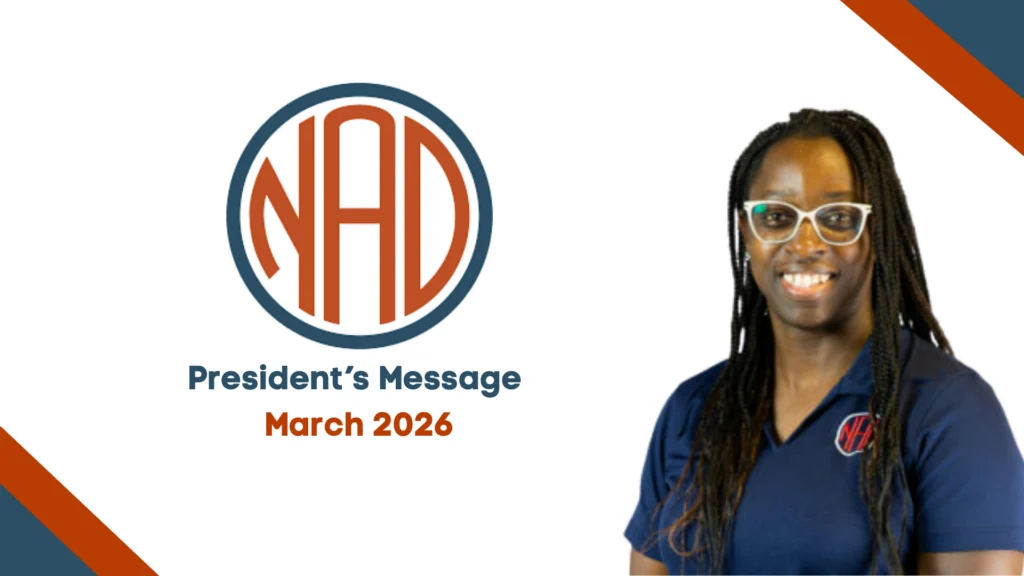
President Stephanie of the NAD has emphasized that the success of the 2026 conference is contingent upon the active participation of the membership. "You matter. Your experiences shape our work. And your engagement strengthens our movement," she stated in a recent address to the community. This sentiment underscores the organization’s commitment to a democratic process, where the direction of the NAD is informed by the lived experiences of the people it serves.
For those looking to participate, the NAD has established a dedicated portal at www.nad.org/sf26. This site serves as the authoritative source for deadlines, volunteer opportunities, and conference registration details. The association has also provided a dedicated contact channel for inquiries, ensuring that community members have direct access to the logistical team managing the event.
Looking Toward the Future
As the NAD prepares for its 2026 gathering, the focus remains on "collaboration, accessibility, and community pride." In an era characterized by rapid technological advancement and shifting policy landscapes, the ability of the Deaf community to coalesce around a central, unifying event is more important than ever.
The 2026 conference is positioned to be more than a meeting; it is an exercise in collective resilience. By aligning the efforts of diverse stakeholders—from government offices to local service agencies—the NAD is setting the stage for a conference that addresses the fundamental rights of the community while celebrating its rich cultural heritage. As the planning continues to evolve, the association remains committed to the principle that an inclusive, well-informed, and engaged community is the most effective tool for driving systemic progress.